Heat Pump Warranties Explained: Registration, Parts vs. Labor, and What Voids Coverage
A 10-year heat pump warranty usually means 10 years of parts, if you register in time. Here's how registration, parts vs. labor, exclusions and claims actually work, with examples from major brands.

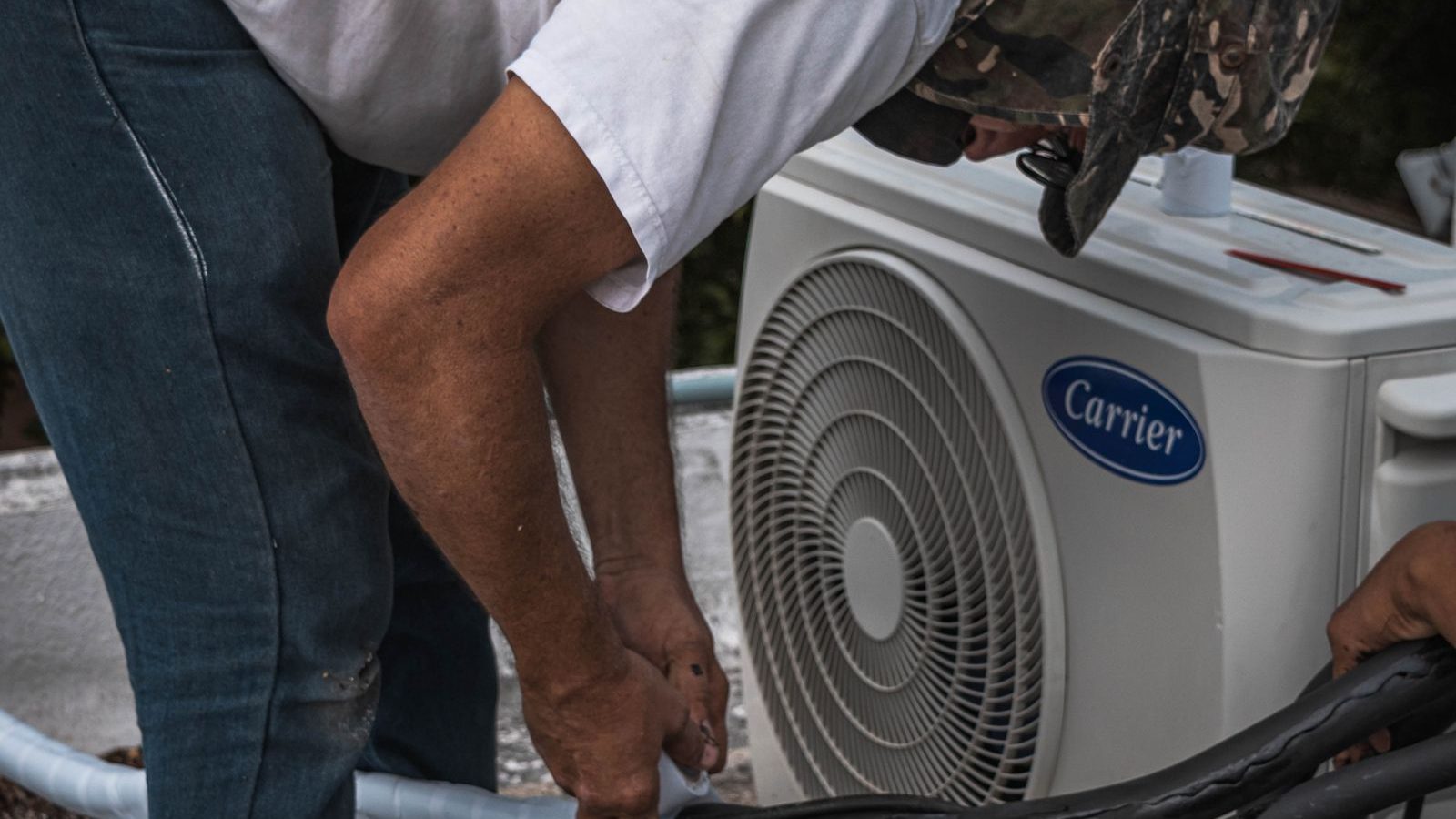
A 10-year warranty usually means 10 years of parts, if you register in time
Heat pump warranties sound generous on the brochure. In practice, the long coverage is usually for parts only, it often depends on registering the equipment within 60 or 90 days, and labor is a separate question. None of that is hidden, but it’s easy to miss until something breaks. Here’s how to read your warranty and protect it.
Most heat pump manufacturer warranties cover parts that fail from a manufacturing defect, often for 10 years if you register the equipment on time and about 5 years if you don’t. Labor is usually not covered by the manufacturer’s standard warranty, so it comes from your installer’s workmanship guarantee or an extended plan.
Register within the deadline, keep your installation and maintenance records, and ask your installer in writing what labor coverage they provide. 💡
When you’re comparing heat pump quotes, the warranty often looks like a tie-breaker. One brand says 10 years, another says 12 on the compressor, a third offers “lifetime” something. It’s natural to assume the longest number wins.
But warranty numbers only tell part of the story. What matters is what is covered, for how long, on what conditions, and who pays the technician to replace the part. A 10-year parts warranty doesn’t help much if the compressor fails in year 7 and you’re facing a big labor bill, or if coverage dropped to 5 years because nobody registered the unit.
This guide explains the different types of heat pump warranty, how registration works for some major brands, what commonly voids or limits coverage, and how to make a claim.
What’s in this guide
- The four kinds of heat pump coverage
- Registration: the step that doubles your coverage
- Parts vs. labor: the gap most people miss
- What warranties usually don’t cover
- What can void or limit a warranty
- How a warranty claim actually works
- Comparing warranties when you buy
- 6 mistakes that cost people coverage
- Frequently asked questions
- Your final checklist
Alt text: “Homeowner photographing a heat pump nameplate to register the warranty”
The four kinds of heat pump coverage
When people say “the warranty,” they usually mean several different things at once. It helps to separate them.
| Coverage | Who backs it | What it covers | Typical length |
|---|---|---|---|
| Manufacturer limited warranty | The equipment maker | Parts that fail from a manufacturing defect | Often ~5 years base, ~10 years registered |
| Installer workmanship warranty | Your contractor | Problems caused by the installation, and often labor | Varies widely; often 1–2 years, sometimes much longer |
| Extended warranty or labor plan | Manufacturer, contractor or third party | Labor, sometimes parts, beyond the standard terms | Varies; often an extra cost |
| Home warranty plan | A home warranty company | Repairs to many home systems, subject to its own limits | Annual contract |
Some brands also offer longer coverage on specific components, most often the compressor, on certain product lines. Our Trane XV20i review, for example, covers a model marketed with 12-year compressor coverage. Always check which components get the longer term and whether it’s conditional on registration.
Manufacturers publish the full limited warranty for each product line. It’s usually a few pages, and it’s the version that counts when you make a claim.
Home warranty plans are service contracts from a separate company, with their own caps, exclusions and approved technicians. They don’t replace the manufacturer’s warranty, and the two can overlap or conflict. Read the fine print before paying for one.
Registration: the step that doubles your coverage
This is the most important thing in this guide. Many manufacturers offer a short “base” warranty automatically and a much longer one only if you register the equipment within a set number of days after installation.
Here’s how that looks for a few major brands, based on their published warranty pages at the time of writing:
| Brand | Registration window | If registered on time | If not registered |
|---|---|---|---|
| Carrier | 90 days | Choice of 10-year parts, or 5-year parts + 3-year labor (if the dealer participates) | Standard 5-year parts |
| Trane | 60 days | Registered limited warranty, typically 10 years (parts) | Base limited warranty, typically 5 years (parts) |
| American Standard | 60 days | Extended coverage, typically 10 years for most products | Base limited warranty |
Carrier also notes that in places where warranty benefits can’t legally depend on registration, including California and Quebec, owners automatically get 10-year parts coverage, with an option to switch to the labor option within 90 days. Other brands have their own rules, so check your equipment’s warranty document.
A ducted system usually has an outdoor unit and an indoor unit, each with its own serial number. Make sure both are registered, not just the one outside.
Who registers? Sometimes the installer does it for you. Sometimes it’s left to you. Don’t assume. Ask the installer on the day, and if they say they’ve done it, ask for the confirmation. You can usually check registration status on the manufacturer’s website using the serial number.
For brands that tie the long warranty to registration, missing the deadline can mean dropping from about 10 years of parts coverage to about 5. It’s a two-minute online form. Do it the week the system is installed.
Parts vs. labor: the gap most people miss
Here’s what surprises a lot of homeowners. A manufacturer’s standard limited warranty typically covers the part, not the cost of the technician’s time to diagnose the problem, remove the old part and install the new one. Trane’s warranty page, for example, states that labor is not covered under its base or registered limited warranties, and is only included on select optional extended warranty plans.
For a small part like a capacitor, labor might be most of the bill. For a big job like a compressor replacement, labor, refrigerant recovery and recharge can add up to a substantial amount even if the compressor itself is free under warranty.
Where labor coverage can come from:
- Your installer’s workmanship warranty. Many contractors cover labor for a year or two. Some offer much longer labor guarantees, especially on premium installs. Get it in writing.
- A manufacturer labor option. Carrier’s “Consumer Choice” program, for example, lets you choose 5 years of parts plus 3 years of labor instead of 10 years of parts only, but only if your dealer participates.
- An extended labor plan. Sold by manufacturers, contractors or third parties, at extra cost. Compare what’s actually covered, the deductible or trip fee, and who does the repairs.
“Ten-year warranty” usually means ten years of parts. Ask the follow-up question every time: who pays the technician?
— The question that saves the biggest surprises
What warranties usually don’t cover
Every warranty document has an exclusions section, and it’s worth reading. Common exclusions include:
Power surges and lightning are common exclusions. Some homeowners add a surge protector for the outdoor unit. Ask your electrician whether it makes sense for your home.
- Labor, as covered above, on most standard warranties
- Damage not caused by a manufacturing defect. Trane’s page puts it plainly: parts that break for any reason other than a manufacturer defect aren’t covered under any warranty.
- Weather, flooding, power surges and lightning
- Damage from improper installation, which becomes a question for the installer
- Lack of maintenance, such as failures caused by clogged filters or neglected coils
- Refrigerant, filters and routine service items, depending on the brand
- Diagnostic fees and trip charges
What can void or limit a warranty
Warranties are rarely “voided” in one dramatic moment. More often, a claim gets denied, or coverage turns out shorter than expected, because a condition wasn’t met. Watch out for:
- Not registering on time, which can shorten coverage on brands that require it
- Installation by someone who isn’t a licensed professional. Many conventional heat pump warranties expect licensed installation. DIY and handyman installs can put coverage at risk. The exception is equipment specifically designed and warranted for owner installation. Our MRCOOL DIY review covers one of those, and even then, read the terms.
- No maintenance records, if a failure looks like it was caused by neglect
- Unauthorized repairs or modifications
- Moving the equipment to a different location or home, on some warranties
- Selling the house without transferring the warranty, on brands that require a transfer. Trane, for example, allows transfer of eligible registered products within 90 days of the home sale, for a fee.
Keep a record of every service visit and filter change, even a note with dates. If a claim is ever questioned, proof that the system was maintained makes a big difference. Our maintenance checklist covers what regular service should include.
Alt text: “Technician giving a homeowner a heat pump maintenance record for warranty purposes”
How a warranty claim actually works
Homeowners usually don’t file warranty claims with the manufacturer directly. The process typically runs through your contractor.
Call your installer first
They know the system, and many manufacturers process warranty parts through their dealers and distributors. If your original installer is gone, the manufacturer can usually point you to a local dealer.
A technician diagnoses the failure
Expect to pay a diagnostic fee unless you have labor coverage.
The dealer checks warranty status
Using your serial number, they confirm registration and coverage dates.
The part is ordered under warranty
The covered part comes from the manufacturer through the distributor. Delays happen, especially for less common parts.
The repair is completed and billed
You pay for anything not covered, usually labor, refrigerant and any non-warranty parts, unless another plan covers them.
Before approving a big repair on an older system, especially a compressor, compare the out-of-pocket cost with replacement. Our guide to how long heat pumps last walks through the repair-or-replace math.
A written diagnosis with the failed part number and the equipment serial number makes warranty processing smoother, and gives you a record if the same part fails again.
Comparing warranties when you buy
When warranties differ between quotes, ask each contractor the same questions:
- How long is parts coverage, and is it conditional on registration?
- Who registers the equipment, you or me?
- Is there longer coverage on the compressor or specific parts?
- What labor coverage do you provide, for how long, and is it in writing?
- Is a manufacturer labor option available through you?
- Is the warranty transferable if I sell the house?
- What maintenance do you require to keep coverage?
A slightly shorter manufacturer warranty from a contractor with a strong labor guarantee and a good local reputation can be worth more than a longer warranty with no labor coverage from someone you’ll never see again. For how major brands compare more broadly, see our Carrier vs. Trane comparison and our best heat pumps of 2026.
6 mistakes that cost people coverage
❌ Mistake 1: Assuming the installer registered it
Many do. Some don’t. You find out when something breaks.
❌ Mistake 2: Thinking “10-year warranty” includes labor
Standard manufacturer warranties usually cover parts only.
❌ Mistake 3: Throwing away the paperwork
Without the install date, invoice and serial numbers, claims get complicated.
❌ Mistake 4: Skipping maintenance
Neglect-related failures, like a compressor stressed by a dirty coil, can lead to denied claims.
❌ Mistake 5: DIY-installing equipment not designed for it
Conventional split systems usually expect licensed installation.
❌ Mistake 6: Forgetting to transfer it when selling
Some warranties require a transfer within a set time after the sale.
Frequently asked questions
How long is a typical heat pump warranty?
Many major brands offer around 10 years of parts coverage when the equipment is registered on time, and around 5 years if it isn’t. Some product lines have longer coverage on the compressor. Labor is usually separate.
Do I have to register my heat pump warranty?
For many brands, yes, to get the longer coverage. Carrier’s window is 90 days, and Trane’s and American Standard’s is 60 days, according to their warranty pages at the time of writing. Some jurisdictions, such as California, don’t allow coverage to depend on registration.
Does a heat pump warranty cover labor?
Usually not under the standard manufacturer warranty. Labor typically comes from your installer’s workmanship warranty, a manufacturer labor option or an extended plan. Ask each contractor what labor coverage they provide before you buy.
What voids a heat pump warranty?
Common problems include not registering on time, installation by someone who isn’t a licensed professional, lack of maintenance, unauthorized repairs and damage not caused by a manufacturing defect. Read your specific warranty document for its conditions.
Is my heat pump warranty transferable if I sell my house?
Often, but with conditions. Trane, for example, allows eligible registered products to be transferred within 90 days of the sale for a fee. Check your brand’s transfer rules when you list the house.
Should I buy an extended warranty?
It depends on what it covers, especially labor, and who backs it. Compare it with the manufacturer’s standard terms and your installer’s labor guarantee. A manufacturer-backed labor plan through a good local contractor is usually more useful than a generic third-party plan.
Your final checklist
✅ Your warranty checklist
- Find your registration deadline — often 60 or 90 days
- Register the equipment — or get confirmation that the installer did
- Photograph both nameplates — outdoor and indoor units
- Get labor terms in writing — from your installer
- Ask about a manufacturer labor option — before the deadline passes
- Read the exclusions — know what isn’t covered
- Keep a heat pump file — invoice, AHRI certificate, registration, service records
- Maintain the system — and save every receipt
- Call the installer first for claims — have the serial number ready
- Check transfer rules — when you sell the house
Buying a new system? Our installation guide covers the handover paperwork to ask for, and our guide to claiming a heat pump rebate uses many of the same documents.
Sources

Heat Pump Reviews Editorial Team
Our editors research heat pumps full time: manufacturer specifications, AHRI and ENERGY STAR listings, published cold-climate performance data, warranty terms, installer feedback and owner reviews. We do not accept payment for placement, and every rating follows our published methodology.