Bosch IDS 2.0 Heat Pump Review: Flagship Comfort at a Mid-Tier Price
Bosch's IDS 2.0 delivers up to 20.5 SEER2 and quiet inverter operation for thousands less than a Carrier or Trane flagship. The IDS Ultra variant adds ducted cold-climate heating to about -13°F.

Editor’s verdict: The best value in ducted inverter heat pumps: flagship-class comfort and quiet for mid-tier money, provided you can find an experienced dealer.
The Bosch IDS 2.0 is the quiet value pick in ducted heat pumps. Bosch rates the inverter ducted split platform at up to 20.5 SEER2 with sound as low as about 56 dB(A), and it typically installs for several thousand dollars less than a Carrier, Trane or Lennox flagship with comparable ratings. The IDS Ultra variant extends heating operation to roughly -13°F, which brings genuine cold-climate capability into the same value proposition.
This review is based on manufacturer specifications, distributor data, AHRI and ENERGY STAR listings and owner feedback. We have not installed or measured the equipment.
Overview
IDS stands for Inverter Ducted Split — an outdoor inverter condenser matched to a Bosch air handler or to an existing furnace and coil. The 2.0 generation, sold with BOVA-series outdoor units, is the volume product, and Bosch markets the current connected version as IDS Premium Connected.
Bosch’s positioning is unusual and worth understanding. The company does not run a tiered good-better-best lineup the way the American brands do. There is essentially one strong inverter platform, sold at a price that undercuts the competition’s flagship tier, through a smaller dealer network.
| Variant | Rated efficiency | Cold-weather capability | Best for |
|---|---|---|---|
| IDS 2.0 / IDS Premium Connected | Up to 20.5 SEER2, roughly 9.5–10.5 HSPF2 | Good through the 20s°F | Mild to moderate climates, ducted retrofit |
| IDS Ultra | Comparable SEER2, stronger low-temp output | Heating operation to roughly -13°F | Cold climates without going ductless |
Both use a communicating inverter compressor and a variable-speed indoor blower. The IDS Ultra is the model that took Bosch into the U.S. Department of Energy’s Residential Cold Climate Heat Pump Technology Challenge conversation, and it is the version to specify if your winters are serious.
Efficiency
Manufacturer ratings for the IDS 2.0 platform reach up to 20.5 SEER2, with EER around 14 and HSPF2 typically between 9.5 and 10.5 depending on the matched indoor unit. Distributor listings for the R-454B IDS Premium Connected 3-ton show 20.0 SEER2 and 9.5 HSPF2 as a representative real-world pairing.
That puts the IDS 2.0 level with a Trane XV20i on cooling efficiency and ahead of it on heating, at a substantially lower installed cost. Against Carrier’s Infinity and the Lennox SL25XPV it gives up two to three SEER2 points — a difference that shows up in marketing far more than in a utility bill.
This is the core of the Bosch argument. The efficiency curve flattens sharply above about 18 SEER2, so the incremental annual saving from 20.5 to 23 SEER2 on a typical U.S. cooling load is small, while the price gap is often $4,000 or more. Our breakdown of the most efficient heat pumps and the explainer on SEER2, HSPF2 and COP both go through the arithmetic.
Bosch systems are frequently matched to an existing furnace and coil in a dual-fuel retrofit rather than to a new Bosch air handler. That can cut several thousand dollars off the install, but it also changes the AHRI-rated efficiency. Get the rating for the actual pairing, not the best pairing in the catalog.
Heating performance
Standard IDS 2.0 is a solid moderate-climate heater. The inverter compressor ramps toward full output as it gets colder, holding good efficiency through the 30s and into the 20s°F before capacity starts to taper and auxiliary heat engages.
IDS Ultra is the more interesting product. Bosch specifies heating operation down to roughly -13°F — the same floor Mitsubishi quotes for its Hyper-Heating line — from a fully ducted system that uses your existing ductwork. For a homeowner in New England, the upper Midwest or the Mountain West who does not want wall-mounted heads in every room, that is a short list of options, and Bosch is on it at a lower price than the alternatives.
Be precise with your contractor about which variant is on the quote. IDS 2.0 and IDS Ultra look similar on a proposal and behave very differently in January. For a wider view of the category, see the best heat pumps for cold climates.
Cooling performance
Cooling is strong and, more importantly, consistent. The inverter runs long, low-speed cycles that hold temperature closely and dehumidify continuously, which is the practical comfort benefit most people notice when they move off a single-stage condenser.
Bosch’s variable-speed indoor blower is part of the package rather than an upsell, which matters: a lot of the humidity control credited to inverter compressors actually comes from the indoor fan being able to slow down. Systems that pair a modulating outdoor unit with a fixed-speed blower give up a good share of that benefit.
Noise
Sound levels as low as roughly 56 dB(A) put the IDS 2.0 among the quieter ducted systems on the market — not quite matching the 51 dB(A) Carrier claims for the Infinity or the 58 dB(A) rating Lennox publishes at a different operating point, but well below the low-60s figures typical of mainstream equipment.
Quiet operation is one of the most consistently praised aspects in owner feedback, and it comes from the same source as the efficiency: the unit spends the overwhelming majority of its running hours at partial speed, where both the compressor and the fan are far quieter than at full load. Our quietest heat pumps roundup puts the figures side by side.
Features and controls
IDS Premium Connected adds Wi-Fi connectivity, app control and remote diagnostics through Bosch’s Connected Control thermostat. The feature set is competent rather than expansive: you get scheduling, remote access, humidity control and fault reporting, without the eight-zone damper management and deep integration that Carrier and Lennox build into their flagship ecosystems.
There is a compensating advantage. The Bosch platform is less rigidly proprietary than the American flagships. It works well in retrofit configurations with existing indoor equipment, and it is more forgiving about control choices, which lowers both the install cost and the cost of a future repair.
If you want granular room-by-room zoning, this is not the platform for it. If you want a straightforward, quiet, efficient system that heats and cools the house, it is a good fit.
Not sure which model fits your home? Start with our ranked picks for 2026.
Estimate Your Installed CostWarranty and reliability
Bosch offers a 10-year parts limited warranty on residential installations with registration, plus a 10-year compressor term. That is competitive with Carrier and Lennox and one step behind Trane’s 12-year compressor coverage and Daikin’s 12-year parts coverage. Labor is not included.
Reliability reports are broadly positive, with the usual inverter-system caveat: commissioning quality matters more than it does on a single-stage unit. The most common complaints are not about the equipment but about the network — Bosch’s residential dealer base in the U.S. is thinner than Carrier’s or Trane’s, and in some markets finding a contractor who is genuinely fluent with the platform takes work.
That is the real risk with Bosch. The hardware is good and the price is right, but if the nearest experienced installer is an hour away, a mid-winter service call becomes a scheduling problem. Ask how many IDS systems a contractor has commissioned before you sign.
Bosch has an R-454B version of the IDS Premium Connected in the catalog, in line with the industry transition away from R-410A. Confirm which refrigerant generation your quote covers; some R-410A stock remained in distribution through the changeover, and the 2025 R-454B supply squeeze pushed prices and lead times up across every adopting brand.
Price and value
Typical installed prices in 2026, before incentives, with serviceable existing ductwork:
- IDS 2.0, 2–3 ton, with matched Bosch air handler: roughly $9,500–$14,000
- IDS 2.0, 4–5 ton: roughly $11,500–$16,500
- IDS Ultra cold-climate configuration: add roughly $1,500–$3,500
- Dual-fuel retrofit using an existing furnace and coil: roughly $8,000–$12,500
Against a comparably rated Trane XV20i at $13,000 to $21,000, that is a saving of roughly $3,000 to $5,000 for the same 20.5 SEER2 rating. That is the whole case for Bosch, and it is a strong one. Model it for your own utility rates using the cost calculator and check the drivers in our 2026 cost guide.
On incentives: the federal 25C tax credit, 30% up to $2,000 for heat pumps, was terminated for property placed in service after December 31, 2025. Do not budget for it on a 2026 install. State and utility programs are now the meaningful money, and the IDS platform clears most efficiency thresholds those programs set — see what replaced the federal credit for where to look and how to verify.
Who should buy it
The IDS 2.0 is the right system for a ducted home that wants inverter comfort and quiet operation without paying flagship prices — which describes a large share of American homeowners. It is particularly good for dual-fuel retrofits where a working furnace stays in place, and for anyone whose priority list reads quiet, efficient, affordable, in that order.
IDS Ultra extends that to cold climates, and it is one of the few fully ducted systems that will heat to roughly -13°F without a ductless component.
It is the wrong system if you need sophisticated multi-zone control, if you want the absolute highest efficiency for a utility program with a high floor, or if your area has no experienced Bosch dealer. That last point is not a small one.
Alternatives
Daikin FIT is the closest competitor on price and philosophy. It rates slightly lower at around 17.5 to 18 SEER2 but carries a 12-year registered parts warranty and a far more compact cabinet.
Trane XV20i matches the 20.5 SEER2 rating with a longer compressor warranty and a much deeper dealer network, for several thousand dollars more.
Mitsubishi Hyper-Heating is the step up if cold-climate performance is the deciding factor and you are open to a ducted-and-ductless hybrid rather than a purely ducted system.
Our recommendation
Bosch IDS 2.0 is the system we would recommend to most ducted homeowners who are not chasing a spec sheet. It delivers the comfort and quiet of a flagship inverter system at a mid-tier price, and the money you save is better spent on duct sealing and a careful commissioning than on two more SEER2 points.
If you are in a cold climate, specify IDS Ultra rather than the standard unit — the difference below 20°F is the difference between a heat pump and an expensive backup-heat controller. And before you commit, ask the contractor how many Bosch inverter systems they have installed. On this platform the dealer is the variable that matters most.
Not sure which model fits your home? Start with our ranked picks for 2026.
See Our Top PickPros and cons
What we like
- Up to 20.5 SEER2 for roughly $3,000–$5,000 less installed than similarly rated flagships
- Sound as low as about 56 dB(A), quieter than most mainstream ducted systems
- IDS Ultra heats to roughly -13°F using existing ductwork, with no ductless heads needed
- Variable-speed indoor blower included, which is where much of the humidity control comes from
- Less proprietary than the American flagships, so retrofits and future repairs cost less
What to watch
- U.S. residential dealer network is thinner than Carrier's or Trane's
- 10-year warranty trails Trane's 12-year compressor and Daikin's 12-year parts
- Control ecosystem lacks the deep multi-zone damper management of Carrier and Lennox
- Standard IDS 2.0 loses meaningful capacity below the 20s°F; cold climates need IDS Ultra
Key specifications
| Heating capacity | roughly 24,000–60,000 BTU/h (2–5 tons) |
|---|---|
| SEER2 | up to 20.5 |
| HSPF2 | roughly 9.5–10.5 depending on matched indoor unit |
| EER | up to about 14 |
| Min. operating temp | IDS Ultra rated for heating to roughly -13°F; standard IDS 2.0 tapers below the 20s°F |
| Noise (outdoor) | as low as about 56 dB(A) |
| Refrigerant | R-454B version in current catalog; transitional R-410A stock still appears on some quotes |
| Warranty | 10 yr parts limited and 10 yr compressor with registration; labor not included |
| Typical installed price | $9,500–$14,000 for 2–3 tons; $11,500–$16,500 for 4–5 tons; $8,000–$12,500 for a dual-fuel retrofit (2026, before incentives) |
Ratings vary by capacity and matched indoor unit. Confirm the exact AHRI-matched combination your contractor quotes.
Alternatives worth comparing
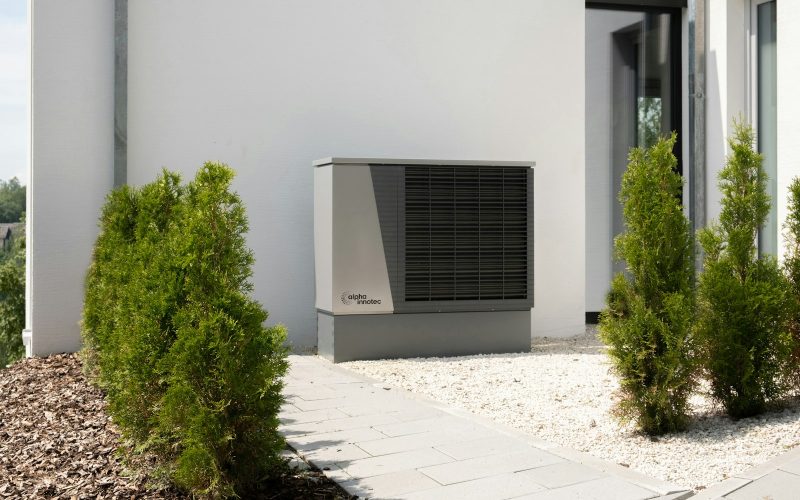
Daikin FIT (DZ17VSA / DH7VS series)
Best for: Ducted homes in mild to moderate climates with limited outdoor space
The best-value inverter heat pump for a ducted house with a tight place to put the outdoor unit, backed by the strongest…
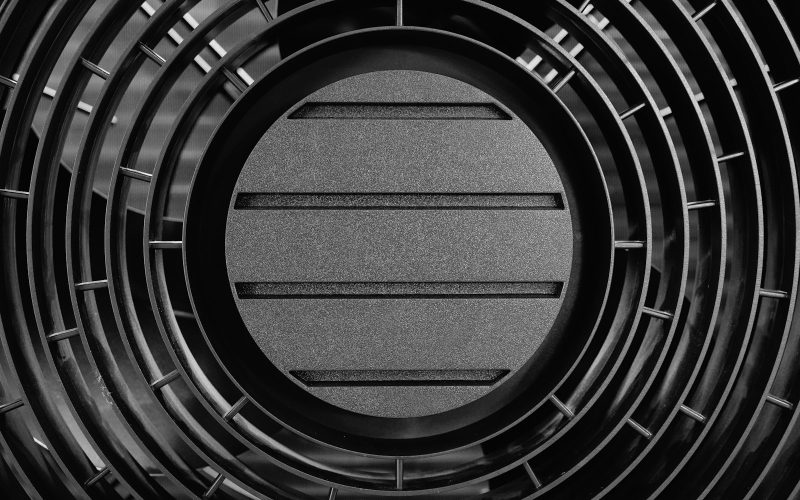
XV20i TruComfort Variable Speed Heat Pump
Best for: Ducted homes prioritizing longevity, and dual-fuel systems in cold climates
The ducted heat pump to buy when durability and warranty matter more than the last two efficiency points.
Hyper-Heating H2i / H2i plus (MSZ-FS, MXZ, SVZ/PVA, intelli-HEAT)
Best for: Cold climates and homes without complete ductwork
The most dependable cold-climate heat pump platform sold in the U.S., provided you buy it through a Diamond Contractor and accept a…
Frequently asked questions
The IDS 2.0 platform is manufacturer-rated at up to 20.5 SEER2, with EER around 14 and HSPF2 typically between 9.5 and 10.5 depending on the matched indoor unit. A representative R-454B IDS Premium Connected 3-ton pairing is listed at 20.0 SEER2 and 9.5 HSPF2. Ratings apply to specific AHRI-matched combinations, so ask for the rating on the pairing you are buying.
IDS 2.0 is the standard inverter ducted split, good through the 20s°F before capacity tapers and auxiliary heat engages. IDS Ultra is the cold-climate variant, specified for heating operation down to roughly -13°F. They look similar on a proposal and behave very differently in deep winter, so confirm which one is quoted.
Bosch cites sound levels as low as about 56 dB(A), which is quieter than most mainstream ducted systems that sit in the low 60s at full load. Because the compressor and outdoor fan modulate, the unit runs well below that for the large majority of its operating hours, and quiet operation is one of the most consistently praised aspects in owner feedback.
Bosch provides a 10-year parts limited warranty on residential installations with registration, plus a 10-year compressor term. That matches Carrier and Lennox but is one step behind Trane's 12-year compressor coverage and Daikin's 12-year parts coverage. Labor is not included unless your contractor sells a separate plan.
Yes. Bosch lists an R-454B version of the IDS Premium Connected in its current catalog, in line with the industry move away from R-410A. Some R-410A stock remained in distribution through the changeover, so confirm which refrigerant generation your quote covers. R-454B supply was tight through 2025, raising prices and lead times across every adopting brand.
With serviceable existing ductwork, expect roughly $9,500–$14,000 for a 2–3 ton system with a matched Bosch air handler and $11,500–$16,500 for 4–5 tons (2026, before incentives). A dual-fuel retrofit that keeps an existing furnace and coil can run $8,000–$12,500. IDS Ultra adds about $1,500–$3,500.
Sources
- Bosch Home Comfort — Inverter Ducted Split (IDS) Heat Pump
- Bosch Home Comfort — IDS Premium Connected (R-454B Version)
- Bosch — BOVA 2.0 Split System Heat Pump Condensing Units, Up to 20.5 SEER
- ACHR News — Cold Climate Heat Pumps Up to the 'Challenge'
- ENERGY STAR — Air-Source Heat Pumps Product Finder

Heat Pump Reviews Editorial Team
Our editors research heat pumps full time: manufacturer specifications, AHRI and ENERGY STAR listings, published cold-climate performance data, warranty terms, installer feedback and owner reviews. We do not accept payment for placement, and every rating follows our published methodology.