Heat Pump Maintenance Checklist: Seasonal Tasks, Filters, Coils, and What to Leave to a Pro
The seasonal tasks that keep a heat pump efficient and out of trouble: filters, coil rinsing, clearances, winter ice checks, annual service, and the jobs to leave to a technician.

Heat pump maintenance comes down to a short list: keep the filter clean, keep the outdoor unit clear and its coil rinsed, watch for ice and odd noises in winter, and have a technician service the system once a year. The U.S. Department of Energy estimates that a neglected heat pump can use 10% to 25% more energy than a well-maintained one, and most of that waste traces back to a dirty filter or a blocked coil that you can fix yourself in ten minutes.
Seasonal maintenance checklist
| Task | When | DIY or pro | Notes |
|---|---|---|---|
| Check air filter; replace or clean as needed | Monthly check; replace every 1–3 months | DIY | More often with pets, dust, or during heavy use |
| Clean mini-split indoor head filters | Every 2–4 weeks in use | DIY | Slide out, rinse, air-dry, reinstall |
| Clear leaves, grass, and debris from outdoor unit; maintain 18–24 in. clearance | Monthly and after storms | DIY | Trim shrubs; keep dryer vents from blowing on the coil |
| Rinse outdoor coil with a garden hose | Spring and fall | DIY | Power off at disconnect; gentle spray from inside out; no pressure washer |
| Check and flush condensate drain | Spring, before cooling season | DIY | Pour a cup of water or diluted vinegar through the drain line |
| Check thermostat settings and backup-heat lockout | Fall | DIY | Confirm schedule; avoid large nightly setbacks with a heat pump |
| Clear snow and ice; keep drip line and stand clear | Winter, as needed | DIY | Never chip ice off the coil; let defrost do its job |
| Inspect supply and return vents; keep them open and unblocked | Twice a year | DIY | Closing vents raises duct pressure and hurts efficiency |
| Professional tune-up: refrigerant, electrical, airflow, defrost, controls | Annually (fall preferred) | Pro | Typically $150–$350; often bundled in a service plan |
| Duct inspection and sealing; blower wheel and indoor coil cleaning | Every 3–5 years or as flagged | Pro | Recommended after renovations or if rooms are uneven |
Filters: the ten-minute task that matters most
Every bit of air your system conditions passes through the filter. When it clogs, the blower works harder, airflow across the indoor coil drops, and efficiency falls; in cooling mode a badly starved coil can freeze solid. Check the filter monthly by holding it up to a light. If you cannot see through it, replace it. Typical replacement intervals are one to three months for standard 1-inch filters and six to twelve months for 4- or 5-inch media filters, sooner with pets or construction dust.
Use the filter type your installer specified. High-MERV filters capture more particles but restrict airflow more; a MERV 8 to 11 filter suits most systems, and going higher without checking static pressure can do more harm than good. Ductless mini-split heads have washable mesh filters behind the front panel; rinse them every few weeks during heavy use.
Outdoor unit: clearance and coil cleaning
The outdoor coil is the heat exchanger that collects heat in winter and rejects it in summer. Anything that blocks air through it, whether cottonwood fluff, grass clippings, leaves, or a shrub planted too close, raises energy use and stresses the compressor. Keep at least 18 to 24 inches of open space on all sides and 5 feet above, or whatever the manufacturer specifies.
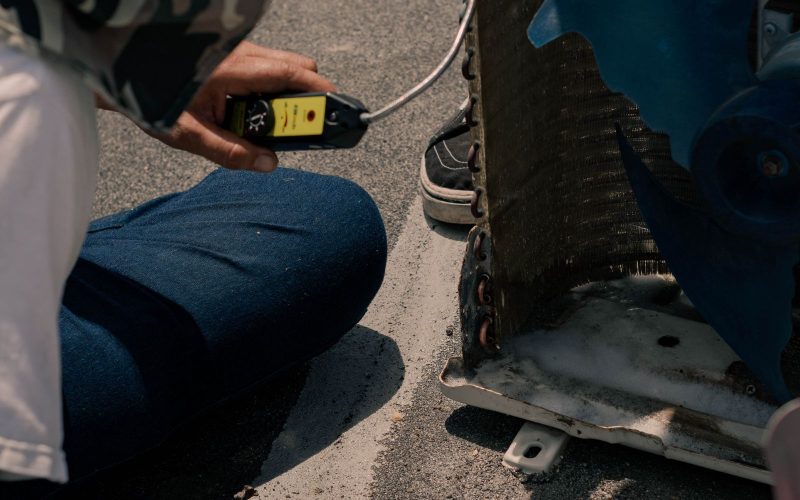
Twice a year, switch off the power at the outdoor disconnect, remove any debris by hand, and rinse the coil fins with a garden hose from the inside out where possible. Do not use a pressure washer; it bends the fins. If the fins are already bent, a fin comb from a hardware store straightens them. Keep dryer vents, lawn mowers, and sprinklers from discharging onto the unit.
Do not cover a heat pump in winter. Unlike a central air conditioner, it runs all season, and a cover blocks the airflow it needs and traps moisture. A small roof or awning that keeps snow and dripping ice off the top while leaving the sides open is fine.
Winter: what defrost looks like and when to worry
In cold, damp weather the outdoor coil frosts over, and the system periodically reverses for a few minutes to melt it. You will see steam, hear a whoosh or a change in fan noise, and may notice a brief pause in warm air. This is normal, as our explainer on how heat pumps work describes. What is not normal:
- Ice that covers the whole coil and does not clear within a few hours.
- Ice on the top of the unit, the fan, or the compressor housing.
- Defrost cycles every few minutes, or the system running in defrost for 15 minutes or more.
- Backup electric heat running constantly, visible as a large jump in your electric bill or an “aux heat” indicator that never goes off.
The usual causes are a blocked drain path (defrost water refreezes under the unit), a unit sitting too low in snow, a failed defrost sensor, or low refrigerant. Clear snow and check the drainage yourself; leave the rest to a technician. In snow country, the unit should sit on a stand 12 to 24 inches above expected snow depth, something to confirm during installation.
Summer: condensate and coil checks
In cooling mode the indoor coil removes moisture that drains through a condensate line. Algae can clog it and back water up into the air handler or the drain pan, which trips a float switch and shuts the system down. Before the cooling season, locate the drain line (a PVC pipe near the air handler) and pour a cup of water or diluted vinegar through the access tee. If water backs up, clear the line with a wet-dry vacuum at the outdoor end. Mini-split heads drain through a small tube in the line-set channel; if a head drips indoors, the drain is blocked.
Not sure which model fits your home? Start with our ranked picks for 2026.
See Our Top PickThermostat habits that save energy
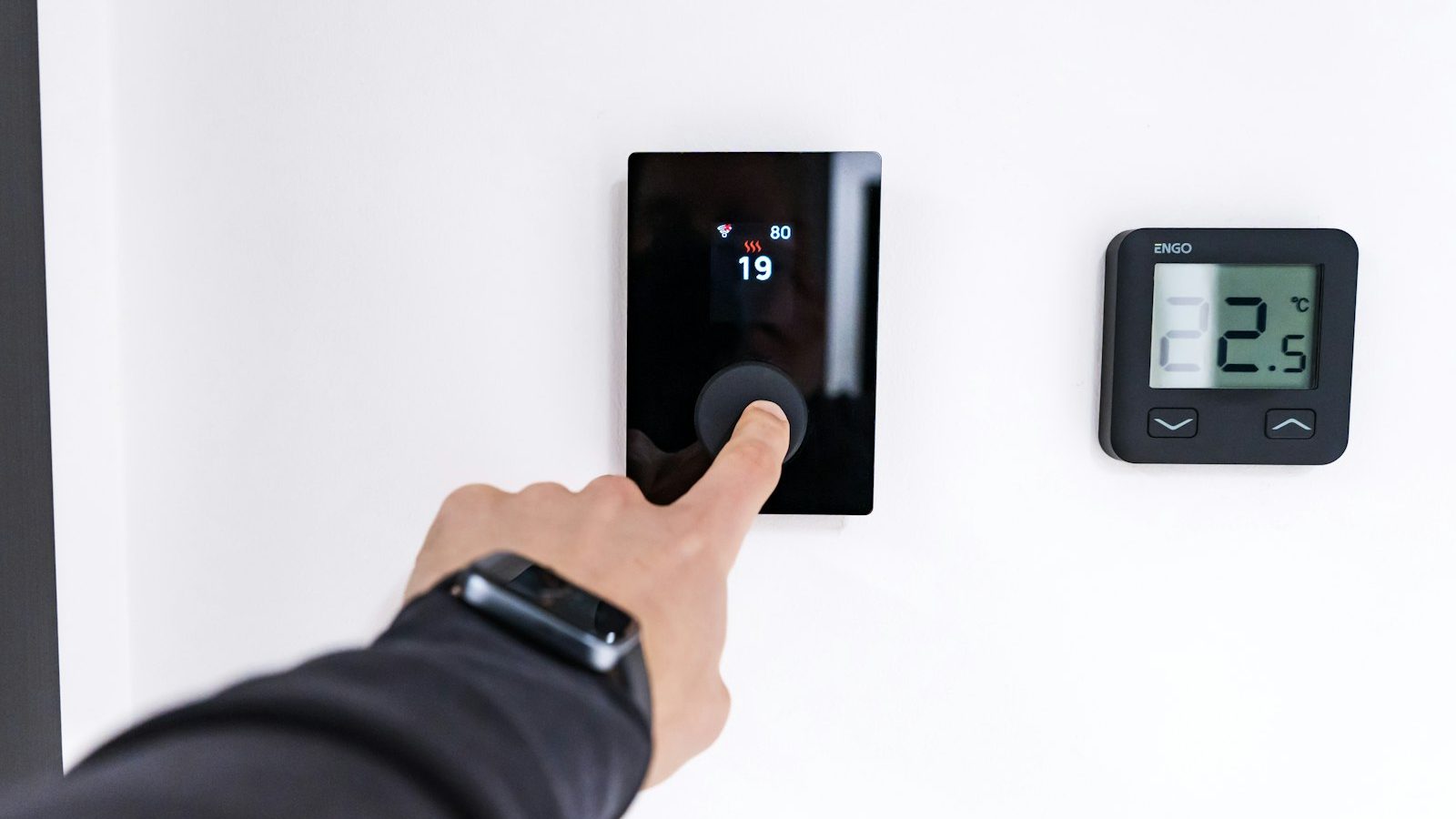
Heat pumps prefer steady operation. A deep nighttime setback that a furnace recovers from in 20 minutes can push a heat pump into running its resistance backup strips for an hour in the morning, wiping out the savings. Keep setbacks modest (2 to 4°F) or use a smart thermostat with heat-pump-aware recovery. Use the “emergency heat” setting only when the heat pump has actually failed; it is pure resistance heat at two to three times the cost. For an explanation of why the backup strips are so expensive, see our guide to efficiency ratings and COP.
What the annual professional service should include
An annual visit, ideally in fall so problems surface before the coldest weeks, should cover the items your own checklist cannot: refrigerant charge verified by superheat and subcooling, leak inspection, electrical connections tightened and capacitor and contactor tested, blower motor and fan checked, static pressure and airflow measured, defrost control and reversing valve operation verified, backup heat staging tested, and the thermostat calibrated. Ask for a written report with measured values rather than a checklist of ticks. Service plans that bundle two visits, priority scheduling, and a parts discount cost roughly $150 to $400 a year and are worth it in cold climates where a mid-January failure is expensive.
What not to do yourself
- Refrigerant. Buying, adding, or recovering refrigerant requires EPA Section 608 certification. Systems built since 2025 use A2L refrigerants (R-454B or R-32) that are mildly flammable and require rated tools, and 2025 supply shortages made R-454B expensive to lose. Our report on the R-454B transition covers what that means for service.
- Electrical. Capacitors hold a charge after power is off, and contactors switch 240 volts. Leave them to a technician.
- Chemical coil cleaning of the indoor coil. Access requires opening the air handler; a technician does this during a tune-up.
- Chipping ice. Fins and refrigerant tubing damage easily. Clear snow around the unit and let the defrost cycle handle the rest.
Sounds and symptoms that mean call for service
Grinding or screeching (bearing failure), loud buzzing at the outdoor unit (contactor or capacitor), repeated clicking without a start (control or electrical fault), and hissing or bubbling (refrigerant leak) all justify a call. So do rooms that are suddenly uneven, a system that runs constantly without reaching setpoint, or a bill that jumps with no change in weather. Our noise guide explains which sounds are normal and how loud a healthy unit should be.
Heat-pump water heaters need care too
A heat-pump water heater has its own air filter over the evaporator, usually a washable mesh on top of the tank, that should be cleaned every few months, plus a condensate drain that can clog. Flush the tank annually and check the anode rod every two to three years, as with any tank. The Rheem ProTerra review covers what its filter alerts look like.
Our recommendation
Put three reminders on your calendar: a monthly filter check, a spring and fall outdoor-coil rinse, and a fall professional tune-up. Those three habits protect efficiency, prevent most winter emergencies, and keep your warranty valid, since manufacturers can deny claims for neglect. If you are still shopping, note that variable-speed models with simple filter access and self-diagnostic controls are the easiest to keep healthy; our best heat pumps of 2026 guide flags them.
Frequently asked questions
Check it monthly and replace it every one to three months for standard 1-inch filters, or every six to twelve months for thick media filters. Homes with pets, smokers, or construction dust need more frequent changes. Mini-split head filters are washable and should be rinsed every two to four weeks during heavy use.
Once a year, ideally in fall before the heating season. Because a heat pump runs year-round, some owners in demanding climates opt for spring and fall visits. The technician should verify refrigerant charge, test electrical components, measure airflow, and check defrost and backup heat operation.
No. A heat pump operates through the winter and needs unobstructed airflow through the outdoor coil. A cover blocks that airflow and traps moisture. A small roof or awning that keeps snow and dripping ice off the top while leaving the sides open is acceptable.
Light frost on the outdoor coil in cold, damp weather is normal, and the unit clears it with periodic defrost cycles that produce steam. Ice covering the whole coil, ice on the fan or compressor, or frost that never clears indicates a problem such as blocked drainage, a failed sensor, or low refrigerant, and needs a technician.
No. Handling refrigerant requires EPA Section 608 certification, and a system that needs refrigerant has a leak that must be found and repaired first. Systems built since 2025 use mildly flammable A2L refrigerants that require rated tools and training.
Typically $150 to $350 for a single visit, or $150 to $400 per year for a service plan that includes two visits, priority scheduling, and parts discounts. Prices vary by region and by whether the visit includes coil cleaning.
Sources

Heat Pump Reviews Editorial Team
Our editors research heat pumps full time: manufacturer specifications, AHRI and ENERGY STAR listings, published cold-climate performance data, warranty terms, installer feedback and owner reviews. We do not accept payment for placement, and every rating follows our published methodology.