Trane XV20i Heat Pump Review: TruComfort Variable Speed and a 12-Year Compressor
Trane's XV20i TruComfort is built to last, with a 12-year compressor warranty and excellent cooling comfort. Rated efficiency trails Carrier and Lennox, and heating efficiency is its weakest number.


Editor’s verdict: The ducted heat pump to buy when durability and warranty matter more than the last two efficiency points.
The Trane XV20i is the brand’s flagship ducted heat pump, marketed as the 20 TruComfort Variable Speed Heat Pump with WeatherGuard. Trane rates it at up to 20.5 SEER2 and 8.7 HSPF2, and its selling point is not the efficiency number — it is the 12-year compressor warranty and a build reputation that has survived decades of contractor scrutiny. If you want a heat pump you can forget about, this is the shortlist.
This review is based on manufacturer specifications, AHRI and ENERGY STAR listings, distributor data and owner feedback. We have not installed or measured the equipment.
Overview
TruComfort is Trane’s variable-speed platform. The compressor, outdoor fan and indoor blower all vary speed together, in increments Trane describes as small as one tenth of one percent, across what the company markets as 750 stages of comfort. The practical effect is the same as any good inverter system: it runs almost continuously at low output instead of cycling.
Trane’s heat pump range steps down in a way that is easy to follow.
| Model | Stage type | Rated efficiency | Positioning |
|---|---|---|---|
| XV20i | Variable speed (TruComfort) | Up to 20.5 SEER2 / 8.7 HSPF2 | Flagship comfort and efficiency |
| XV18 | Variable speed (TruComfort) | Up to roughly 18 SEER2 | Most of the comfort, less money |
| XR17 / XR16 | Two-stage | Roughly 15.5–17 SEER2 | Value tier with useful part-load behavior |
| XR14 / XR13 | Single stage | Roughly 14–15 SEER2 | Budget replacement |
American Standard sells the identical platform under its Platinum line. The hardware is the same; the badge, the dealer network and often the price are not. Ask for both quotes.
WeatherGuard is Trane’s outdoor cabinet package — a steel louvered guard over the coil, a heavy top cover and Trane’s Spine Fin aluminum coil. It is a real durability advantage in hail country and in coastal air, and it is one of the reasons Trane units survive rough treatment.
Efficiency
Trane’s published rating for the XV20i is up to 20.5 SEER2 and 8.7 HSPF2. Some retailer and third-party listings quote higher figures, into the low 20s SEER2 with HSPF2 above 10, for particular AHRI-matched combinations. Treat 20.5 / 8.7 as the number to plan around and ask your contractor for the AHRI certificate on the exact pairing if a higher figure is being used to justify a price.
Against Carrier’s roughly 22 SEER2 Infinity and Lennox’s SL25XPV in the same territory, the XV20i is a step behind on paper. That gap is real but small in dollar terms. The efficiency curve flattens hard above about 18 SEER2, and the difference between 20.5 and 22 SEER2 on a typical U.S. cooling load is usually a couple of dollars a month. Our explainer on SEER2, HSPF2 and COP shows why the top of the scale is oversold.
The HSPF2 figure of 8.7 is the more meaningful weakness. If heating dominates your annual energy use, competing flagships at 10 or above will cost less to run over a winter, and that gap compounds year after year.
HSPF2 is measured against a national average climate profile. In a heating-dominated climate the difference between an 8.7 HSPF2 system and a 10.5 HSPF2 system is larger than the ratings suggest — and it favors the higher number every single winter.
Heating performance
The XV20i is a competent, not exceptional, cold-weather heater. Variable-speed control means it ramps toward full output as temperatures fall rather than sitting at a fixed capacity, so it stays ahead of the load further into the cold than a single-stage unit does. Expect solid, efficient heating through the 30s and into the 20s°F.
Below that, capacity tapers and electric auxiliary heat starts carrying load. In climate zone 5 and colder, Trane dealers overwhelmingly sell the XV20i as half of a dual-fuel system paired with a gas furnace, with the control handling switchover automatically at a balance point you can set. That is a perfectly good strategy — often the cheapest way to heat a cold-climate home — but it is worth naming plainly rather than pretending the heat pump does it all.
If you need a heat pump that holds full capacity at 5°F, look at dedicated cold-climate models instead. Trane does not currently compete at the very top of that category.
Cooling performance
Cooling is where the XV20i is genuinely excellent. Fine-step modulation means the system settles into a low, continuous run that holds indoor temperature almost flat and dehumidifies for hours at a stretch. Owners moving from a single-stage condenser describe the change as the house feeling “less clammy” more often than they describe it as feeling colder — which is exactly the point.
Trane’s Spine Fin coil is a genuine engineering difference rather than marketing. The all-aluminum construction resists formicary corrosion better than the copper-tube, aluminum-fin coils that caused a decade of leak problems industry-wide, and it is easier to clean.
Noise
The XV20i is quiet, but not the quietest in its class. Because the compressor and outdoor fan both modulate, the unit spends most of its life running well below full speed, where it is unobtrusive. At full speed on a design day it is audible in the low 60s dB(A), comparable to competitors and louder than the sub-58 dB(A) figures Lennox publishes for the SL25XPV.
The WeatherGuard cabinet contributes here as well — the heavier construction damps some of the panel resonance that makes cheap condensers buzz. For what does and does not count as a problem noise, see heat pump noise explained.
Features and controls
The XV20i uses ComfortLink II communicating technology, which links the outdoor unit, indoor unit and thermostat over a data bus so the system self-configures and reports faults. Trane Link is the newer connected control platform, adding app access, remote diagnostics and firmware updates.
Like Carrier’s Infinity, this is a closed ecosystem. The XV20i needs a Trane communicating control to modulate properly. You can run it on a conventional thermostat in a degraded mode, but you give up most of what you paid for, and you cannot substitute a third-party smart thermostat without losing the fine-step behavior.
Zoning is supported and works well, for the same reason it works on the Infinity: a compressor that throttles to a low minimum can serve a single small zone without short-cycling.
Not sure which model fits your home? Start with our ranked picks for 2026.
Compare This ModelWarranty and reliability
This is Trane’s strongest card. Registered XV20i systems carry a 12-year compressor limited warranty alongside 10 years on the outdoor coil and internal functional parts. That extra two years on the compressor is not trivial — compressors that fail generally fail in years eight through twelve, precisely the window competitors’ 10-year terms stop covering.
Registration is required, generally within 60 days of installation. Labor is not included in any tier, so ask about a labor plan separately; on a communicating variable-speed system, a service call plus parts labor can run several hundred dollars even under warranty.
Trane’s durability reputation is well earned and reflected in contractor surveys and long-term owner reports. The recurring complaints are about communicating-control setup, not mechanical failure — and about the cost of Trane-specific parts, which run higher than generic equivalents because the platform is proprietary.
Current production is R-454B, in line with the industry-wide move away from R-410A. Supply of R-454B was tight through 2025, which raised prices and lead times across brands; that has eased but not fully normalized.
Price and value
Typical installed prices in 2026, before incentives, with serviceable existing ductwork:
- XV20i, 2–3 ton, with matched air handler: roughly $13,000–$18,000
- XV20i, 4–5 ton: roughly $15,000–$21,000
- XV18 (the value step down): roughly $11,000–$16,000
- Dual-fuel with a new Trane gas furnace: roughly $17,000–$25,000
Trane consistently prices near the top of the market, and its dealers rarely discount heavily. The value case rests on the 12-year compressor term and the expectation of a longer service life rather than on a lower purchase price. Model your own numbers with the heat pump cost calculator, and read the 2026 cost breakdown for what drives the spread between quotes.
On incentives, be clear-eyed: the federal 25C credit of 30% up to $2,000 was terminated for property placed in service after December 31, 2025. A 2026 install does not qualify. State and utility programs — Mass Save, NYSERDA, TECH Clean California, HEAR-funded state rebates and local utility offers — are where the remaining money is, and several set efficiency floors the XV20i clears comfortably. Verify current program status before you sign; see what changed and what to do now.
Who should buy it
Buy the XV20i if longevity and warranty matter more to you than the last two SEER2 points, if you live somewhere with a strong local Trane dealer, or if you are building a dual-fuel system where the heat pump handles the shoulder seasons and a gas furnace covers the deep cold. It is also a sound choice in hail-prone or coastal areas where the WeatherGuard cabinet and Spine Fin coil earn their keep.
Skip it if heating dominates your energy use and you are comparing against a 10-plus HSPF2 competitor, if you want the highest available efficiency, or if the quote is more than about 15% above a comparable Carrier, Lennox or Bosch system with equivalent installation quality.
Alternatives
Carrier Infinity 24 beats it on rated efficiency and matches it on controls, with a 10-year rather than 12-year compressor term. The head-to-head comparison is the fastest way to decide.
Lennox SL25XPV is quieter and more efficient on paper, at similar money, with a 10-year warranty.
Bosch IDS 2.0 delivers up to 20.5 SEER2 — the same rating — for thousands less installed, which makes it the rational choice for anyone who is not specifically buying Trane’s durability reputation.
Our recommendation
The XV20i is the heat pump to buy when you want the equipment decision to be the last one you make for fifteen years. The 12-year compressor warranty, the WeatherGuard cabinet and the Spine Fin coil add up to a system that ages well, and the TruComfort modulation delivers cooling comfort that matches anything on the market.
What it does not do is win on efficiency, particularly in heating. If your winters are long and your electricity is expensive, put the same money into a higher-HSPF2 system. And before you commit at the flagship price, price the XV18 — for most homes it captures nearly all of the comfort benefit for several thousand dollars less.
Not sure which model fits your home? Start with our ranked picks for 2026.
See AlternativesPros and cons
What we like
- 12-year compressor limited warranty, two years longer than most flagship rivals
- TruComfort fine-step modulation delivers outstanding cooling comfort and dehumidification
- WeatherGuard cabinet and all-aluminum Spine Fin coil resist hail and coastal corrosion
- Excellent long-term reliability reputation with a deep dealer and parts network
- American Standard Platinum equivalent gives you a second quote on the same hardware
What to watch
- HSPF2 of 8.7 trails competing flagships rated at 10 or above
- Rated cooling efficiency sits below Carrier and Lennox at similar money
- Proprietary ComfortLink II control; third-party thermostats disable fine-step modulation
- Trane-specific parts cost more than generic equivalents
Key specifications
| Heating capacity | roughly 24,000–60,000 BTU/h (2, 3, 4 and 5 ton models) |
|---|---|
| SEER2 | up to 20.5 |
| HSPF2 | up to 8.7 |
| Min. operating temp | heats below freezing with declining capacity; usually paired dual-fuel in zone 5 and colder |
| Noise (outdoor) | low 60s dB(A) at full speed; markedly quieter at part load |
| Refrigerant | R-454B on current production |
| Warranty | 12 yr compressor, 10 yr outdoor coil and internal parts, with registration; labor not included |
| Typical installed price | $13,000–$18,000 for 2–3 tons; $15,000–$21,000 for 4–5 tons (2026, before incentives) |
Ratings vary by capacity and matched indoor unit. Confirm the exact AHRI-matched combination your contractor quotes.
Alternatives worth comparing
Infinity 24 Heat Pump with Greenspeed Intelligence (25VNA4; 27-series on R-454B)
Best for: Ducted homes wanting maximum efficiency, zoning and humidity control
One of the most efficient and best-controlled ducted heat pumps on the market, priced at the very top and tied to a…
SL25XPV (Dave Lennox Signature Collection)
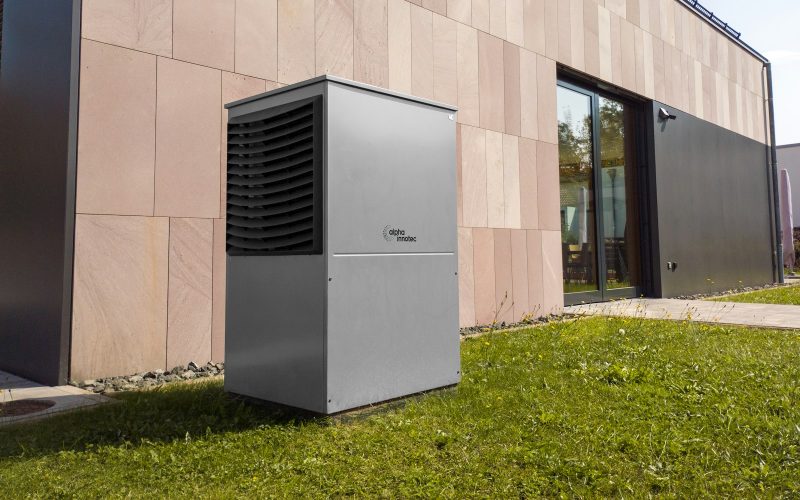
Best for: Tight lots, noise-sensitive sites and heating-dominated climates
The quietest and one of the most efficient ducted heat pumps you can buy, held back by a 10-year warranty and Lennox's…
IDS 2.0 / IDS Premium Connected (BOVA series); IDS Ultra cold-climate variant
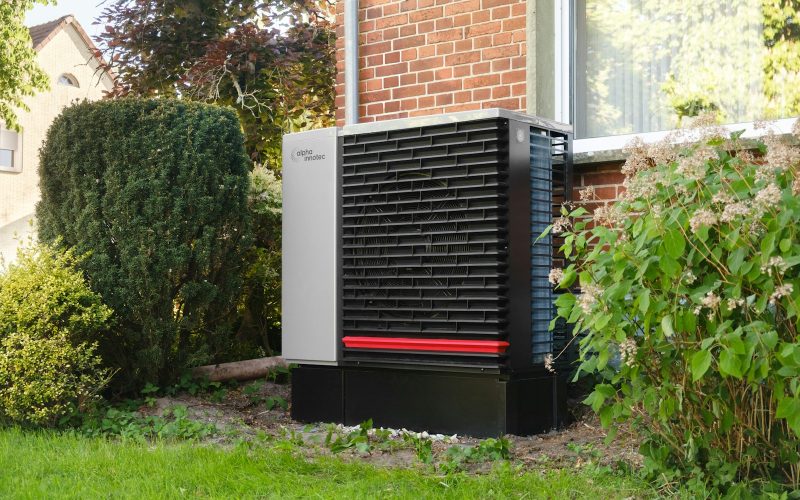
Best for: Ducted homes wanting quiet inverter comfort without flagship pricing
The best value in ducted inverter heat pumps: flagship-class comfort and quiet for mid-tier money, provided you can find an experienced dealer.
Frequently asked questions
Trane's published rating is up to 20.5 SEER2 and 8.7 HSPF2. Some retailer listings quote higher figures into the low 20s SEER2 for particular AHRI-matched combinations, so ask for the AHRI certificate on the exact outdoor and indoor pairing you are being sold. Plan around 20.5 / 8.7 unless documentation says otherwise.
Registered systems carry a 12-year compressor limited warranty plus 10 years on the outdoor coil and internal functional parts. Registration is generally required within 60 days of installation. Labor is not covered in any tier, so ask your contractor about a separate labor plan; a warranty service call on a communicating system can still cost several hundred dollars.
The XV20i and XV18 are both TruComfort variable-speed models; the XV18 rates around 18 SEER2 and costs several thousand dollars less installed while delivering most of the same comfort. The XR series is the value tier: XR17 and XR16 are two-stage at roughly 15.5–17 SEER2, and XR14 and XR13 are single-stage budget replacements.
It is competent through the 30s and into the 20s°F, then capacity tapers and auxiliary heat carries load. In climate zone 5 and colder, Trane dealers typically sell it as part of a dual-fuel system with a gas furnace and an automatic switchover balance point. If you need full heating capacity at 5°F, a dedicated cold-climate platform is the better fit.
Yes, in substance. American Standard's Platinum line is the same platform as Trane's XV series with different badging and a separate dealer network. Quotes for the American Standard equivalent often come in lower for identical hardware, so it is worth requesting both.
Current production is R-454B, the A2L refrigerant that replaced R-410A across U.S. residential equipment in 2025. R-454B supply was tight through 2025, which raised equipment prices and lead times industry-wide. Older R-410A stock may still appear on some quotes, so confirm which generation you are buying.
Sources

Heat Pump Reviews Editorial Team
Our editors research heat pumps full time: manufacturer specifications, AHRI and ENERGY STAR listings, published cold-climate performance data, warranty terms, installer feedback and owner reviews. We do not accept payment for placement, and every rating follows our published methodology.