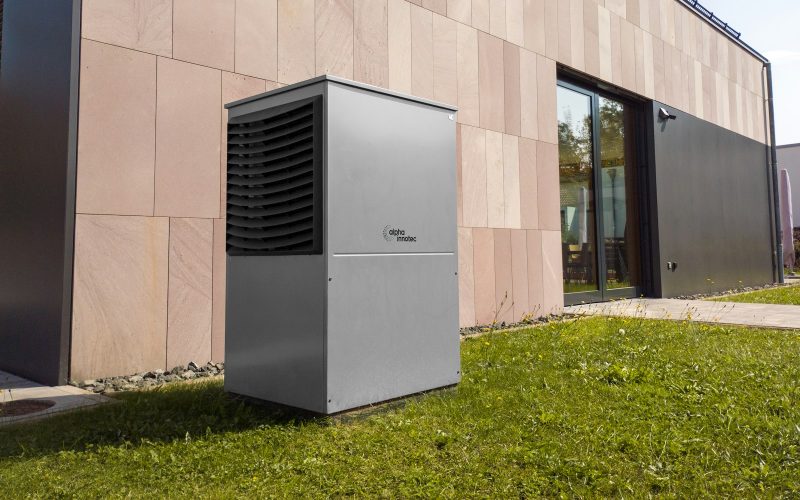
Rheem Endeavor Prestige RP20 Review: Variable-Speed Value With a Real Warranty
Rheem's RP20 pairs roughly 20 SEER2 and 10 HSPF2 with EcoNet connectivity and a 10-year conditional unit replacement warranty, making it the strongest mid-priced variable-speed heat pump.

Editor’s verdict: The most complete mid-priced variable-speed heat pump: real cold-weather data, a genuine control ecosystem and a unit replacement warranty.
The Rheem Endeavor Line Prestige Series RP20 is a variable-speed central heat pump that hits roughly 20 SEER2, runs on the low-GWP refrigerant R-454B, and backs itself with a 10-year parts warranty plus a 10-year conditional unit replacement term that few competitors match. It sits in the sweet spot between budget brands like Goodman and premium names like Carrier and Lennox, and its EcoNet control platform is genuinely better than most. This review is based on manufacturer specifications, AHRI and ENERGY STAR listings, published performance data and owner feedback, not hands-on testing.
Overview
Endeavor is Rheem’s redesigned residential HVAC platform, introduced to carry the company through the A2L refrigerant transition. Within it, Prestige is the top tier, Classic Plus sits below it and Classic anchors the entry level. The RP20 is the flagship variable-speed heat pump: an inverter-driven outdoor unit with a communicating control board, ENERGY STAR certification and a published cold-climate rating.
Below it, the RP18 is a two-stage Prestige unit and the RP17 is a single-stage model, so the “RP” family covers most of Rheem’s residential heat pump range. Rheem also sells the same equipment under its Ruud badge through a separate dealer channel, and you will see near-identical Endeavor units listed under Ruud model numbers at similar prices. Distributors sometimes list the R-454B Endeavor variable-speed heat pump under related designations such as RP19AY, so confirm the exact model number on your quote rather than relying on the marketing name alone.
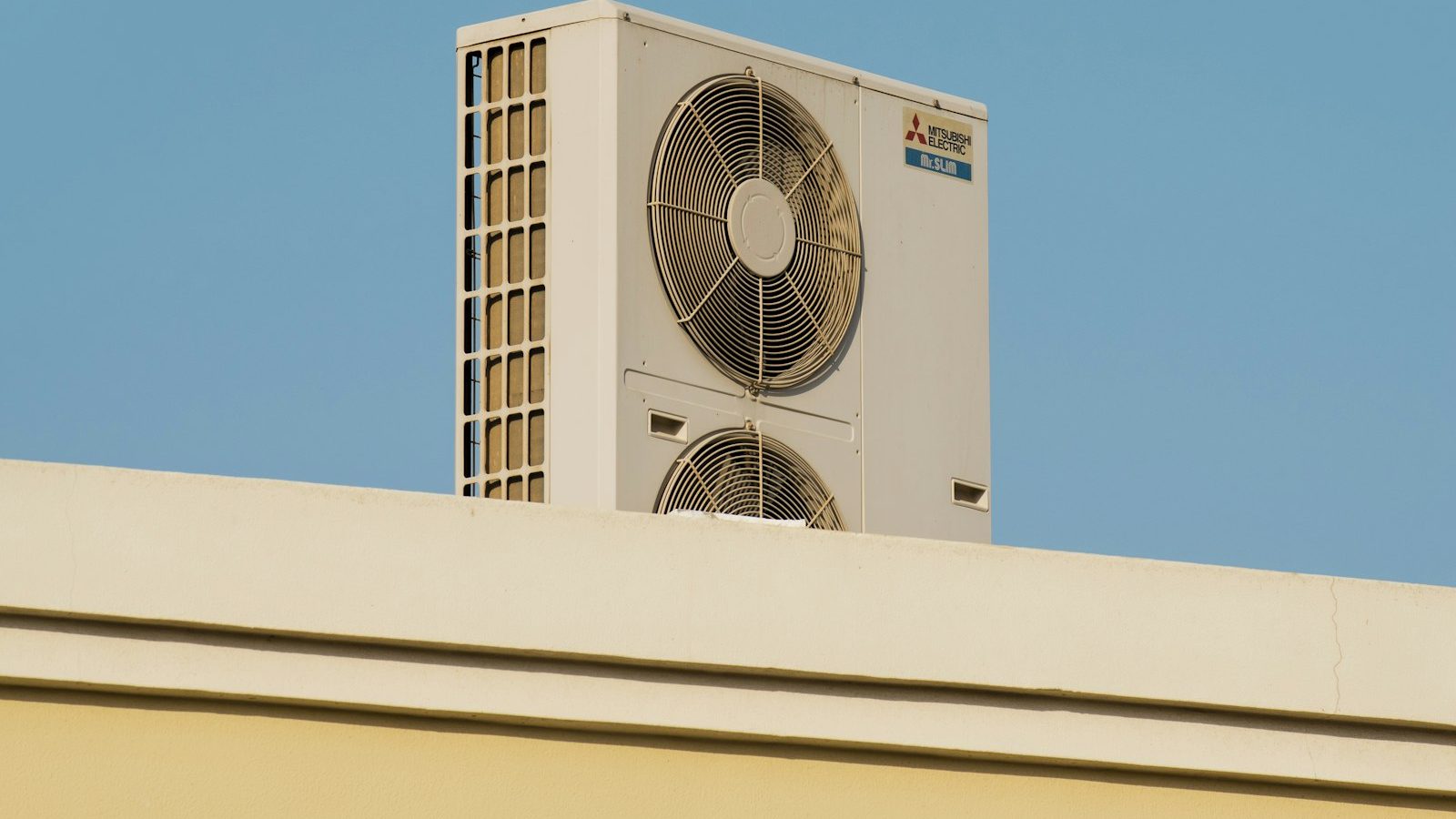
The cabinet is a conventional top-discharge design with a composite base pan that resists corrosion better than stamped steel and a louvered coil guard. Sizes run roughly 2 through 5 tons.
Where the RP20 sits in the Endeavor lineup
| Model | Tier | Compressor | Approx. efficiency | EcoNet |
|---|---|---|---|---|
| RP20 | Prestige | Variable-speed inverter | Up to about 20 SEER2 / 10 HSPF2 | Yes |
| RP18 | Prestige | Two-stage | Roughly 17–18 SEER2 | Yes |
| RP17 | Classic Plus | Single-stage | Roughly 15–16 SEER2 | Limited |
Efficiency
Published listings put the RP20 at 20.0 SEER2 and 10.0 HSPF2, with individual matched systems varying by size and indoor pairing. Some retailer listings for Endeavor variable-speed systems show 17.5 to 19 SEER2 depending on the air handler, and you may see marketing figures as high as 20.5 or 21 SEER2 for premium matches, so treat the top end as approximate until you see the AHRI certificate for your specific combination.
An HSPF2 of 10.0 is the more interesting number. That is a strong heating rating for a mainstream American brand, and it puts the RP20 within striking distance of flagships that cost several thousand dollars more. Each full HSPF2 point is worth roughly 10% of your heating electricity, so an RP20 at 10.0 HSPF2 will cost meaningfully less to run each winter than a two-stage unit at 8.5. Our SEER2 and HSPF2 explainer shows how to turn those ratings into an annual dollar figure for your utility rate.
The RP20 is ENERGY STAR certified, which matters in 2026 mainly because many state and utility rebate programs use ENERGY STAR certification as their eligibility floor. See our ENERGY STAR Most Efficient roundup for how the certification tiers work.
Heating performance
Rheem publishes what many competitors do not: a documented low-temperature capacity figure. The RP20 is rated for cold-climate operation down to about -10°F and is listed as retaining roughly 78% of rated capacity at 5°F. That is honest, useful data and it puts the unit in a clearly defined category.
Seventy-eight percent at 5°F is solid mid-tier performance: well ahead of a single-stage heat pump, which may deliver half its rated output at that temperature, and clearly behind dedicated cold-climate systems from Mitsubishi, Fujitsu and Bosch that hold 100%. In practice an RP20 sized to your design heating load will carry most of a climate zone 4 or 5 winter, with electric strip heat or a gas furnace picking up the coldest handful of days.
If you are in zone 5 or colder and want to eliminate backup heat entirely, this is not the right machine; see our cold-climate guide. In zone 3 or 4, or in a dual-fuel pairing with an existing gas furnace, the RP20’s published numbers make it easy to plan the switchover point precisely.
In a dual-fuel installation, EcoNet lets your contractor set the outdoor temperature at which the system hands off from heat pump to furnace. Ask them to calculate that balance point from your actual gas and electric rates rather than accepting a default; it is often worth $100–$300 a year.
Cooling performance
Variable-speed cooling is the RP20’s most immediately noticeable benefit. The inverter compressor modulates continuously rather than cycling, so on a summer afternoon it runs for long stretches at a fraction of full capacity, and those gentler cycles remove far more humidity than short bursts at full output.
Owner feedback consistently mentions two things: the house holds a steadier temperature between floors, and the system is far less noticeable than the single-stage unit it replaced. EcoNet also offers an enhanced dehumidification mode that runs the system at low airflow specifically to pull moisture, which is worth enabling in humid climates.
Noise
Rheem lists sound levels for the RP20 as low as roughly 58 dB(A). That is a middle-of-the-road figure on paper. The quietest central heat pumps sold in the U.S. publish minimums in the low 50s, and a conventional single-stage condenser typically sits in the low-to-mid 70s.
The number understates real-world experience, because a variable-speed unit spends most of its runtime well below maximum speed. Owners generally describe the RP20 as unobtrusive indoors and noticeable but not intrusive on a patio. If the unit will sit under a bedroom window or near a property line, check our quietest heat pumps list and our noise explainer first.
Features and controls
EcoNet is the RP20’s standout feature and the main reason to choose it over a cheaper inverter unit. It is a genuine communicating system: the outdoor unit, air handler, thermostat and, if you have one, a compatible Rheem water heater all talk on a shared bus. The homeowner app shows runtime, energy use estimates and system status, and it sends alerts when a filter needs changing or a fault code appears.
For contractors, EcoNet provides commissioning tools and remote diagnostics, which shortens service calls. In practical terms it is the closest thing in the mid-price tier to the ecosystem experience Carrier’s Infinity and Lennox’s iComfort platforms offer at much higher prices.
The RP20 also supports dual-fuel control, staged backup heat management and zoning through Rheem’s own accessories. The main limitation is the same as with any communicating system: you are largely locked into the manufacturer’s thermostat. A Nest or Ecobee can be made to work in a basic capacity, but you lose modulation control and most of the diagnostics.
Not sure which model fits your home? Start with our ranked picks for 2026.
Compare This ModelWarranty and reliability
The warranty is a genuine differentiator. Registered, the RP20 carries a 10-year parts limited warranty plus a 10-year conditional unit replacement warranty. The second term means that within the covered period, a qualifying failure gets you a replacement unit rather than a repair, which is a materially better outcome than a parts-only warranty on an inverter system where the expensive components are the compressor and the inverter board.
Read the conditions carefully. Unit replacement terms typically require licensed-contractor installation, registration within a 60 to 90 day window, and maintenance per the manual. Labor is not included, so budget for a service charge even on covered repairs.
On reliability, Rheem is a large, established manufacturer with a broad dealer and parts network, and Endeavor was a clean-sheet redesign rather than a patch onto an older platform. As with every 2025-and-later system, long-term field data on R-454B equipment is still accumulating; the refrigerant is well understood, but A2L service procedures and leak-detection hardware add complexity some technicians are still learning. Our R-454B transition guide covers what that means for service.
Price and value
An RP20 system with a matching variable-speed air handler typically installs for $10,000–$16,000 (2026, before incentives), depending on size, region, ductwork and electrical work. That places it above budget inverter systems like the Goodman GSZV9 at $8,000–$13,000 and comfortably below premium flagships from Carrier, Trane and Lennox at $13,000–$22,000.
Two 2026 pricing notes. R-454B supply was genuinely tight through 2025, pushing equipment prices and lead times up for brands that standardized on it; that has eased but not fully reversed. And the federal 25C tax credit that returned 30% up to $2,000 on qualifying heat pumps was terminated for equipment placed in service after December 31, 2025, so evaluate a 2026 quote on its own merits and check state and utility programs. Our 2026 cost guide and cost calculator can help you sanity-check it.
The value case rests on the warranty and EcoNet: roughly $2,000–$3,000 more than a budget inverter system buys a documented cold-weather rating, a real control ecosystem and a unit replacement guarantee. For a system you expect to keep 15 years, that is defensible.
Who should buy it
The RP20 fits homeowners in climate zones 3 through 5 who want a strong mid-priced variable-speed system with modern connectivity and a warranty they can point to. It is a particularly good dual-fuel choice, because the published capacity data and EcoNet’s balance-point control make the heat pump plus furnace handoff easy to optimize. It also makes sense if you already own a Rheem water heater or plan to buy one, since EcoNet ties them together.
Skip it if you need true cold-climate performance below 0°F without backup heat, if you want the absolute quietest condenser available, or if you insist on using a third-party smart thermostat with full modulation control.
Alternatives
Carrier Infinity 24 (24VNA6) is the step up: higher peak efficiency, a more refined control ecosystem and a stronger dealer network, at a price roughly $3,000–$6,000 higher. Choose it if peak efficiency and dealer depth justify the premium.
Trane XV20i offers comparable variable-speed performance with Trane’s reputation for durable outdoor units and its Spine Fin coil. Expect similar or slightly higher pricing than the RP20 with a different control platform.
Goodman GSZV9 is the budget alternative. It gives up EcoNet and the published 5°F capacity figure but saves $2,000–$3,000 and offers similarly strong warranty terms with much cheaper parts.
Our recommendation
Buy the Rheem Endeavor Prestige RP20 if you want a well-documented, well-connected variable-speed heat pump for a mid-market price. The combination of roughly 20 SEER2, 10.0 HSPF2, a published 78% capacity figure at 5°F, EcoNet and a 10-year conditional unit replacement warranty is the most complete package in this price bracket, and Rheem’s willingness to publish real low-temperature data instead of vague marketing claims is worth rewarding.
Before you sign, ask for the AHRI reference number for the exact outdoor unit and air handler combination, confirm the registration deadline for the unit replacement warranty, and get the labor warranty terms in writing. If your winters routinely drop below 0°F, spend the extra money on a dedicated cold-climate system instead.
Not sure which model fits your home? Start with our ranked picks for 2026.
Find the Best Heat Pump for Your HomePros and cons
What we like
- Strong 10.0 HSPF2 heating rating for a mid-priced American brand
- Publishes real low-temperature data: about 78% of rated capacity at 5°F, operation to -10°F
- 10-year parts plus 10-year conditional unit replacement warranty when registered
- EcoNet communicating controls with homeowner app, diagnostics and dual-fuel balance-point control
- ENERGY STAR certified, which qualifies it for most state and utility rebate programs
- Ships with R-454B, so it is not tied to the phased-down R-410A supply chain
What to watch
- Rated sound of roughly 58 dB(A) is mid-pack, not class-leading
- Communicating platform effectively requires Rheem's own thermostat for full modulation control
- Not a true cold-climate system; backup heat is still needed below about 0°F
- Model naming across Endeavor and Ruud badges is confusing on quotes
Key specifications
| Heating capacity | Roughly 2–5 tons (24,000–60,000 BTU/h nominal) |
|---|---|
| SEER2 | up to about 20.0 (varies by match; some listings 17.5–19) |
| HSPF2 | up to about 10.0 |
| Rated heating at 5°F | ≈78% of rated capacity |
| Min. operating temp | rated to about -10°F (heating) |
| Noise (outdoor) | as low as about 58 dB(A) |
| Refrigerant | R-454B |
| Controls | EcoNet communicating platform with homeowner app and remote diagnostics |
| Certification | ENERGY STAR certified |
| Warranty | 10-yr parts + 10-yr conditional unit replacement when registered; labor not included |
| Typical installed price | $10,000–$16,000 (2026, before incentives) |
Ratings vary by capacity and matched indoor unit. Confirm the exact AHRI-matched combination your contractor quotes.
Alternatives worth comparing
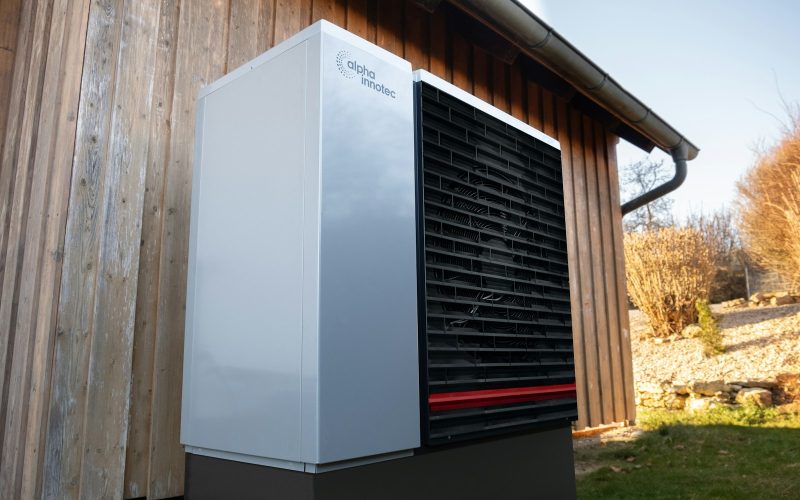
Infinity 24 Heat Pump with Greenspeed Intelligence (25VNA4; 27-series on R-454B)
Best for: Ducted homes wanting maximum efficiency, zoning and humidity control
One of the most efficient and best-controlled ducted heat pumps on the market, priced at the very top and tied to a…

XV20i TruComfort Variable Speed Heat Pump
Best for: Ducted homes prioritizing longevity, and dual-fuel systems in cold climates
The ducted heat pump to buy when durability and warranty matter more than the last two efficiency points.
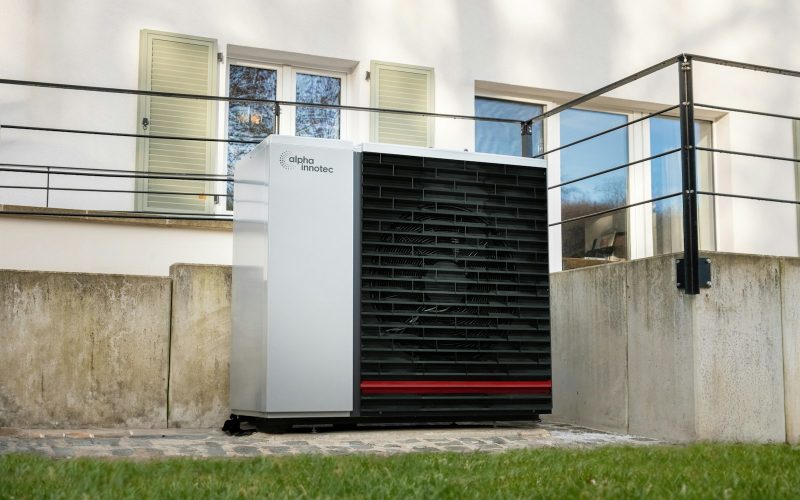
GSZV9 (and 2025+ R-32 GZV9S side-discharge sibling)
Best for: Value-focused buyers in mild to moderate climates who want inverter comfort
A Daikin variable-speed compressor in a budget cabinet, delivering most of a flagship's comfort for roughly 60% of the price.
Frequently asked questions
Published listings put the RP20 at 20.0 SEER2 and 10.0 HSPF2, and it is ENERGY STAR certified. Actual ratings vary by size and by which Rheem air handler or coil it is matched with, and some retailer listings for Endeavor variable-speed systems show 17.5 to 19 SEER2. Ask for the AHRI reference number for your specific matched combination before signing.
Rheem rates the RP20 for cold-climate operation down to about -10°F and lists roughly 78% of rated capacity at 5°F. That is solid mid-tier performance: much better than a single-stage heat pump, but short of dedicated cold-climate systems that hold 100% of capacity at 5°F. In climate zone 5 and colder, plan on electric strip heat or a furnace as backup.
EcoNet is Rheem's communicating control platform. The outdoor unit, air handler, thermostat and compatible Rheem water heaters share a data bus, and the homeowner app shows runtime, energy estimates, filter reminders and fault alerts. Contractors get commissioning and remote diagnostic tools. It is one of the main reasons to pay more for an RP20 over a budget inverter unit, but it largely locks you into Rheem's own thermostat.
R-454B, a low-GWP A2L refrigerant that replaced R-410A across the industry starting in 2025. R-454B supply was genuinely tight through 2025, which raised prices and lead times for brands that standardized on it. A2L refrigerants are mildly flammable, so service requires trained technicians and appropriate leak-detection hardware.
Registered, the RP20 carries a 10-year parts limited warranty plus a 10-year conditional unit replacement warranty, meaning a qualifying failure gets you a replacement unit rather than a repair. Conditions typically include licensed-contractor installation, registration within the specified window and documented maintenance. Neither term covers labor, so budget for service charges even on covered repairs.
It is average on paper and better than average in practice. Rheem lists sound as low as roughly 58 dB(A), where the quietest central heat pumps publish minimums in the low 50s and single-stage units sit in the low-to-mid 70s. Because a variable-speed unit runs most of its hours well below maximum speed, owners typically describe it as unobtrusive rather than silent.
Sources

Heat Pump Reviews Editorial Team
Our editors research heat pumps full time: manufacturer specifications, AHRI and ENERGY STAR listings, published cold-climate performance data, warranty terms, installer feedback and owner reviews. We do not accept payment for placement, and every rating follows our published methodology.