Senville AURA Mini-Split Review: Cold-Climate Ductless on a Budget
The AURA claims heating down to -22°F and up to about 22 SEER2 for far less than name-brand ductless, but it needs a licensed technician for the line set and lacks published capacity data.

Editor’s verdict: Competent cold-weather ductless at roughly half the installed cost of a name brand, provided you can find a technician to install it.
The Senville AURA claims heating operation down to -22°F and ratings of up to roughly 22 SEER2, at a price that undercuts every name-brand cold-climate mini-split by thousands. The catch is that it is not a DIY product: it ships without a pre-charged quick-connect line set, so a licensed technician has to flare, evacuate and commission it. This review is based on manufacturer specifications, retailer listings, published performance data and owner feedback, not hands-on testing.
Overview
Senville is a Canadian-based brand that sells imported ductless equipment direct through Amazon and its own retail channel, with no dealer network in the traditional sense. That structure is the whole proposition: you buy the equipment at online prices and hire an independent HVAC technician to install it, rather than paying a contractor’s equipment markup on top of their labor.
The lineup is straightforward. AURA is the flagship: ENERGY STAR certified on most sizes, cold-climate rated, higher SEER2, longer compressor warranty. LETO is the budget line: lower efficiency, shorter warranty, no cold-climate claim. Single-zone AURA capacities run from roughly 9,000 to 36,000 BTU/h, and multi-zone configurations serve two to five indoor heads from one outdoor unit, with ceiling cassette and floor-mounted options alongside wall heads.
AURA vs LETO at a glance
| Line | Efficiency | Cold-climate rating | Warranty | Best for |
|---|---|---|---|---|
| AURA | Up to about 22 SEER2 | Heating listed to -22°F | 5-yr parts / 10-yr compressor | Year-round heating and cooling |
| LETO | Roughly 16–19 SEER2 | Not cold-climate rated | Typically 5-yr parts / 5-yr compressor | Cooling-led use in mild climates |
Efficiency
Retailer listings put the AURA at up to roughly 22 SEER2 on the smaller capacities, with the 24,000 BTU/h model listed at 21 SEER2 and the 27,000 BTU/h three-zone system at 23 SEER2. Heating efficiency is published as separate regional figures: the 24,000 BTU/h model lists 13.5 HSPF2 for DOE region IV and 9.5 for region V, and AURA HSPF2 figures generally top out around 10 in the colder region.
Those are strong numbers on paper, and most AURA sizes carry ENERGY STAR certification, which is an independent check on the manufacturer’s claims. Treat the headline SEER2 as a best-case figure for a specific size, though, and confirm the AHRI-certified rating for the exact model number you are ordering. Our SEER2 and HSPF2 explainer covers why the region V heating number is the one that matters if you live in the northern half of the country.
The practical takeaway: an AURA is meaningfully more efficient than electric baseboard or a window unit, competitive on paper with mid-tier name brands, and slightly behind the best Japanese equipment. For the price difference, that is a reasonable place to land.
Heating performance
Senville lists a minimum outdoor heating temperature of -22°F for the AURA, which is the lowest figure any mainstream brand publishes. It is also the number that most deserves scrutiny.
An operating range tells you the compressor will run; it does not tell you how much heat comes out. Fujitsu and Mitsubishi publish capacity retention data, stating what percentage of rated output the system delivers at 5°F or 17°F, and their cold-climate models appear on the NEEP cold-climate heat pump list with third-party verified performance curves. Senville does not publish comparable capacity data, and AURA models are not consistently represented on the NEEP list.
Owner reports are broadly consistent with a competent but not exceptional cold-climate unit: solid heating through the teens and single digits, noticeable output decline below zero, and reliable operation rather than lockout. That is genuinely useful and far beyond what a standard mini-split does, but it is not equivalent to a system rated for 100% of capacity at 5°F. If the AURA will be the primary heat source in climate zone 6 or 7, size it generously against the design heating load and keep a backup. Our sizing guide and cold-climate guide cover how.
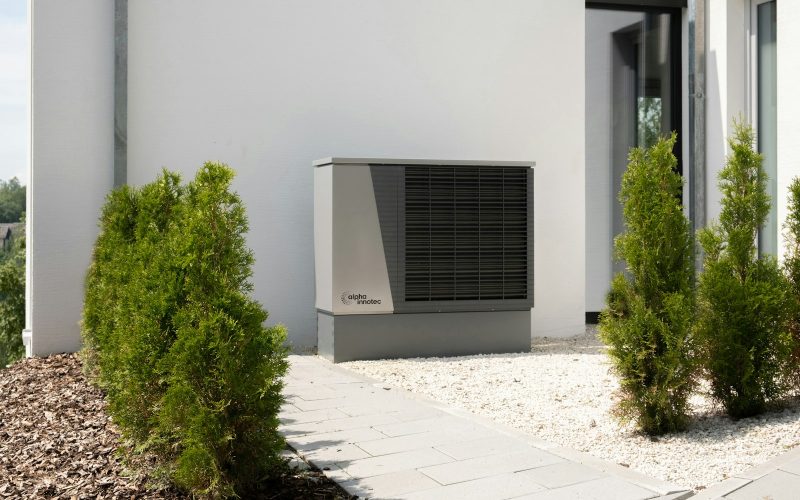
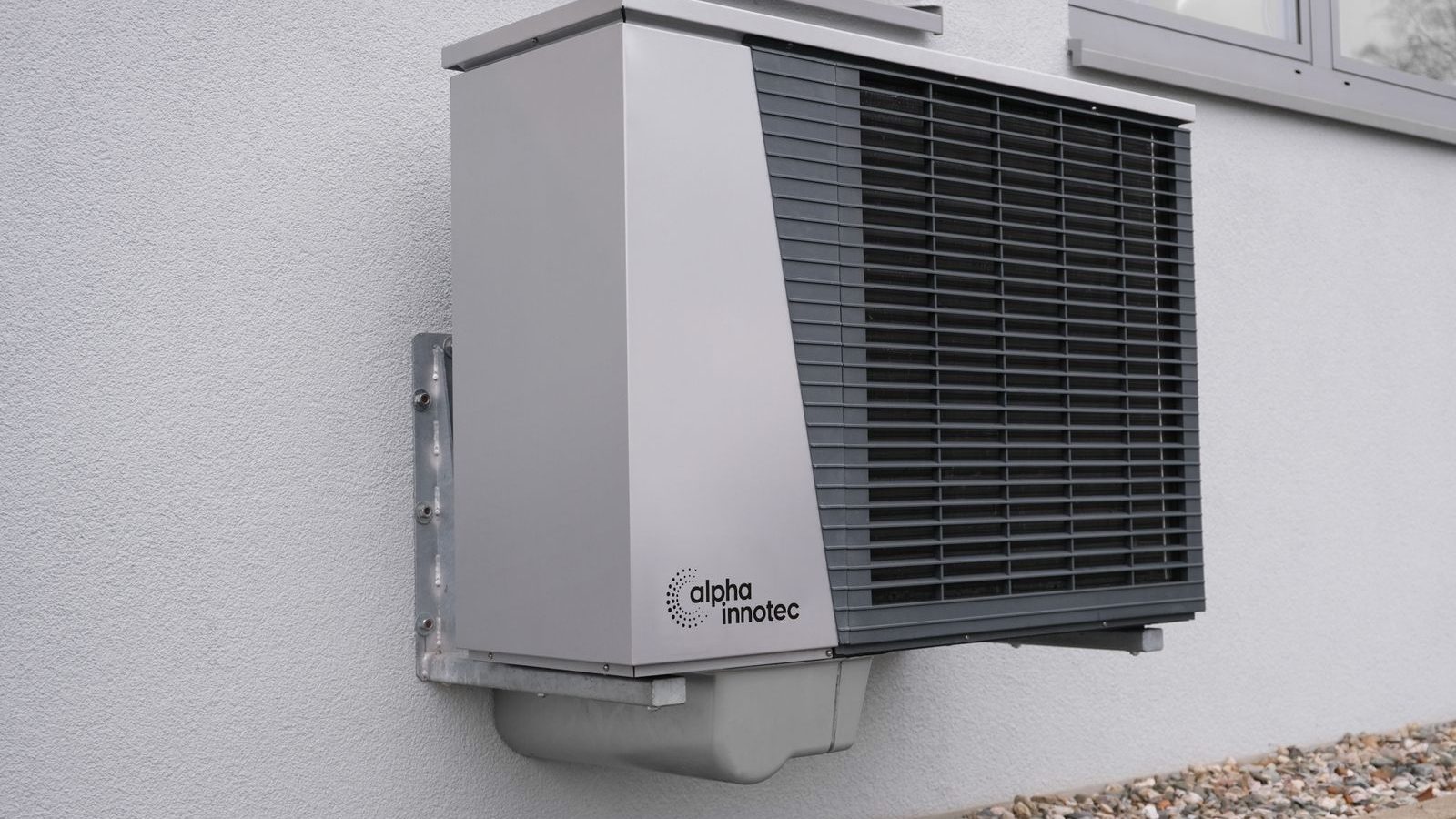
Ask your installer to mount the outdoor unit on a wall bracket or elevated stand that clears expected snow depth by 12–18 inches, and confirm the model includes a base pan heater. Without one, defrost meltwater refreezes under the coil and gradually blocks airflow in snowy climates.
Cooling performance
Cooling is where the AURA is least controversial. The inverter compressor modulates continuously, so the system holds a steady temperature and pulls moisture out over long low-output run cycles rather than blasting cold air in short bursts. Owner satisfaction on cooling is consistently high, and this is what most Senville buyers use it for.
The usual caveat for any cold-climate mini-split applies: size the system to carry a hard winter and it may be oversized for summer, producing short cycling and mediocre dehumidification. In a humid climate with cold winters, splitting the load across two smaller indoor heads gives better summer performance than one large one.
Noise
Noise is the AURA’s weakest area relative to premium brands, and it is where the price shows. Indoor heads are quiet at low fan speed but noticeably louder than a Mitsubishi or Fujitsu at equivalent output, and owners more frequently mention fan noise at medium and high speeds. Outdoor units are similarly a step behind, with a more audible compressor tone during cold-weather operation.
Senville does not publish detailed sound data as consistently as the Japanese brands, so treat any single decibel figure on a retailer page with caution. In a garage, workshop or living room none of this will bother you; in a bedroom with the head above the bed, it might. Mounting quality matters too, since a loose bracket or an unlevel pad produces vibration noise that has nothing to do with the equipment. Our noise explainer covers what the ratings mean.
Not sure which model fits your home? Start with our ranked picks for 2026.
See AlternativesFeatures and controls
The AURA covers the expected feature list without surprises. Built-in Wi-Fi connects to Senville’s app for scheduling, remote operation and mode changes, with Alexa and Google Assistant voice control. The remote includes a follow-me function that reads room temperature at the remote rather than the indoor head, plus sleep, turbo and dehumidify modes and a self-cleaning cycle that dries the coil after cooling to limit mold growth.
The app is functional rather than refined. It occasionally requires a reconnection after a router change, a common complaint across every budget ductless brand, and there is no deep home-automation integration beyond the voice assistants or any equivalent of the diagnostic and energy-reporting tools premium platforms offer.
Multi-zone AURA systems control each indoor head independently, which is what makes the brand worth considering for whole-home use rather than a single room. Indoor options include wall-mounted heads, ceiling cassettes and floor consoles.
Warranty and reliability
Retailer documentation lists the AURA with a 5-year parts warranty and a 10-year compressor warranty, with the LETO line typically at five years on both. Terms have changed over the years and vary by retailer and region, so read the current warranty document for the specific model before purchase rather than relying on a listing summary.
Two conditions are the ones that catch buyers out. First, the warranty generally requires professional installation by a licensed HVAC technician; a self-installed AURA is usually not covered, which is the main practical difference from an MRCOOL DIY system. Second, labor is not included, so a covered compressor replacement at year eight still means paying for the technician’s time.
The deeper risk with any direct-to-consumer brand is service. There is no dealer network, so if something fails you are calling independent shops, and some decline to work on brands they do not sell. Parts come through Senville’s own support channel, which is slower than a brand stocked at every local supply house. Before you order, call two local HVAC companies and ask whether they will install and later service a customer-supplied Senville. Their answer should shape your decision more than any spec.
On refrigerant: Senville has been transitioning its lineup to low-GWP A2L refrigerants alongside the rest of the industry, and current AURA listings variously cite R-32 and R-454B while older LETO stock used R-410A. Confirm the refrigerant on the specific model you order, because it affects both service procedures and long-term refrigerant cost. Our refrigerant transition guide explains why this matters.
Price and value
Equipment-only pricing for single-zone AURA systems generally runs $900–$2,400 depending on capacity, with multi-zone outdoor units from roughly $2,000–$4,000 before indoor heads. Installed, with a licensed technician handling the line set, evacuation, commissioning and electrical work, expect a total of roughly $2,500–$5,000 for a single zone (2026, before incentives).
That installed total compares with $5,000–$8,500 for a professionally supplied and installed Fujitsu or Mitsubishi single zone. The saving is real, and it comes almost entirely from the equipment markup rather than from cutting corners on installation.
Two budgeting notes. Installation labor for a customer-supplied unit varies enormously by market; some technicians charge a premium for equipment they did not sell and a few will not touch it, so get quotes before you order. And the federal 25C tax credit ended for equipment placed in service after December 31, 2025, so 2026 buyers should look only to state and utility programs, most of which require licensed-contractor installation and some of which require the installer to be a program participant. Our 2026 cost guide puts these figures in context.
Who should buy it
The AURA suits budget-conscious buyers who want cold-weather-capable ductless heating and cooling and can find an independent technician willing to install customer-supplied equipment. It works well for garages, workshops, additions, finished basements and small homes, and the multi-zone versions can serve a modest house for less than a single-zone premium system costs.
It is the wrong choice if you want documented capacity-at-5°F data, a decade-plus parts warranty, a dealer accountable for the whole system, or the quietest possible bedroom operation. It is also wrong if you want to install it yourself: unlike MRCOOL, the refrigerant work requires a licensed technician, and doing it yourself voids the warranty.
Alternatives
MRCOOL DIY is the alternative if self-installation is the goal. Pre-charged Quick Connect line sets remove the licensed-technician requirement entirely, at the cost of a shorter warranty and weaker cold-weather documentation.
Fujitsu XLTH is the step up for cold climates, with rated capacity maintained down to about 3°F, operation to -15°F and a 12-year registered warranty. It costs roughly twice as much installed and is the right answer when the mini-split is your primary heat.
Mitsubishi Hyper-Heating is the benchmark: verified cold-climate performance, the strongest dealer and service network, and the best long-term reliability record in ductless. Buy it when you intend to keep the system 20 years.
Our recommendation
Buy the Senville AURA if you want ductless heating and cooling that works well into cold weather, you are comfortable managing the install yourself as a general contractor rather than buying a turnkey system from a dealer, and the savings of $2,500–$4,000 per zone matter more to you than a longer warranty and verified performance data.
Before you order, do two things. Confirm that a local licensed technician will install and later service customer-supplied equipment, and get that quote in writing. Then check the refrigerant, the exact SEER2 and HSPF2 ratings and the current warranty terms for the specific model number, because Senville’s lineup has been changing quickly through the A2L transition. Treat the -22°F figure as an operating limit rather than a performance guarantee, and if the AURA will be the sole heat source for a home in a genuinely cold region, spend the extra money on a system with published capacity data instead.
Not sure which model fits your home? Start with our ranked picks for 2026.
Find the Best Heat Pump for Your HomePros and cons
What we like
- Heating listed down to -22°F, the lowest operating limit any mainstream brand publishes
- Up to about 22 SEER2 with ENERGY STAR certification on most AURA sizes
- Roughly half the installed cost of an equivalent Fujitsu or Mitsubishi single zone
- 10-year compressor warranty, longer than most budget ductless brands offer
- Built-in Wi-Fi with Alexa and Google Assistant, plus follow-me remote and self-cleaning cycle
- Multi-zone, ceiling cassette and floor console options for whole-home use
What to watch
- No published capacity-retention data at 5°F and inconsistent NEEP cold-climate listing
- Noisier than premium Japanese brands at both the indoor head and outdoor unit
- No dealer network; some HVAC companies refuse to service customer-supplied equipment
- Requires a licensed technician for the line set, so it is not a DIY alternative to MRCOOL
Key specifications
| Heating capacity | Roughly 9,000–36,000 BTU/h single zone; multi-zone systems serve 2–5 heads |
|---|---|
| SEER2 | up to about 22 (21 on the 24,000 BTU/h model; 23 on the 27,000 BTU/h 3-zone) |
| HSPF2 | up to about 10 in DOE region V; higher region IV figures are quoted separately |
| Min. operating temp | -22°F (heating), manufacturer-listed operating limit |
| Noise (indoor) | Not consistently published; noisier than premium brands at equivalent output |
| Refrigerant | R-32 or R-454B depending on model and production date; older LETO stock R-410A |
| Controls | Built-in Wi-Fi, Senville app, Alexa and Google Assistant, follow-me remote |
| Certification | ENERGY STAR certified on most AURA sizes |
| Warranty | 5-yr parts / 10-yr compressor (AURA); professional installation required, labor not covered |
| Typical equipment price | $900–$2,400 single zone (retailer pricing, 2026) |
| Typical installed price | $2,500–$5,000 single zone including licensed line-set install (2026, before incentives) |
Ratings vary by capacity and matched indoor unit. Confirm the exact AHRI-matched combination your contractor quotes.
Alternatives worth comparing
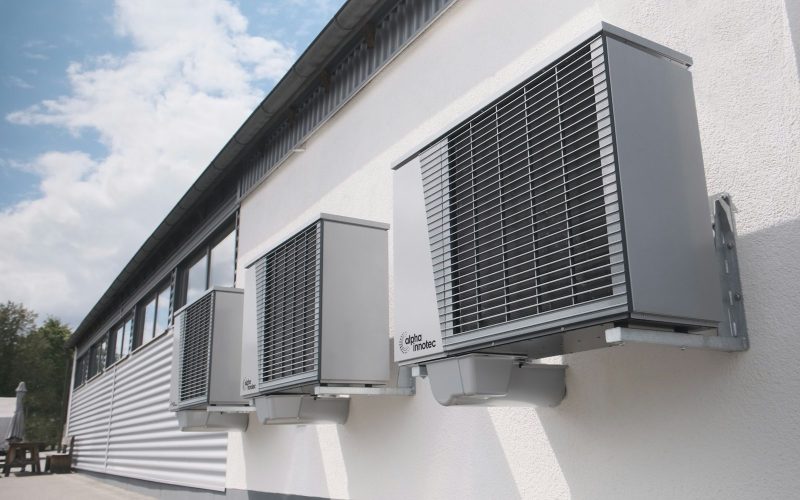
DIY 4th Generation and 5th Generation (single and multi-zone)
Best for: DIY installers conditioning garages, workshops, additions and bonus rooms
The only mini-split a handy homeowner can genuinely install alone, and unbeatable value for garages, workshops and bonus rooms.
Halcyon / Airstage XLTH series (RLS3H, RLXFWH, RLFFH, RLXFZH)
Best for: Cold-climate homes without ductwork that want heat pump heating without fossil backup
The most credible alternative to Mitsubishi Hyper-Heating, with documented full capacity at 3°F and slim-duct options that hide the hardware.
Hyper-Heating H2i / H2i plus (MSZ-FS, MXZ, SVZ/PVA, intelli-HEAT)
Best for: Cold climates and homes without complete ductwork
The most dependable cold-climate heat pump platform sold in the U.S., provided you buy it through a Diamond Contractor and accept a…
Frequently asked questions
No, not without voiding the warranty. Unlike MRCOOL's DIY line, the AURA ships without a pre-charged quick-connect line set, so a licensed technician has to flare the copper, pull a vacuum, release the charge and commission the system. Senville's warranty generally requires professional installation. Budget for a technician who will work on customer-supplied equipment, and confirm that before you order.
Senville lists -22°F as the minimum outdoor heating temperature, which is an operating limit rather than a capacity rating. It means the compressor will run, not that the unit delivers rated output. Senville does not publish capacity-retention data at 5°F the way Fujitsu and Mitsubishi do, and AURA models are not consistently listed on NEEP's cold-climate heat pump list. Expect solid heating into the single digits and noticeable decline below zero.
AURA is the flagship: higher efficiency at up to roughly 22 SEER2, ENERGY STAR certification on most sizes, a cold-climate heating rating and a 10-year compressor warranty. LETO is the budget line, generally in the 16 to 19 SEER2 range with a shorter warranty and no cold-climate claim. Buy AURA if you plan to heat with it; LETO is a cooling-led option for mild climates.
It depends on the model and production date. Senville has been transitioning its lineup to low-GWP A2L refrigerants alongside the rest of the industry, and current listings variously cite R-32 and R-454B, while older LETO stock used R-410A. Confirm the refrigerant on the specific model number you order, because it affects service procedures, technician training and long-term refrigerant cost.
Retailer documentation lists the AURA with 5 years on parts and 10 years on the compressor, and the LETO typically at 5 years on both. Terms have changed over the years and vary by retailer and region, so read the current warranty document for your model. Professional installation is generally required, and labor is not covered, so a covered compressor replacement still means paying for the technician's time.
Owner satisfaction is generally good, particularly on cooling, and the equipment is competent for the price. The real risk is service rather than hardware: Senville sells direct with no dealer network, so if something fails you are calling independent shops, and some decline to work on brands they do not sell. Call two local HVAC companies before ordering and ask whether they will install and later service customer-supplied Senville equipment.
Sources

Heat Pump Reviews Editorial Team
Our editors research heat pumps full time: manufacturer specifications, AHRI and ENERGY STAR listings, published cold-climate performance data, warranty terms, installer feedback and owner reviews. We do not accept payment for placement, and every rating follows our published methodology.