R-454B and the Refrigerant Transition in 2026: What the Shortage Left Behind
New heat pumps now ship with A2L refrigerants. Here is how the 2025 R-454B shortage played out, why R-410A repairs get pricier, and what to ask before buying.

WASHINGTON — The refrigerant inside new heat pumps changed in 2025, and the fallout is still shaping prices and lead times in 2026. Under the AIM Act phase-down, new residential systems now ship with mildly flammable A2L refrigerants, mainly R-454B and R-32, instead of R-410A. Here is where the transition stands, what the 2025 R-454B shortage did to the market, and what it means whether you are repairing an older system or buying a new one this year.
What happened
The American Innovation and Manufacturing (AIM) Act of 2020 directed the EPA to cut production and import of hydrofluorocarbon (HFC) refrigerants in steps: to 60 percent of baseline in 2024, 30 percent in 2029, 20 percent in 2034 and 15 percent from 2036. R-410A, the refrigerant in almost every heat pump and air conditioner installed over the past two decades, is an HFC blend with a global warming potential (GWP) of about 2,088.
A companion EPA rule, the Technology Transitions rule finalized in October 2023, set a GWP limit of 700 for new residential and light-commercial air conditioners and heat pumps manufactured or imported from January 1, 2025. Two replacements cleared that bar: R-454B (GWP roughly 466), adopted by Carrier, Trane, Lennox, Rheem, York and most other U.S. ducted-system makers, and R-32 (GWP roughly 675), used by Daikin, Goodman, Amana and many mini-split brands. Both are classified A2L, meaning low toxicity and low flammability, so new equipment carries leak sensors and other safety features that R-410A units never needed.
The rollout did not go smoothly. In spring 2025 the industry hit a shortage of R-454B, driven less by the chemical itself than by a lack of the new left-hand-thread cylinders required for A2L gases. Honeywell told customers in April 2025 that it could not keep up with demand and would raise prices by more than 40 percent while it imported product. Trade reports put the price of a 20-pound R-454B cylinder at roughly $650 to $2,000 during the crunch, against about $345 for a comparable cylinder in 2021, with lead times of 10 to 12 weeks and some distributors rationing refrigerant to contractors buying complete systems. Installations were delayed, and in some markets canceled.
Two regulatory changes followed. The EPA first offered temporary relief on installing leftover R-410A equipment, then on May 21, 2026 finalized amendments to the Technology Transitions rule that remove the January 1, 2026 installation deadline for split systems manufactured or imported before January 1, 2025. That rule took effect July 27, 2026, so contractors may keep installing pre-2025 R-410A inventory until it runs out. New York is the notable exception: industry reports indicate the state wrote the original deadline into its own law, so new R-410A installations there are not allowed.
Why it matters
By mid-2026 the R-454B supply picture has improved. Cylinder makers added capacity, chemical producers increased shipments, and several manufacturers changed how much refrigerant they pre-charge in the outdoor unit. Most distributors report R-454B in stock, though pricing remains well above pre-transition R-410A levels and availability still varies by region and package size. If a quote includes a line for refrigerant that looks high, that is why.
For owners of existing R-410A systems, nothing forces a replacement. Servicing and recharging R-410A equipment remains legal indefinitely, and manufacturers continue to make replacement components. The catch is cost. Virgin R-410A production allowances shrink to 30 percent of baseline in 2029, so prices are expected to climb through the decade. Reclaimed R-410A will fill part of the gap, and a system that holds its charge may never need any. A system with a slow leak is a different story; the economics of topping it off get worse every year.
The two refrigerants do not mix. An R-410A outdoor unit cannot be converted to R-454B, and a new A2L outdoor unit typically must be matched with an A2L-rated indoor coil or air handler equipped with a refrigerant detection sensor. That means a partial replacement, the old strategy of swapping just the condenser, is largely off the table for R-410A systems. Expect the full-system price ranges in our 2026 heat pump cost guide rather than a condenser-only figure.
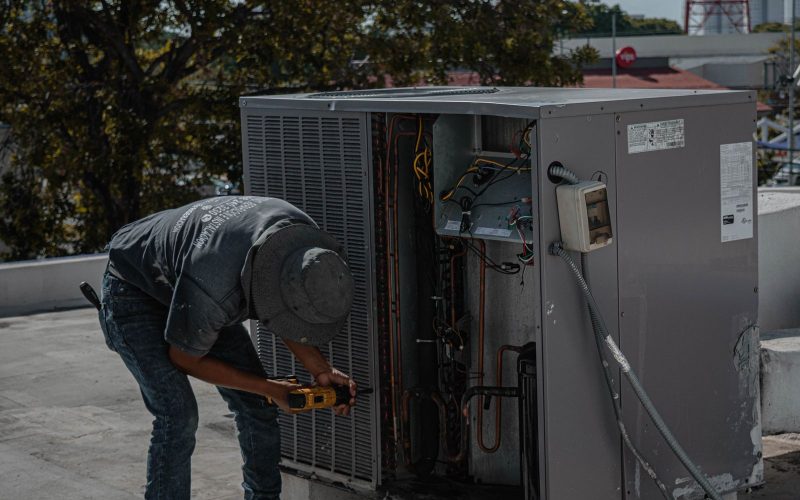
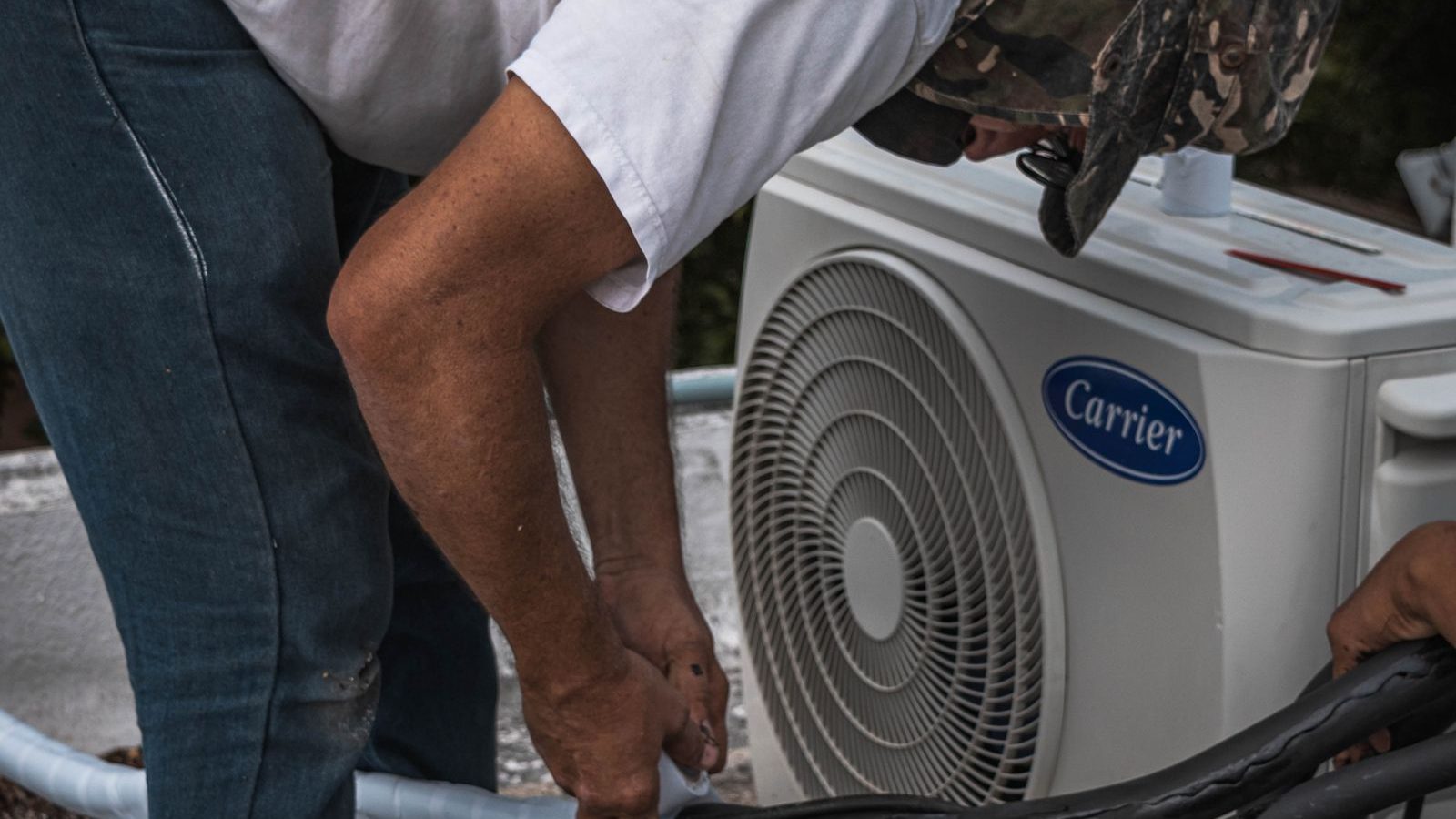
A2L systems are safe when installed to code, but they are not a DIY refrigerant job. Technicians need A2L-rated recovery machines, cylinders and leak detectors, and the indoor unit must include a working refrigerant detection system. Ask your installer to confirm A2L training and equipment before signing.
What homeowners should do
- If your R-410A system is healthy, keep it. Follow our heat pump maintenance checklist and fix leaks promptly rather than paying for repeated recharges.
- If it needs a major repair, run the numbers. A compressor replacement on a 10-year-old R-410A unit rarely beats a new A2L system once rising refrigerant costs and efficiency gains are counted.
- Buying new? Ask which refrigerant and why. R-454B and R-32 both perform well; R-32 is a single-component gas that is easier to reclaim, while R-454B has the lower GWP. Our Daikin Fit review covers a leading R-32 system and the Carrier Infinity 24 review a leading R-454B one.
- Be wary of last-chance R-410A pitches. Pre-2025 inventory is legal to install in most states, and it can be a fair deal if discounted, but you will own a system whose refrigerant gets scarcer every year.
- Get lead times in writing. Availability has improved, but ask the contractor to confirm the equipment and refrigerant are in stock before you schedule, as described in what to expect during installation.
Not sure which model fits your home? Start with our ranked picks for 2026.
See Our Top Picks for 2026Frequently asked questions
In most states, yes, as long as the equipment was manufactured or imported before January 1, 2025. The EPA's May 2026 amendments, effective July 27, 2026, removed the January 1, 2026 installation deadline for that inventory. New York is reported to have kept the original deadline under state law. Before you buy leftover R-410A equipment, weigh the discount against a refrigerant supply that shrinks every year.
No. R-454B runs at different pressures and is mildly flammable, so it requires equipment designed, tested and listed for A2L refrigerants, including leak sensors in the indoor unit. Switching refrigerants means replacing the complete system, outdoor and indoor, with matched A2L-rated components.
R-454B is classified A2L: low toxicity and low flammability. It is difficult to ignite and burns slowly, and A2L systems are built to the UL 60335-2-40 safety standard with refrigerant detection and automatic airflow response. Installed and serviced by a trained technician, an A2L heat pump is considered as safe as an R-410A system.
Not soon, but it will get more expensive. Servicing existing R-410A equipment is allowed indefinitely, and reclaimed refrigerant supplements new production. Production and import allowances fall to 30 percent of baseline in 2029 and 15 percent by 2036, so the smartest move is to fix leaks quickly so your system rarely needs a recharge.
Sources

Heat Pump Reviews Editorial Team
Our editors research heat pumps full time: manufacturer specifications, AHRI and ENERGY STAR listings, published cold-climate performance data, warranty terms, installer feedback and owner reviews. We do not accept payment for placement, and every rating follows our published methodology.