Goodman GSZV9 Heat Pump Review: The Best Value Inverter System
Goodman's GSZV9 puts a Daikin variable-speed compressor in a budget cabinet, reaching up to 22.5 SEER2 for thousands less than a premium flagship. The best value in central heat pumps.

Editor’s verdict: A Daikin variable-speed compressor in a budget cabinet, delivering most of a flagship's comfort for roughly 60% of the price.
The Goodman GSZV9 is the cheapest way to buy a genuine variable-speed heat pump in the United States, and for most homeowners in climate zones 2 through 5 that makes it the smartest value on the market. It is rated up to 22.5 SEER2 on its best indoor matches, carries a 10-year parts and 10-year unit replacement warranty when registered, and typically installs for thousands less than a comparable Carrier, Trane or Lennox flagship. This review is based on manufacturer specifications, AHRI and ENERGY STAR listings, published performance data and owner feedback, not hands-on testing.
Overview
Goodman has been owned by Daikin since 2012, and that parentage is the single most important thing to understand about the GSZV9. The inverter compressor inside it is Daikin’s variable-speed swing compressor, the same basic technology used in the Daikin FIT. You are buying Daikin engineering in a Goodman cabinet, sold through a much wider distribution network and priced against budget equipment.
The GSZV9 is a conventional top-discharge outdoor unit built in Daikin’s Waller, Texas plant, available in roughly 2- through 5-ton sizes and charged with R-410A. It uses ComfortBridge communicating controls, which let the outdoor unit, indoor air handler and compatible thermostat talk to each other and modulate capacity continuously rather than cycling on and off. A quiet DC outdoor fan motor and a high-density compressor sound blanket handle noise.
Since 2025, Goodman’s newer product for this slot is the GZV9S, a side-discharge inverter cabinet running the low-GWP refrigerant R-32. It is rated up to 21 SEER2 and 10 HSPF2, operates in heating down to about -20°F, and quotes sound as low as 45 dB(A) in quiet mode. Depending on your region and your contractor’s stock, you may be quoted either unit in 2026, so it is worth knowing how the family lines up.
How the Goodman heat pump tiers compare
| Model | Compressor | Efficiency | Refrigerant | Cabinet |
|---|---|---|---|---|
| GSZV9 | Variable-speed inverter | Up to 22.5 SEER2 | R-410A | Top discharge |
| GZV9S (2025+) | Variable-speed inverter | Up to 21 SEER2 / 10 HSPF2 | R-32 | Side discharge |
| GZV7S / GZV6S (2025+) | Variable-speed inverter | Up to 19 SEER2 | R-32 | Side discharge |
| GSZH5 | Two-stage | Roughly 15–16 SEER2 | R-410A | Top discharge |
Efficiency
Goodman advertises the GSZV9 at “up to 22.5 SEER2,” and that number is real but conditional. SEER2 is a rating for a matched system, not for the outdoor unit alone. You reach 22.5 only on a specific combination of size and a premium Goodman variable-speed air handler or coil. Most quoted GSZV9 systems land in the 19 to 21 SEER2 range, and distributor listings for common configurations show figures such as 19.0, 20.0 and 20.5 SEER2 across the 2- to 5-ton sizes.
Heating efficiency is the number that matters more if you actually heat with the system. HSPF2 on GSZV9 matches varies widely, from roughly the low 8s on basic pairings up into the 10 range on the best ones. Ask your contractor for the specific AHRI reference number for the exact indoor and outdoor combination they are quoting, then look it up before you sign. Our guide to SEER2, HSPF2 and COP explains how to convert those ratings into an annual dollar estimate.
In practical terms, a well-matched GSZV9 is close enough to a premium-brand flagship that the efficiency difference is worth $60–$120 a year on a typical bill, while the price gap runs into the thousands. That is the whole argument for this unit.
Heating performance
The GSZV9 is a good heat pump for moderate winters and a mediocre one for hard winters. The inverter compressor ramps up as outdoor temperature falls, which keeps the house comfortable through the 20s and 30s far better than a single-stage unit that simply switches on and off. Below about 20°F, output falls off and electric strip heat in the air handler starts contributing.
Goodman does not publish a marketing figure such as “100% of rated capacity at 5°F,” which brands like Mitsubishi, Fujitsu and Bosch do publish. That absence is meaningful. If you live in climate zone 5 or colder and want the heat pump to carry the winter with minimal backup, look at our best heat pumps for cold climates instead. If you live in Texas, the Southeast, the mid-Atlantic or the Pacific Northwest, the GSZV9 will handle your heating load comfortably and cheaply.
The newer R-32 GZV9S is the better cold-weather choice within the line, with heating operation published to roughly -20°F, though “operates at” is not the same as “delivers full capacity at.” Size to the heating load, not just the cooling load; our sizing guide walks through it.
The federal 25C tax credit that used to return 30% (up to $2,000) on a qualifying heat pump was terminated for equipment placed in service after December 31, 2025. Budget a 2026 Goodman install without it, and check state and utility rebates instead. See what replaced the federal credit.
Cooling performance
Cooling is where the GSZV9 is genuinely excellent, and it is why so many Southern contractors sell it. A variable-speed compressor spends most of a hot day running at 30–60% capacity, and those long, low-airflow run cycles pull far more moisture out of the air than a single-stage unit that satisfies the thermostat in eight minutes and shuts off.
Homeowners in humid climates consistently report the difference: the same 74°F setpoint feels cooler because indoor relative humidity settles in the 45–50% range rather than the high 50s. Paired with a variable-speed air handler, the system also holds temperature within a tighter band between floors.
Noise
The GSZV9 is quiet for its price but not a class leader. A DC inverter fan motor, a high-density compressor sound blanket and a redesigned top panel reduce the rumble and fan whoosh that make cheap single-stage condensers annoying, and because the unit spends most of its life at partial speed, the sound you live with is well below any peak rating.
Goodman does not publish a headline low-speed decibel figure for the GSZV9 the way Lennox and Trane do, so treat any quoted number with caution. The R-32 GZV9S does publish a quiet-mode figure as low as 45 dB(A), which would put it among the quieter residential condensers sold. If the unit will sit under a bedroom window, start with our quietest heat pumps comparison.
Features and controls
ComfortBridge is Goodman’s communicating control platform, and it is competent rather than flashy. It handles capacity modulation, dehumidification control and diagnostics, and contractors can commission the system and pull fault data over Bluetooth using Goodman’s CoolCloud app, which shortens service visits and makes a mis-set system less likely to go unnoticed.
What you do not get is the homeowner-facing polish of the premium brands: no touchscreen ecosystem, no elaborate zoning platform, no consumer app showing runtime and energy data. The GSZV9 works with Goodman’s own communicating thermostat and a limited set of third-party models, so check compatibility before assuming your existing smart thermostat will drive it properly. If app-based control and zoning matter, the Rheem RP20 with EcoNet is a better fit.
Warranty and reliability
Registered within 60 days of installation, the GSZV9 carries a 10-year parts limited warranty and a 10-year unit replacement limited warranty. The unit replacement term is unusual at this price: if a covered failure occurs and the unit cannot be repaired, Goodman replaces the outdoor unit rather than just shipping a part. Fail to register on time and coverage drops to five years, so put it on the closing checklist.
Neither term includes labor. A compressor replacement that is free on parts can still cost $600–$1,500 in labor, which is why some buyers add a contractor labor warranty. You may also see marketing that mentions lifetime compressor coverage; that has historically applied to specific Amana-branded units rather than the GSZV9, so read the warranty certificate for your exact model number.
On reliability, Goodman’s reputation improved substantially under Daikin ownership, and its simpler units are widely regarded as durable. The GSZV9 is a more complex inverter platform and early production saw scattered control board reports. The mitigating factor matters most in practice: Goodman parts are inexpensive and stocked at nearly every supply house in the country, so repairs are quick and cheap rather than a two-week wait for a proprietary part.
Not sure which model fits your home? Start with our ranked picks for 2026.
Estimate Your Installed CostPrice and value
A GSZV9 system with a matching variable-speed air handler typically installs for $8,000–$13,000 (2026, before incentives), depending on size, region, ductwork condition and electrical work. A comparable variable-speed system from Carrier, Trane or Lennox commonly runs $13,000–$22,000. That is the value case in one line.
Two 2026 cost factors are worth planning around. The A2L refrigerant transition pushed equipment prices up across the industry, though R-32 Goodman units were generally less affected than R-454B models, which saw genuine supply shortages in 2025; our refrigerant transition explainer covers the details. And with the federal credit gone, your only remaining incentives are state and utility programs, which vary enormously by ZIP code.
The long-term value argument is stronger still. Cheap, universally available parts mean a repair at year eight costs a few hundred dollars rather than a decision about replacing the whole system. Our 2026 cost guide puts these figures against the rest of the market.
Who should buy it
The GSZV9 suits homeowners in climate zones 2 through 5 who want inverter comfort without paying premium-brand prices. It is a strong choice for humid Southern climates where dehumidification matters, for landlords who need durable equipment with cheap parts, and for anyone replacing an aging single-stage system on a budget that will not stretch to a flagship.
It is the wrong choice if you live in a genuinely cold climate and want to eliminate fossil backup heat, if you need sophisticated zoning across several floors, or if a class-leading low-noise rating is a hard requirement.
Alternatives
Daikin FIT is the closest sibling, sharing the same swing compressor technology in a slim side-discharge cabinet with slightly better documentation and dealer support. Expect to pay 15–30% more for what is fundamentally similar hardware.
Rheem Endeavor Prestige RP20 costs more but adds EcoNet connectivity, a published cold-climate rating and a 10-year conditional unit replacement warranty. Choose it if you want a better app and control experience and a documented capacity figure at 5°F.
Bosch IDS 2.0 is the pick if cold-weather output is your priority. It is a mid-priced inverter system with stronger low-temperature heating credentials than anything Goodman publishes, at a price still well below the premium American brands.
Our recommendation
Buy the Goodman GSZV9 if you want 90% of a flagship heat pump for roughly 60% of the price and you live somewhere that does not see sustained subfreezing weather. It is the strongest value in the central heat pump market, and the 10-year unit replacement warranty plus cheap, ubiquitous parts make the long-term ownership math better than the brand’s reputation suggests.
If your contractor offers the newer R-32 GZV9S at a similar price, take it: the lower-GWP refrigerant is the direction the whole industry is moving, the side-discharge cabinet fits tighter lot lines, and the published 45 dB(A) quiet mode and -20°F operating range are both improvements. Either way, insist on seeing the AHRI certificate for your exact matched system before signing, and register the warranty within 60 days.
Not sure which model fits your home? Start with our ranked picks for 2026.
See Our Top PickPros and cons
What we like
- Genuine variable-speed inverter comfort and dehumidification at a budget price
- Up to 22.5 SEER2 on best-matched systems, competitive with premium flagships
- 10-year parts plus 10-year unit replacement warranty when registered within 60 days
- Daikin swing compressor technology with a proven record in cooling-dominant climates
- Parts are inexpensive and stocked almost everywhere, keeping repair costs low
- R-32 GZV9S sibling adds side-discharge cabinet, 45 dB(A) quiet mode and lower-GWP refrigerant
What to watch
- No published full-capacity heating figure at 5°F; not a cold-climate specialist
- ComfortBridge controls lack the homeowner-facing app and zoning polish of premium brands
- Advertised 22.5 SEER2 requires a specific premium indoor match; most systems land at 19–21
- Warranty covers parts only, not labor
Key specifications
| Heating capacity | Roughly 2–5 tons (24,000–60,000 BTU/h nominal) |
|---|---|
| SEER2 | up to 22.5 (best match); most systems 19–21 |
| HSPF2 | roughly 8.2–10, varies widely by matched indoor unit |
| Min. operating temp | Not published for GSZV9; R-32 GZV9S lists heating operation to about -20°F |
| Noise (outdoor) | Not published for GSZV9; GZV9S quotes as low as 45 dB(A) in quiet mode |
| Refrigerant | R-410A (GSZV9); R-32 on 2025+ GZV9S/GZV7S/GZV6S |
| Controls | ComfortBridge communicating platform with CoolCloud Bluetooth commissioning |
| Warranty | 10-yr parts + 10-yr unit replacement limited warranty with registration within 60 days (5 yr unregistered) |
| Typical installed price | $8,000–$13,000 (2026, before incentives) |
Ratings vary by capacity and matched indoor unit. Confirm the exact AHRI-matched combination your contractor quotes.
Alternatives worth comparing
Daikin FIT (DZ17VSA / DH7VS series)
Best for: Ducted homes in mild to moderate climates with limited outdoor space
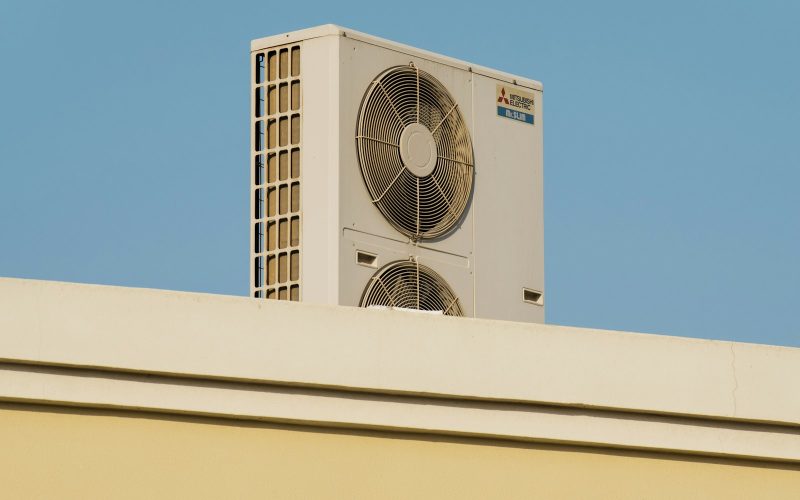
The best-value inverter heat pump for a ducted house with a tight place to put the outdoor unit, backed by the strongest…
Endeavor Line Prestige Series RP20 (RP18 / RP17 lower tiers)
Best for: Zone 3–5 homeowners who want connected controls and dual-fuel flexibility
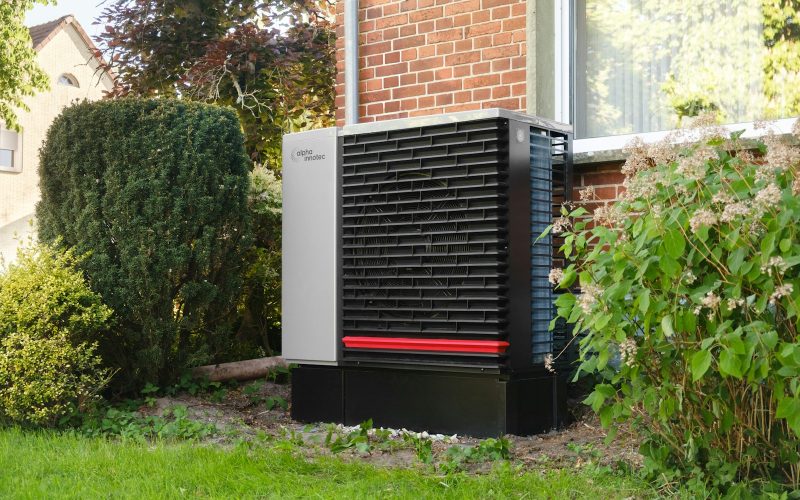
The most complete mid-priced variable-speed heat pump: real cold-weather data, a genuine control ecosystem and a unit replacement warranty.
IDS 2.0 / IDS Premium Connected (BOVA series); IDS Ultra cold-climate variant
Best for: Ducted homes wanting quiet inverter comfort without flagship pricing
The best value in ducted inverter heat pumps: flagship-class comfort and quiet for mid-tier money, provided you can find an experienced dealer.
Frequently asked questions
Only on its best matched combinations. SEER2 rates a matched outdoor unit and indoor coil or air handler together, so 22.5 requires a specific size paired with a premium Goodman variable-speed air handler. Most quoted GSZV9 systems land between 19 and 21 SEER2. Ask your contractor for the AHRI reference number for the exact combination before you sign.
The GSZV9 uses a variable-speed inverter compressor that modulates continuously and reaches up to 22.5 SEER2. The GSZH5 is a two-stage unit that runs at high or low capacity only and lands around 15 to 16 SEER2. The GSZV9 is quieter, dehumidifies better and costs more; the GSZH5 is the budget option for buyers who mainly want reliable, inexpensive equipment.
The GSZV9 itself uses R-410A. Goodman's 2025-and-newer inverter heat pumps, including the side-discharge GZV9S, GZV7S and GZV6S, use R-32, a lower-GWP A2L refrigerant. In 2026 you may be quoted either family depending on regional stock. The R-32 models are the better long-term buy because R-410A is being phased down.
It is adequate rather than exceptional. The inverter compressor holds capacity well through the 20s and 30s Fahrenheit, but Goodman does not publish a full-capacity figure at 5 degrees the way cold-climate specialists do. In climate zone 5 and colder, expect meaningful runtime from electric strip heat or a gas furnace as backup. The R-32 GZV9S lists heating operation down to roughly -20 degrees Fahrenheit.
Registered online within 60 days of installation, the GSZV9 carries a 10-year parts limited warranty and a 10-year unit replacement limited warranty. Without registration, coverage drops to five years. Neither term covers labor, so a covered compressor failure can still cost several hundred to over a thousand dollars in labor unless your contractor provides separate labor coverage.
Goodman has been owned by Daikin since 2012 and builds its equipment in Texas using Daikin compressor technology, which improved quality substantially. Its biggest practical advantage is parts: Goodman components are inexpensive and stocked almost everywhere, so repairs are fast and cheap. Installation quality still matters more to long-term reliability than the badge on the cabinet.
Sources

Heat Pump Reviews Editorial Team
Our editors research heat pumps full time: manufacturer specifications, AHRI and ENERGY STAR listings, published cold-climate performance data, warranty terms, installer feedback and owner reviews. We do not accept payment for placement, and every rating follows our published methodology.