Daikin FIT Heat Pump Review: The Compact Inverter That Fits Anywhere
Daikin's FIT is a side-discharge inverter heat pump that fits where other condensers cannot, backed by a 12-year registered warranty. Efficiency tops out near 18 SEER2, so cold-climate buyers should specify Aurora.

Editor’s verdict: The best-value inverter heat pump for a ducted house with a tight place to put the outdoor unit, backed by the strongest warranty in its price band.
The Daikin FIT is the practical, mid-priced inverter heat pump for a house that already has ductwork. It is a side-discharge unit — roughly the size and shape of a large suitcase standing on end — which lets it fit against a wall or in a side yard where a conventional top-discharge condenser will not go. Efficiency tops out around 17.5 to 18 SEER2, which is not class-leading, but the 12-year registered warranty and the compact footprint make it one of the better-value inverter systems on the market.
This review is based on manufacturer specifications, AHRI and ENERGY STAR listings, published performance data and owner feedback. We have not installed or measured the equipment ourselves.
Overview
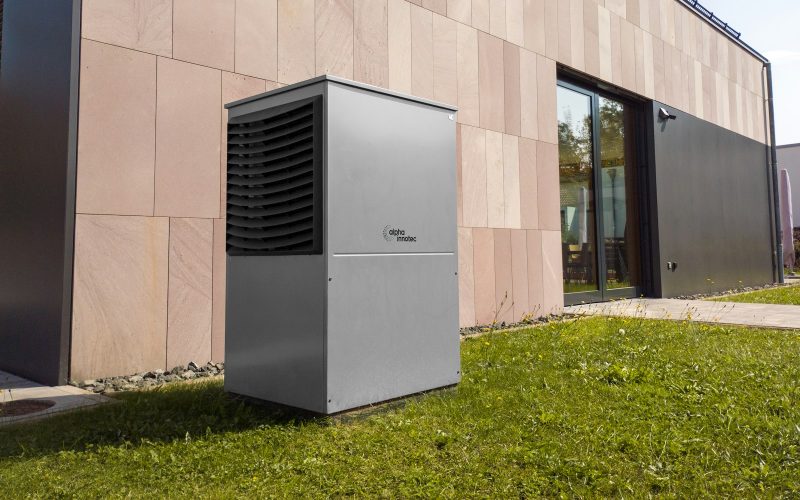
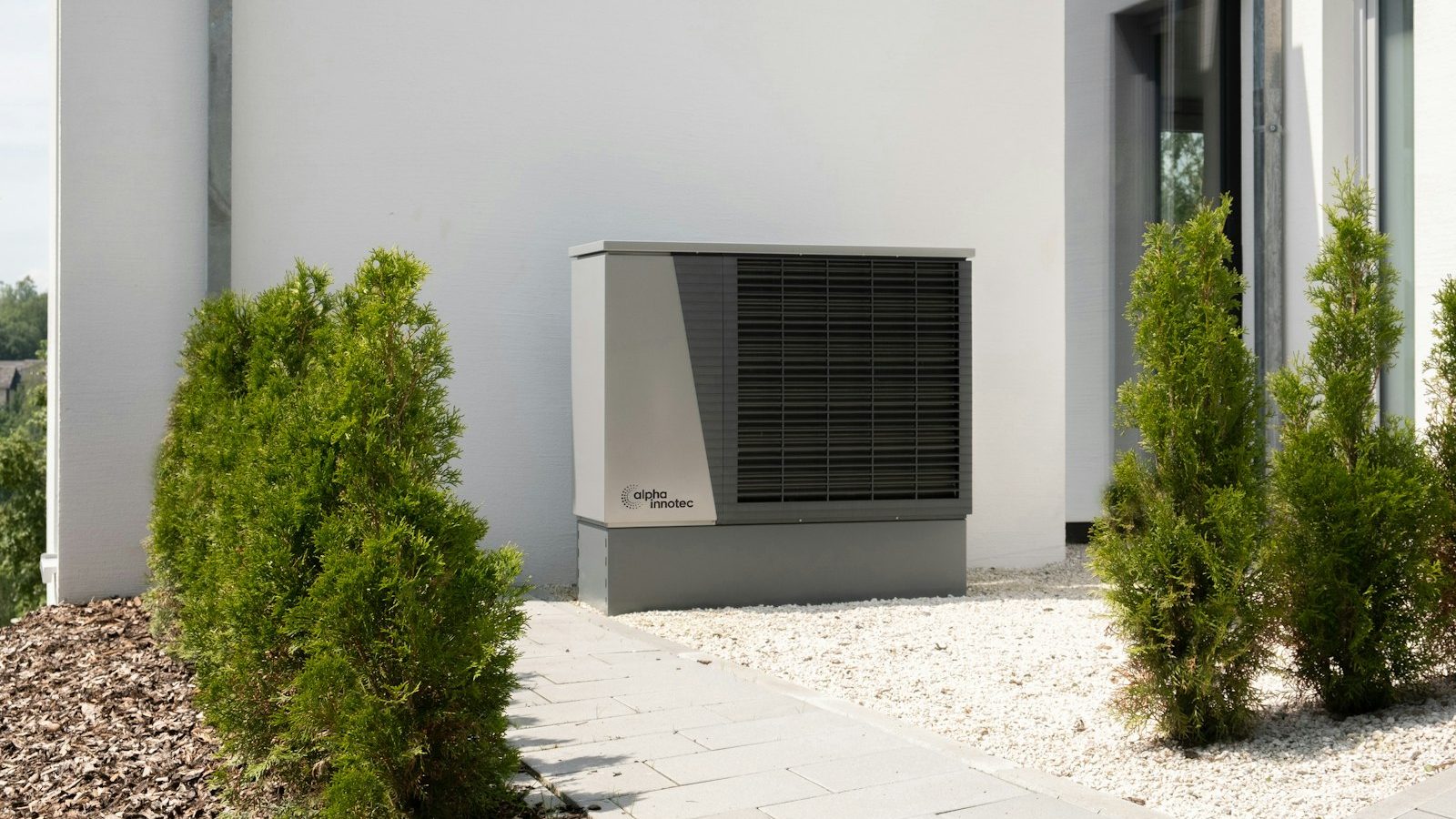
Daikin FIT is a split-system heat pump: an outdoor inverter unit paired with a matched Daikin air handler or coil-and-furnace combination. The defining feature is the cabinet. Instead of blowing air upward, the FIT discharges sideways through a tall, narrow shell that occupies roughly a third of the ground area of a traditional condenser.
That sounds cosmetic until you try to site a heat pump on a zero-lot-line property, under a deck, beside a walkway or in a side yard that a city setback rule already narrowed to four feet. In those situations the FIT is frequently the only inverter system that physically fits.
Model naming has shifted as Daikin moved to R-32 refrigerant. The long-running DZ17VSA is the model most contractors still quote by name; Daikin’s current catalog also lists the FIT heat pump under DH7VS naming. Ask which specific outdoor model and AHRI-matched indoor unit your quote covers, because the ratings move with the pairing.
| Daikin line | Positioning | Efficiency | Notes |
|---|---|---|---|
| FIT (DZ17VSA / DH7VS) | Compact ducted inverter | Up to about 17.5–18 SEER2 | Side-discharge; the value pick |
| FIT Aurora | Cold-climate ducted | Comparable SEER2, better low-temp output | Holds capacity much further down the curve |
| Atmosphera | Ductless single-zone | Up to about 27.4 SEER2 | Wall-mounted, R-32 |
| VRV Life | Variable refrigerant flow for homes | Varies by configuration | Mixes ducted and ductless zones, gas furnace optional |
Efficiency
The DZ17VSA is manufacturer-rated at up to 17.5 SEER2 and 8.6 HSPF2 in its best AHRI-matched combinations, and the broader FIT heat pump family is rated to roughly 18 SEER2. That places it above every single-stage system and comfortably inside ENERGY STAR territory, but below the flagship variable-speed units from Carrier, Lennox and Trane, which reach the low 20s.
The gap matters less than the spec sheet suggests. Most of the annual saving from an inverter system comes from eliminating on-off cycling, and the FIT does that just as thoroughly as a 22 SEER2 unit does. Going from 14 SEER2 to 17.5 SEER2 is a much larger jump in real bills than going from 17.5 to 22, and the second jump costs several thousand dollars more. Our explainer on SEER2, HSPF2 and COP covers why the top of the rating scale delivers diminishing returns.
Newer FIT equipment uses R-32 rather than R-454B. Daikin is the industry outlier here: R-32 is a single-component refrigerant with a GWP around 675, it does not fractionate on a leak, and it is slightly more efficient per pound of charge. Practically, it means your contractor needs Daikin-specific handling and a supply of R-32 rather than the R-454B most other brands moved to.
R-32 and R-454B are both A2L (mildly flammable) refrigerants and both require updated installation practice, leak detection in some configurations, and current tooling. Neither is a reason to prefer one brand over another — but a contractor who is not equipped for A2L work is a reason to get another quote.
Heating performance
Standard FIT is a good mild-to-moderate climate heater and a mediocre cold-climate one. The inverter compressor ramps up as outdoor temperature falls, which delays the point where electric backup engages, but capacity still tapers meaningfully by the time you are in the teens. In climate zone 5 and colder, expect the auxiliary heat strips or a dual-fuel furnace to carry a real share of the January load.
Daikin’s answer to that is the FIT Aurora line, an inverter-driven, communicating split system engineered to hold performance far lower — Daikin’s cold-climate Aurora equipment maintains full rated capacity down to about -4°F (-20°C). If you live somewhere with a design temperature below about 15°F and you want a Daikin, the Aurora is the version to specify, not the base FIT.
Daikin is also one of the manufacturers that advanced through the U.S. Department of Energy’s Residential Cold Climate Heat Pump Technology Challenge, with a new cold-climate model slated for manufacture in late 2026. That is worth knowing if your project can wait, but do not let a contractor sell you a 2026 install on the strength of a product that has not shipped.
Cooling performance
Cooling is where the FIT is most convincing. The variable-speed compressor spends most of the summer running at low speed for long stretches, which holds indoor temperature within about a degree and — more importantly — removes far more humidity than a single-stage unit that satisfies the thermostat in eight minutes and shuts off.
In humid climates the difference is easy to feel. Owners moving from a single-stage condenser routinely report being comfortable at a thermostat setting one to two degrees higher, because the air is drier. That is a direct operating-cost saving that never shows up in the SEER2 number.
Noise
Side-discharge geometry helps here. The FIT’s fan is smaller and the discharge is horizontal, so the sound signature is lower-pitched and less obtrusive than a large top-discharge fan, and the unit sits closer to the ground where fence lines and plantings block more of it. Published sound levels are in the mid-50s dB(A) at full speed, and low-speed operation — which is most of the time — is considerably quieter.
The practical caution is placement. Because it discharges sideways, the FIT needs clear space in front of the discharge grille. Tucking it into a tight corner with the outlet facing a wall will hurt both performance and noise. See heat pump noise explained for what to expect from a correctly sited unit.
Features and controls
FIT systems pair with Daikin One+ smart thermostats for scheduling, remote access, indoor air quality monitoring and equipment diagnostics that a dealer can read remotely. The communicating setup is genuinely useful for troubleshooting — a technician can often identify the fault before the truck arrives.
The FIT is also unusually flexible on the indoor side. It matches to Daikin air handlers, to gas furnaces for dual-fuel, and — through VRV Life — to a mixed system that runs ducted zones and ductless heads off shared infrastructure. If part of your house is ducted and part is not, that flexibility is worth more than a couple of SEER2 points.
Not sure which model fits your home? Start with our ranked picks for 2026.
Estimate Your Installed CostWarranty and reliability
Daikin’s warranty is the strongest argument for the brand at this price. Registered FIT systems carry a 12-year parts limited warranty, and many configurations add a 12-year unit replacement limited warranty — meaning a qualifying compressor failure gets you a new outdoor unit rather than a rebuilt one. Registration is required, generally within 60 days of installation, and labor is not included.
Against Carrier’s and Trane’s 10-year registered parts coverage, that is two extra years on a component that typically fails in year nine or ten if it is going to fail at all.
Reliability reputation is solid without being remarkable. Daikin manufactures much of this equipment in Texas, parts availability is good, and the failure reports that surface most often involve communicating-control configuration errors and improper charge on A2L systems — installation issues rather than design faults. Choosing a contractor with Daikin-specific training matters more here than with a conventional single-stage system.
Price and value
Typical installed prices in 2026, before incentives, with existing ductwork in serviceable condition:
- FIT heat pump with matched air handler, 2–3 ton: roughly $9,000–$14,000
- FIT heat pump, 4–5 ton: roughly $11,500–$17,000
- FIT Aurora cold-climate configuration: add roughly $1,500–$3,500
- Dual-fuel with a new Daikin gas furnace: roughly $13,000–$19,500
That undercuts a flagship Carrier or Lennox variable-speed system by several thousand dollars while delivering most of the comfort benefit. Value is where the FIT earns its rating.
On incentives: the federal 25C Energy Efficient Home Improvement credit — 30% up to $2,000 for heat pumps — was terminated for property placed in service after December 31, 2025, so a 2026 install does not qualify. State and utility programs are now where the money is. Mass Save, NYSERDA, TECH Clean California and state HEAR rebate programs all still list qualifying Daikin equipment; verify current status before you commit, and read our guide to what replaced the federal credit. Compare running costs first with the 2026 heat pump cost breakdown.
Who should buy it
The FIT is the right system for a ducted home in climate zones 2 through 5 that wants inverter comfort without flagship pricing, and especially for any property where the outdoor unit has to squeeze into a tight side yard, an alley, or a spot under a deck. It is also a strong pick for anyone who weights warranty heavily, because 12 years registered is the best coverage in this price band.
It is the wrong system if your design temperature is below about 10°F and you are not stepping up to Aurora, or if you are chasing the highest achievable SEER2 for a utility program that sets a hard efficiency floor above 18.
Alternatives
Bosch IDS 2.0 is the closest competitor on price and philosophy, and rates a little higher at up to 20.5 SEER2, with an IDS Ultra variant that heats to about -13°F. Bosch’s warranty is 10 years registered rather than 12.
Mitsubishi Hyper-Heating is the step up for genuinely cold climates or homes with partial ductwork — better heating curve, higher price, contractor-dependent warranty. Our Mitsubishi vs Daikin comparison covers the decision in detail.
Goodman GSZV9 is the budget alternative if the FIT’s quote comes in higher than expected; same corporate parent, lower price, shorter feature list.
Our recommendation
Buy the Daikin FIT if you have ducts, a tight place to put the outdoor unit, and winters that bottom out in the 20s. It delivers roughly 90% of the comfort of a flagship variable-speed system for meaningfully less money, and the 12-year registered warranty is the best in its class.
If you are in climate zone 5 or colder, do not buy the base FIT — specify the Aurora configuration or look at a dedicated cold-climate brand instead. And whichever way you go, register the system within 60 days. An unregistered Daikin drops to a much shorter warranty, and that is a self-inflicted loss.
Not sure which model fits your home? Start with our ranked picks for 2026.
See AlternativesPros and cons
What we like
- 12-year parts limited warranty when registered, plus unit replacement coverage on many configurations
- Side-discharge cabinet fits side yards and setbacks where a standard condenser will not
- True variable-speed inverter operation with excellent humidity control
- Costs several thousand dollars less installed than flagship variable-speed rivals
- Flexible indoor matching, including dual-fuel and mixed ducted/ductless via VRV Life
What to watch
- Efficiency tops out around 17.5–18 SEER2, below the low-20s flagships
- Base FIT loses meaningful capacity below the teens; cold climates need the Aurora version
- R-32 refrigerant means fewer contractors carry the right supply and tooling
- Communicating controls are sensitive to configuration errors at install
Key specifications
| Heating capacity | roughly 24,000–60,000 BTU/h (2–5 tons) |
|---|---|
| SEER2 | up to about 17.5 (DZ17VSA); roughly 18 across the FIT family |
| HSPF2 | up to about 8.6 |
| Min. operating temp | heats below freezing with declining capacity; FIT Aurora holds rated capacity to about -4°F |
| Noise (outdoor) | mid-50s dB(A) at full speed, notably quieter at low speed |
| Refrigerant | R-32 on newer FIT equipment |
| Warranty | 12 yr parts limited when registered; 12 yr unit replacement on many configurations; labor not included |
| Typical installed price | $9,000–$14,000 for 2–3 tons; $11,500–$17,000 for 4–5 tons (2026, before incentives) |
Ratings vary by capacity and matched indoor unit. Confirm the exact AHRI-matched combination your contractor quotes.
Alternatives worth comparing
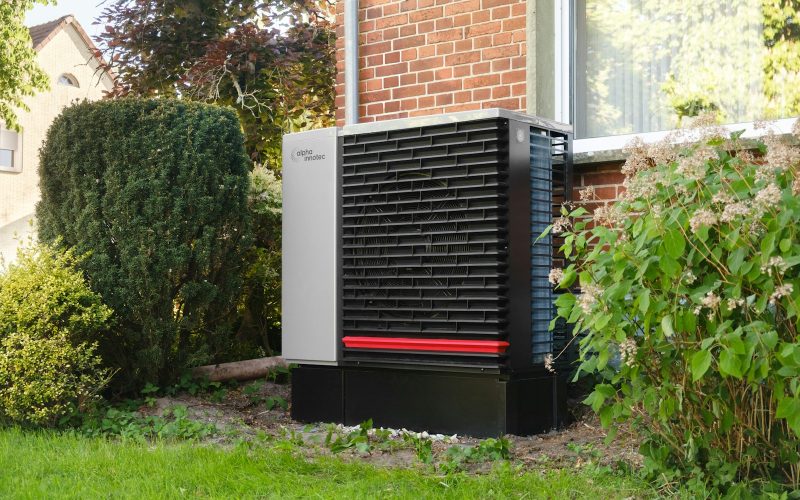
IDS 2.0 / IDS Premium Connected (BOVA series); IDS Ultra cold-climate variant
Best for: Ducted homes wanting quiet inverter comfort without flagship pricing
The best value in ducted inverter heat pumps: flagship-class comfort and quiet for mid-tier money, provided you can find an experienced dealer.

Hyper-Heating H2i / H2i plus (MSZ-FS, MXZ, SVZ/PVA, intelli-HEAT)
Best for: Cold climates and homes without complete ductwork
The most dependable cold-climate heat pump platform sold in the U.S., provided you buy it through a Diamond Contractor and accept a…
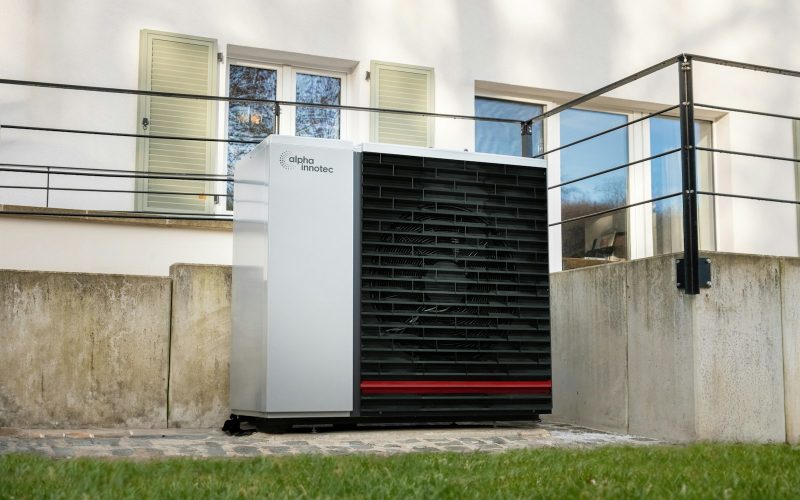
GSZV9 (and 2025+ R-32 GZV9S side-discharge sibling)
Best for: Value-focused buyers in mild to moderate climates who want inverter comfort
A Daikin variable-speed compressor in a budget cabinet, delivering most of a flagship's comfort for roughly 60% of the price.
Frequently asked questions
The DZ17VSA is manufacturer-rated at up to 17.5 SEER2 and 8.6 HSPF2 in its best AHRI-matched combinations, and the wider FIT heat pump family reaches roughly 18 SEER2. That is well above any single-stage system but below the low-20s SEER2 flagships from Carrier, Lennox and Trane. Actual ratings depend on which indoor unit is matched to the outdoor unit, so confirm the AHRI pairing on your quote.
The FIT is a side-discharge unit rather than a top-discharge one. It blows air horizontally through a tall, narrow cabinet that occupies roughly a third of the ground area of a conventional condenser. That lets it fit in side yards, alleys, zero-lot-line properties and under decks. It does need clear space in front of the discharge grille, so it cannot be tucked into a corner facing a wall.
Newer Daikin FIT equipment uses R-32. Daikin is the main U.S. residential holdout from R-454B, which most competitors adopted. R-32 is a single-component A2L refrigerant with a global warming potential around 675 that does not fractionate on a leak. Both refrigerants require A2L-rated tooling and current installation practice, so check that your contractor is equipped for it.
Registered FIT systems carry a 12-year parts limited warranty, and many configurations add a 12-year unit replacement limited warranty covering a qualifying compressor failure with a new outdoor unit. Registration is generally required within 60 days of installation. Labor is not covered unless your contractor sells a separate labor plan.
The standard FIT is best suited to climate zones 2 through 5 with design temperatures around 15°F or warmer. Below that, capacity tapers and backup heat carries a real share of the load. Daikin's FIT Aurora line is the cold-climate version and maintains full rated capacity down to about -4°F. Specify Aurora rather than base FIT if your winters are genuinely cold.
With serviceable existing ductwork, expect roughly $9,000–$14,000 for a 2–3 ton FIT with a matched air handler and $11,500–$17,000 for 4–5 tons (2026, before incentives). Aurora adds about $1,500–$3,500. The federal 25C tax credit ended for systems placed in service after December 31, 2025, so check state and utility rebates instead.
Sources

Heat Pump Reviews Editorial Team
Our editors research heat pumps full time: manufacturer specifications, AHRI and ENERGY STAR listings, published cold-climate performance data, warranty terms, installer feedback and owner reviews. We do not accept payment for placement, and every rating follows our published methodology.