Fujitsu Halcyon XLTH Review: Full Heat at 3°F, Operation to -15°F
Fujitsu's XLTH series holds rated heating capacity to 3°F and keeps running to -15°F, with wall, floor and slim-duct indoor options and a 12-year registered warranty.

Editor’s verdict: The most credible alternative to Mitsubishi Hyper-Heating, with documented full capacity at 3°F and slim-duct options that hide the hardware.
The Fujitsu XLTH series is one of the few mini-splits engineered to keep heating when the thermometer reads -15°F, and it holds its full rated heating capacity down to roughly 3°F. That combination, plus a 12-year parts and compressor warranty on registered professional installs, makes it the most credible alternative to Mitsubishi’s Hyper-Heating for homes in genuinely cold regions. This review is based on manufacturer specifications, AHRI and ENERGY STAR listings, NEEP cold-climate listings and owner feedback, not hands-on testing.
Overview
XLTH stands for Extra Low Temperature Heating, and it is Fujitsu General’s designation for outdoor units built specifically for cold-climate operation. The hardware differences from a standard mini-split are concrete: a larger outdoor heat exchanger, a higher-capacity compressor, drainage holes in the base pan and a base pan heater that keeps meltwater from refreezing into a block of ice under the coil during defrost cycles. That last item is what separates a genuine cold-climate unit from one that merely claims a low operating temperature.
One naming point that confuses buyers: in late 2022 Fujitsu General began rebranding its Halcyon ductless line as AIRSTAGE. The equipment is the same family; you will see XLTH systems listed as Halcyon XLTH, Airstage XLTH, or by their model prefixes. Older XLTH wall-mount systems carry RLS3H or RLS3HY designations; current wall-mount and multi-zone XLTH products use RLXFWH, RLFFH (floor mount) and RLXFZH (multi-zone outdoor) prefixes, among others. Confirm the exact model number on your quote.
The line covers single-zone wall-mount systems from roughly 9,000 to 24,000 BTU/h, floor-mounted consoles, slim-duct air handlers for concealed installations, and multi-zone outdoor units serving two to four heads. The slim-duct option is what makes Fujitsu practical where wall cassettes are unacceptable: a low-profile air handler tucked into a soffit, closet or attic feeding two or three rooms through short duct runs.
XLTH configuration options
| Indoor type | Typical use | Zones served | Visibility |
|---|---|---|---|
| Wall mount | Living rooms, bedrooms, open plans | One per head | Visible high on wall |
| Floor console | Under windows, rooms with no wall space | One per unit | Visible at floor level |
| Slim duct | Bedroom wings, finished basements | Two to three rooms | Hidden; grilles only |
| Multi-zone outdoor | Whole-home retrofits | Two to four indoor units | One outdoor unit |
Efficiency
Fujitsu’s XLTH systems are among the most efficient ductless products sold in North America, but the published numbers need careful reading. Legacy single-zone XLTH wall-mount systems were rated as high as 29.3 SEER and 14.0 HSPF under the older test procedure, and Fujitsu has cited figures up to roughly 33 SEER for its most efficient mini-splits. Those are pre-2023 metrics and are not directly comparable to SEER2 and HSPF2.
Under the current SEER2 and HSPF2 procedure, expect current single-zone XLTH systems to land in the low-to-high 20s SEER2 in the smaller capacities, and multi-zone XLTH outdoor units to rate around 20.5 SEER2. HSPF2 figures on cold-climate mini-splits generally run between roughly 9 and 11.5, with the higher figures on small single-zone systems. Because the exact rating depends on which indoor heads are attached, verify the AHRI-certified rating for your specific proposed combination rather than relying on a brochure headline. Our SEER2 and HSPF2 explainer covers why multi-zone ratings almost always land below single-zone ratings.
One thing is not in dispute: inverter mini-splits are dramatically more efficient than electric resistance heat, typically by a factor of two and a half to three even in cold weather. If you are displacing baseboard heaters, the efficiency argument holds regardless of which SEER2 figure applies.
Heating performance
This is the reason to buy an XLTH. Fujitsu states that XLTH outdoor units maintain rated heating capacity down to 3°F and continue operating to -15°F, which Fujitsu has described as the lowest operating temperature among mini-splits.
Full capacity at 3°F is a stronger published claim than most of the market makes. In Minneapolis, Burlington or Buffalo, a properly sized XLTH will still deliver its nameplate BTU output on a typical January morning rather than falling to 60–70% the way a conventional heat pump does. Between 3°F and -15°F output tapers but the system keeps running, which is what prevents a cold snap from becoming an emergency.
The base pan heater matters more than spec sheets suggest. In a cold, wet climate, defrost cycles produce water that freezes at the base of the outdoor unit, and without a base heater that ice accumulates until it blocks airflow or damages the fan. Any heat pump installed in a snowy region should have one and should sit on a bracket or stand 12–18 inches above expected snow depth. Our cold-climate guide covers those details.
A cold-climate rating is only useful if the system is sized to your design heating load, not your cooling load. Undersized mini-splits are the single most common cause of “my heat pump does not work in winter” complaints. Insist on a Manual J load calculation and see our sizing guide.
Cooling performance
Cooling is almost an afterthought for a unit engineered around heating, but the XLTH does it well. The inverter compressor modulates down to a small fraction of rated capacity, so on mild days the system runs continuously at low output rather than cycling, producing steady temperatures and good latent (moisture) removal.
The trade-off is specific to oversized cold-climate equipment. Size the system to carry a hard winter and you may end up with more cooling capacity than a mild summer needs, which causes short-cycling and poor dehumidification in July. In humid climates with cold winters, the usual fix is to split the load across two smaller indoor units rather than one oversized wall head, so each can modulate down further.
Noise
Ductless mini-splits are the quietest heat pumps sold, and Fujitsu is competitive within that class. Indoor wall units on modern Airstage products typically publish minimums around the low 20s dB(A) on the lowest fan speed, close to the threshold of a quiet bedroom at night. Outdoor units generally publish minimums in the high 40s to mid 50s dB(A).
What owners notice is not the decibel figure but the character of the sound: continuous, low-frequency airflow rather than start-stop cycling. In very cold weather the outdoor unit runs at high compressor speeds far more of the time, so a system that is inaudible in October will be clearly audible in January; plan the outdoor unit location accordingly. Our noise explainer covers how published ratings translate to what you actually hear.
Not sure which model fits your home? Start with our ranked picks for 2026.
See AlternativesFeatures and controls
Fujitsu’s feature set is functional rather than showy. Current Airstage wall units include built-in wireless LAN on many models, controlled through Fujitsu’s own app for scheduling, mode changes and remote operation, with support for voice assistants on compatible models. Wired wall controllers are available and are the better choice for slim-duct installations where there is no indoor head to point a remote at.
Fujitsu’s app and interface are widely described as adequate but dated compared with Mitsubishi’s kumo cloud or Daikin’s platform. Third-party gateways such as CoolAutomation or Airzone are commonly used to bring Fujitsu systems into a whole-home automation setup; if integrated smart-home control is a priority, budget for one. Other practical features include a washable filter, an economy mode that limits power draw, and a low-ambient cooling option on some models.
Warranty and reliability
Fujitsu offers a 12-year parts and compressor limited warranty when the system is installed by a licensed contractor in a residential application and registered online after installation. Registration is not optional; the base warranty without it is substantially shorter. Fujitsu’s Elite Contractor program is the dealer tier associated with the longest terms and the best support, so ask whether your installer holds that designation before you sign.
Labor is not covered by the manufacturer term. Elite contractors often bundle their own labor warranty, and on a mini-split that is worth having, because refrigerant-side diagnostics on a ductless system require specific tools and experience.
Fujitsu’s field reliability record is generally strong, and the brand is a common second choice among contractors who otherwise specify Mitsubishi. The most frequent complaints in owner feedback are not about the equipment but about installation quality and about finding a technician willing to service the brand outside metropolitan areas. Check local service availability first, because a 12-year warranty is worth little if nobody nearby will honor it.
On refrigerant: legacy XLTH models used R-410A, and Fujitsu’s newer Airstage products, including multi-zone lines such as Aquila, have moved to R-32 as part of the industry-wide A2L transition. Which one you get depends on the specific model and its production date, so confirm it on the submittal sheet. Our refrigerant transition guide explains why the newer refrigerant is the better long-term buy.
Price and value
A single-zone XLTH system professionally installed typically runs $5,000–$8,500 (2026, before incentives), depending on capacity, line-set length and electrical work. Multi-zone systems serving three or four areas commonly land between $13,000 and $26,000, with slim-duct configurations at the higher end because of the ducting labor.
That is premium pricing, roughly comparable to Mitsubishi and well above budget ductless brands. What you are buying is documented cold-weather capacity, the 12-year warranty and a trained dealer network. Where the alternative is electric resistance heat or oil, the operating-cost savings can justify it over a 15-year life; in a mild climate the premium is much harder to defend.
The federal 25C tax credit, which returned 30% up to $2,000 on qualifying heat pumps, was terminated for equipment placed in service after December 31, 2025. Cold-climate states tend to have the strongest remaining programs, including Mass Save, NYSERDA and various northern utility rebates, several of which specifically target cold-climate-rated equipment. Verify current terms in your ZIP code, and see our 2026 cost guide for regional figures.
Who should buy it
The XLTH is for homeowners in climate zones 5 through 7 who want ductless or lightly ducted heating that works without fossil backup. It suits older homes with no ductwork, additions and finished basements, and households displacing oil, propane or electric baseboard heat. The slim-duct option makes it one of the better choices for buyers who want cold-climate performance without visible wall cassettes in every room.
It is the wrong pick in a mild climate, where a much cheaper standard mini-split delivers the same comfort, for buyers who want deep smart-home integration out of the box, or for anyone in an area with no Fujitsu-trained technicians.
Alternatives
Mitsubishi Hyper-Heating (H2i) is the direct competitor and the market benchmark, with 100% of rated capacity at 5°F, operation to -13°F, a stronger app ecosystem and a broader service network. Pricing is similar; the deciding factor is usually which brand has better contractor support where you live.
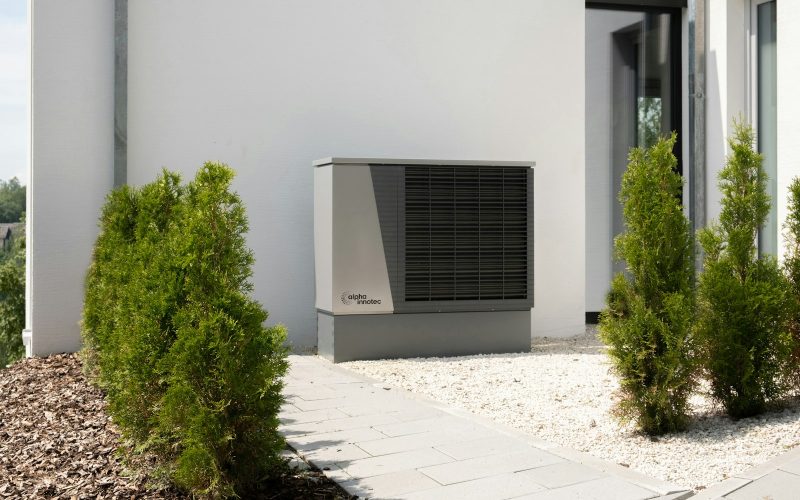
Daikin FIT is a ducted alternative for homes that already have functional ductwork and would rather not install indoor heads. It gives up some cold-weather capability in exchange for a conventional whole-home distribution system.
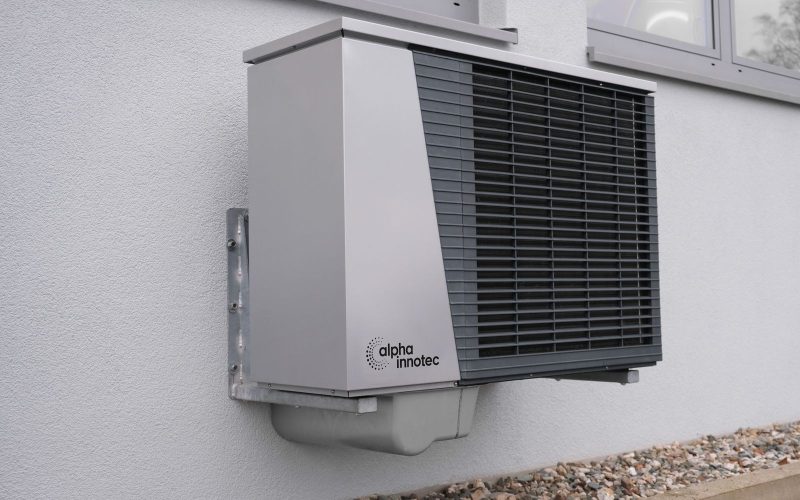
Senville AURA is the budget cold-climate option, claiming heating operation to -22°F for a fraction of the price. It lacks Fujitsu’s documentation depth, warranty length and dealer network, but for a garage, workshop or single problem room the value is hard to argue with.
Our recommendation
Buy the Fujitsu XLTH if you live somewhere genuinely cold and want a ductless system that will still be producing full rated heat on a 3°F morning. The published capacity data, the base pan heater, the slim-duct options and the 12-year registered warranty add up to a system you can reasonably expect to be your primary heat source rather than a shoulder-season assist.
Two conditions before you commit. Confirm that a trained Fujitsu contractor operates in your area and ask whether they hold Elite status, because both the warranty length and your service experience depend on it. And insist on a Manual J load calculation plus the AHRI-certified SEER2 and HSPF2 for the exact combination quoted, since multi-zone ratings run well below the single-zone headline numbers. If your winters are mild, buy a standard mini-split instead.
Not sure which model fits your home? Start with our ranked picks for 2026.
Find the Best Heat Pump for Your HomePros and cons
What we like
- Maintains rated heating capacity down to about 3°F and operates to -15°F
- Base pan heater and base drainage prevent defrost ice buildup in snowy climates
- Wall, floor console and slim-duct indoor options, including concealed installations
- 12-year parts and compressor warranty on registered licensed-contractor installs
- Very quiet indoor units and low-frequency continuous operation rather than cycling
- Among the most efficient ductless products sold in North America
What to watch
- Premium pricing, roughly on par with Mitsubishi and well above budget ductless brands
- App and control interface are dated compared with Mitsubishi and Daikin platforms
- Service technicians trained on the brand are scarce outside metropolitan areas
- Multi-zone efficiency ratings fall well below the single-zone headline numbers
Key specifications
| Heating capacity | Roughly 9,000–24,000 BTU/h single zone; multi-zone outdoor units serve 2–4 heads |
|---|---|
| SEER2 | up to roughly the mid-20s single zone; about 20.5 on multi-zone outdoor units |
| HSPF2 | roughly 9–11.5 depending on model and match |
| Rated heating at 5°F | Rated capacity maintained down to about 3°F |
| Min. operating temp | -15°F (heating) |
| Noise (indoor) | as low as roughly the low 20s dB(A) on minimum fan speed |
| Noise (outdoor) | typically high 40s to mid 50s dB(A) |
| Refrigerant | R-410A on legacy XLTH models; R-32 on newer Airstage products |
| Cold-climate hardware | Base pan heater, base drainage holes, enlarged heat exchanger |
| Warranty | 12 yr parts & compressor with registered licensed-contractor install; labor not included |
| Typical installed price | $5,000–$8,500 single zone; $13,000–$26,000 multi-zone (2026, before incentives) |
Ratings vary by capacity and matched indoor unit. Confirm the exact AHRI-matched combination your contractor quotes.
Alternatives worth comparing

Hyper-Heating H2i / H2i plus (MSZ-FS, MXZ, SVZ/PVA, intelli-HEAT)
Best for: Cold climates and homes without complete ductwork
The most dependable cold-climate heat pump platform sold in the U.S., provided you buy it through a Diamond Contractor and accept a…
Daikin FIT (DZ17VSA / DH7VS series)
Best for: Ducted homes in mild to moderate climates with limited outdoor space
The best-value inverter heat pump for a ducted house with a tight place to put the outdoor unit, backed by the strongest…
AURA series (SENA); LETO budget line
Best for: Budget buyers who can source their own licensed installer
Competent cold-weather ductless at roughly half the installed cost of a name brand, provided you can find a technician to install it.
Frequently asked questions
Fujitsu states that XLTH outdoor units operate in heating down to -15°F and maintain their rated heating capacity down to about 3°F. Between 3°F and -15°F, output tapers but the system keeps running. The units include a base pan heater and base drainage holes to prevent defrost meltwater from freezing under the coil, which matters as much as the temperature rating in snowy regions.
Yes. In late 2022 Fujitsu General began rebranding its Halcyon ductless line as AIRSTAGE. The equipment families are the same, so you will see the same XLTH systems listed under either name depending on how old the listing is. What matters is the model prefix on the quote, such as RLS3H, RLXFWH, RLFFH or RLXFZH, not the marketing brand name.
Legacy single-zone XLTH systems were rated as high as 29.3 SEER and 14.0 HSPF under the older test procedure, which does not translate directly to SEER2 and HSPF2. Under the current procedure, expect single-zone systems in the low-to-high 20s SEER2 and multi-zone XLTH outdoor units around 20.5 SEER2, with HSPF2 generally between roughly 9 and 11.5. Verify the AHRI-certified rating for your exact indoor and outdoor combination.
A 12-year parts and compressor limited warranty is available when the system is installed by a licensed contractor in a residential application and the online product registration is submitted. Registration is required; without it the term is substantially shorter. Fujitsu's Elite Contractor tier is associated with the longest terms and best support. Labor is not covered by the manufacturer, so ask about your installer's own labor warranty.
It depends on the model and production date. Legacy XLTH systems used R-410A. Fujitsu's newer Airstage products, including multi-zone lines such as Aquila, have moved to R-32 as part of the industry-wide A2L refrigerant transition that began in 2025. Confirm the refrigerant on the submittal sheet for the exact model you are quoted; the R-32 units are the better long-term buy.
Yes. The XLTH line includes slim-duct air handlers designed to hide in a soffit, closet or attic and feed two or three rooms through short duct runs, leaving only supply and return grilles visible. Floor-mounted consoles are also available for rooms with no usable wall space. Slim-duct installations cost more in labor than wall cassettes but solve the aesthetic objection most homeowners raise about ductless systems.
Sources

Heat Pump Reviews Editorial Team
Our editors research heat pumps full time: manufacturer specifications, AHRI and ENERGY STAR listings, published cold-climate performance data, warranty terms, installer feedback and owner reviews. We do not accept payment for placement, and every rating follows our published methodology.