Replacing Electric Baseboard Heat With a Heat Pump: Savings, Layout and Rebates
Electric baseboards turn one unit of electricity into one unit of heat; a heat pump does two to three times better. Savings, layout tips, and why baseboard homes still qualify for big rebates.

If you heat with electric baseboards, a heat pump is the biggest upgrade in the house
Baseboard heaters turn every unit of electricity into one unit of heat. A heat pump moves heat instead of making it, and the US Department of Energy says it can cut the electricity used for heating by roughly 65 percent compared with baseboards. You also get air conditioning, and you don’t need to add ducts.
Replacing electric baseboard heat with a ductless heat pump typically cuts heating electricity use by half or more, adds efficient air conditioning, and needs no ductwork. Most homes start with one or two indoor units in the main living spaces and keep some baseboards as backup.
Baseboard homes are also the group that still qualifies for the largest federal-funded rebates in 2026. The program’s new rules cover upgrading electric heat to a heat pump, but no longer cover switching from gas. 💡
If your home has those long metal heaters running along the bottom of the walls, you already know two things about them. They’re quiet and simple, and they’re expensive to run. Every winter bill reminds you.
There’s a good reason for that. Electric baseboards are what’s called electric resistance heat. Electricity runs through a heating element, the element gets hot, and that’s it. One unit of electricity in, one unit of heat out. It’s 100 percent efficient, which sounds great until you learn that a heat pump can routinely deliver two to three units of heat, or more, for every unit of electricity, because it’s moving heat from outside rather than making it.
You’re not alone in this situation. RMI, an energy research nonprofit, estimates that more than 25 million US homes, about one in five, are heated mainly by electric resistance. This guide covers what switching involves, how much you might save, how to lay out the system, and what to do with the old baseboards.
What’s in this guide
- Why baseboards cost so much to run
- How much you can realistically save
- Your heat pump options
- Laying it out: how many indoor units?
- What to do with the old baseboards
- The electrical side
- Rebates: baseboard homes are the big winners
- 6 mistakes baseboard converts make
- Frequently asked questions
- Your final checklist
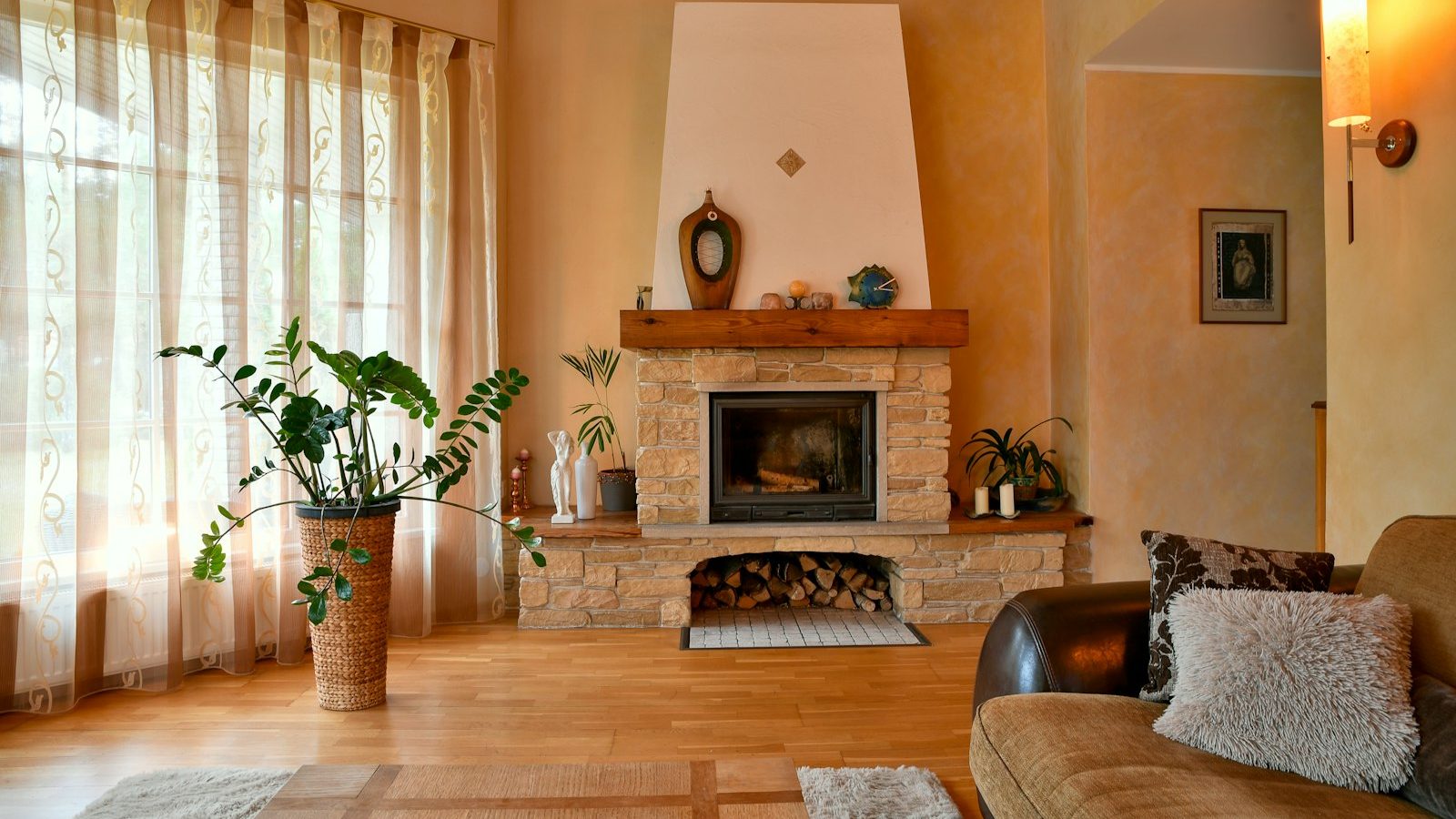
Alt text: “Living room with an electric baseboard heater and a newly installed ductless mini-split heat pump”
Why baseboards cost so much to run
The efficiency of heating equipment is often described by something called the coefficient of performance, or COP. It’s just the heat you get out divided by the electricity you put in.
- Electric baseboard: COP of 1. One unit in, one unit out, every time, no matter the weather.
- Heat pump: COP that changes with the outdoor temperature. In mild weather it can be 3 or 4. In very cold weather it drops, but a good cold-climate heat pump still usually beats 1 by a wide margin.
Over a whole winter, that difference adds up. Our explainer on SEER2, HSPF2 and COP goes deeper into how heat pump efficiency is rated.
Baseboards convert all their electricity into heat, which is why they’re called 100 percent efficient. A heat pump beats that by moving extra heat in from outdoors, so its efficiency is measured in multiples, not percentages.
Baseboards have a comfort downside too. They heat the air next to them, which rises, so heat tends to collect near the ceiling and near the heater. A heat pump’s fan spreads warmth around the room more evenly.
A baseboard heater is a toaster on your wall. A heat pump is a refrigerator running in reverse. That’s the whole difference in your bill.
— The simplest way to explain it
How much you can realistically save
The headline numbers from reputable sources:
- The US Department of Energy says today’s heat pump can reduce electricity use for heating by approximately 65 percent compared with electric resistance heating such as baseboards and electric furnaces.
- ACEEE, the American Council for an Energy-Efficient Economy, studied nearly 2,000 US homes with electric resistance heat and found that converting to heat pumps would cut heating electricity use by a little over half on average.
Real-world results usually land somewhere in that range. They depend on how cold your winters are, how well your home is insulated, how much of the home the heat pump actually covers, and how you use the leftover baseboards.
Here’s an example to show how the math works. These are illustrative numbers, not a promise.
| Example home | Baseboards only | Heat pump (avg. COP 2.5) |
|---|---|---|
| Heating electricity per year | 10,000 kWh | 4,000 kWh |
| Cost at 17¢/kWh | $1,700 | $680 |
| Estimated yearly heating savings | — | About $1,020 (60%) |
| Air conditioning | None, or window units | Included, more efficient |
To run the numbers for your own home, find your winter kilowatt-hour usage on a few utility bills and compare it with a summer month. The difference is roughly your heating use. Our heat pump cost calculator can help with the installed-cost side.
A heat pump only saves money on the heat it produces. If you install one unit in the living room but keep running baseboards in every other room, your savings shrink. Plan the layout so the heat pump covers most of your heating needs.
Your heat pump options
Most baseboard homes don’t have ducts, which is actually convenient. You get to choose the system that fits your layout rather than working around existing ductwork.
| Option | Best for | Trade-offs |
|---|---|---|
| Single-zone ductless mini-split | Open-plan homes, a main living area, small homes | One room gets the most benefit; closed-off rooms may need backup |
| Multi-zone ductless (one outdoor unit, several heads) | Homes with several distinct rooms | Each head adds cost; oversizing small rooms is common |
| Several single-zone systems | Larger homes, or where rooms need different settings | More outdoor units, but each can be sized precisely |
| Ducted mini-split (concealed air handler) | A floor or group of rooms where you can run short ducts | Needs space for an air handler and short duct runs |
| Window heat pump | Apartments, single rooms, renters | Lower cost and no installer needed on some models; limited capacity |
For most houses, ductless mini-splits are the go-to. Our roundup of the best mini-split heat pumps covers pro-installed, DIY and budget options, and our small homes guide covers compact spaces. If winters are harsh where you live, look closely at cold-climate models like the Mitsubishi Hyper-Heating line, or the budget-friendly Senville AURA.
If exterior units aren’t allowed, window heat pumps are a newer option. RMI notes they can cost roughly a third less than comparable systems, and renters can take them when they move.
Laying it out: how many indoor units?
This is where good installers earn their money. The goal is enough coverage to do most of the heating, without paying for heads that are too big for the rooms they’re in.
A common approach is “core first.” You put an indoor unit in the main living area, where you spend most of your waking hours and where heat can spread to open adjoining spaces. That often handles a large share of the home’s heating. Then you decide about the rest:
- Bedrooms with doors usually closed may not get enough heat from a living room unit. You can keep baseboards there as backup, or add a small head.
- Upstairs floors often need their own unit, since heat from downstairs isn’t always enough.
- Very small rooms can be a problem for multi-zone systems. The smallest indoor heads are often bigger than a small bedroom needs, which can cause short cycling.
Insist on a room-by-room load calculation rather than rules of thumb. Our sizing guide explains what that involves. For more on how ductless systems compare with ducted ones, see our ducted vs. ductless guide.
Leaving bedroom doors open, or adding transfer grilles between rooms, can help heat from a central indoor unit reach spaces it otherwise wouldn’t. Ask your installer whether that’s realistic in your layout.
Many baseboard-heated homes are older and drafty. Sealing the attic and adding insulation before the heat pump is sized can shrink the system you need and stretch the savings further. Our guide to air sealing before a heat pump covers where to start.
What to do with the old baseboards
You don’t have to rip them all out. In fact, keeping some is often smart.
Keep them as backup. In rooms the heat pump doesn’t reach well, or for the coldest nights of the year, baseboards make a reliable, simple backup. You already own them, and they cost nothing to keep.
Set them lower than the heat pump. This is the key trick. If your heat pump is set to 70°F and the baseboard thermostat in the same room is set to 72°F, the baseboards will run constantly and wipe out your savings. Set each baseboard thermostat a few degrees below the heat pump’s setting, so baseboards only come on if the heat pump can’t keep up.
A small label with the setting that works for your home stops anyone from cranking a baseboard back up on a chilly evening and quietly undoing your savings.
Remove them where they’re not needed. In rooms fully covered by a heat pump, removing baseboards frees up wall space for furniture. An electrician can safely disconnect them.
Watch out for line-voltage thermostats. Many baseboards use simple dial thermostats that are often inaccurate. Replacing them with better line-voltage thermostats, installed by an electrician, can make backup heat more precise.
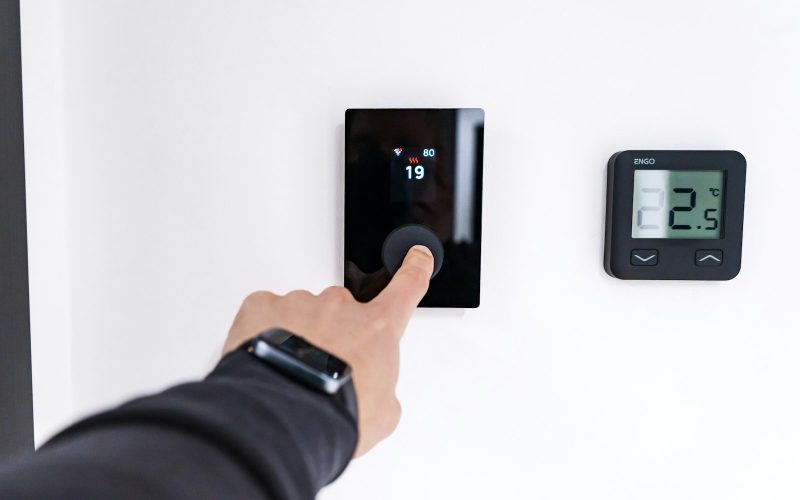
Alt text: “Setting a baseboard thermostat lower than the heat pump so the heat pump does most of the heating”
The electrical side
Baseboard homes often have an advantage here. Electric baseboards use 240-volt circuits, so your panel is already set up for significant electric heating. Replacing baseboards with a heat pump usually reduces your peak electrical load, because the heat pump needs much less power to produce the same heat.
That said, a heat pump still needs its own properly sized circuit for the outdoor unit. Whether an existing baseboard circuit can be repurposed depends on the heat pump’s electrical requirements and the wire size, and that’s a decision for a licensed electrician. Ask about it during the quote. It can sometimes save money.
Reusing or modifying a 240-volt baseboard circuit involves wire size, breaker size and code requirements. Getting any of them wrong is a fire risk.
If you keep some baseboards as backup, make sure your panel can handle both the heat pump and the remaining baseboards running together on the coldest night.
Rebates: baseboard homes are the big winners
The federal Section 25C tax credit ended for heat pumps placed in service after December 31, 2025, so it’s not available for 2026 installations. Our explainer on what replaced the federal credit covers that change.
But baseboard homes are in a better position than most for the money that’s left:
- Federally funded, state-run rebates (HEEHR). Under guidance the Department of Energy issued in May 2026, these rebates now cover upgrading existing electric equipment to more efficient electric equipment, and no longer cover switching from gas or oil. Replacing electric baseboards with a heat pump is exactly what the program now targets. The rebates are income-limited, generally up to 150 percent of area median income, and the statute caps a heat pump rebate at $8,000. Availability depends heavily on your state.
- Utility conversion rebates. Some utilities, particularly in the Pacific Northwest and Northeast, offer rebates specifically for converting electric resistance heat to heat pumps. Check your electric utility’s website.
- State programs. Some states offer their own rebates or low-interest financing.
Our heat pump rebates guide walks through finding and stacking these programs.
Many rebate programs require pre-approval or a participating contractor, and installing first can cost you the rebate. See our step-by-step guide to claiming a heat pump rebate.
6 mistakes baseboard converts make
❌ Mistake 1: Leaving baseboard thermostats set high
Baseboards and heat pump fight each other, and the baseboards win, along with your electric bill.
❌ Mistake 2: Expecting one head to heat the whole house
One living room unit won’t push heat into closed bedrooms or up a staircase reliably.
❌ Mistake 3: Oversizing heads for small rooms
A head that’s too big for a small bedroom short-cycles and never runs efficiently.
❌ Mistake 4: Choosing a non-cold-climate unit in a cold region
Standard units lose capacity quickly in deep cold, pushing you back onto baseboards.
❌ Mistake 5: Skipping the rebate research
Baseboard homes may qualify for some of the largest remaining incentives, but you usually have to apply before work starts.
❌ Mistake 6: Ripping out every baseboard right away
Without backup, one extreme cold snap or one heat pump fault can leave you without heat.
Frequently asked questions
How much can I save replacing baseboard heat with a heat pump?
The US Department of Energy says a heat pump can reduce heating electricity use by about 65 percent compared with electric resistance heat, and ACEEE’s research found savings of a little over half on average. Your results depend on climate, insulation, how much of the home the heat pump covers and your electricity rate.
Do I need ductwork to replace baseboards?
No. Ductless mini-splits are designed for homes without ducts. An outdoor unit connects to one or more indoor units through a small hole in the wall.
Should I remove my baseboard heaters?
Not necessarily. Many homeowners keep baseboards in rooms the heat pump doesn’t reach well, or as backup for the coldest nights. Set them a few degrees below the heat pump so they only come on when needed.
Will one mini-split heat my whole house?
In a small, open-plan home, sometimes. In most homes with separate rooms and closed doors, one unit handles the main living area and other rooms need their own heads or backup baseboards.
Are there rebates for replacing electric baseboard heat?
Often, yes. The federally funded, state-run HEEHR rebates now focus on upgrading electric heat to heat pumps, subject to income limits and state availability. Many utilities also offer conversion rebates. The federal 25C tax credit ended after 2025.
Does a heat pump work in cold weather?
Modern cold-climate heat pumps can keep heating well below freezing. Efficiency drops as it gets colder, but a good cold-climate unit usually stays more efficient than baseboards across most of the winter.
Your final checklist
✅ Your baseboard-to-heat-pump checklist
- Estimate your heating use — compare winter and summer kWh on your bills
- Check rebates before signing — utility, state and HEEHR programs
- Consider air sealing first — it can shrink the system you need
- Get a room-by-room load calculation — not rules of thumb
- Plan coverage — core living area first, then bedrooms and upstairs
- Choose cold-climate models in cold regions — check capacity at 5°F
- Avoid oversized heads in small rooms — they short-cycle
- Ask about repurposing baseboard circuits — an electrician’s call
- Keep baseboards as backup — at least for the first winter
- Set baseboard thermostats below the heat pump — so they don’t fight
Wondering whether a heat pump fits your home at all? Our decision guide scores seven factors. Ready to budget? Our heat pump cost guide covers what ductless systems typically cost installed.
Sources
- U.S. Department of Energy - Home Upgrades
- ACEEE - Opportunities for energy and economic savings by replacing electric resistance heat with higher efficiency heat pumps
- RMI - Lower bills, better grids: heat pump benefits for electric resistance-heated homes
- U.S. Department of Energy - Home Energy Rebates Programs

Heat Pump Reviews Editorial Team
Our editors research heat pumps full time: manufacturer specifications, AHRI and ENERGY STAR listings, published cold-climate performance data, warranty terms, installer feedback and owner reviews. We do not accept payment for placement, and every rating follows our published methodology.