Heat Pump Water Heaters Explained: How They Work, What They Save and Where They Fit
Heat pump water heaters move heat from the air into your tank and use a fraction of the electricity of a standard electric model. Here's what they save, where they fit, and what to check before you buy.

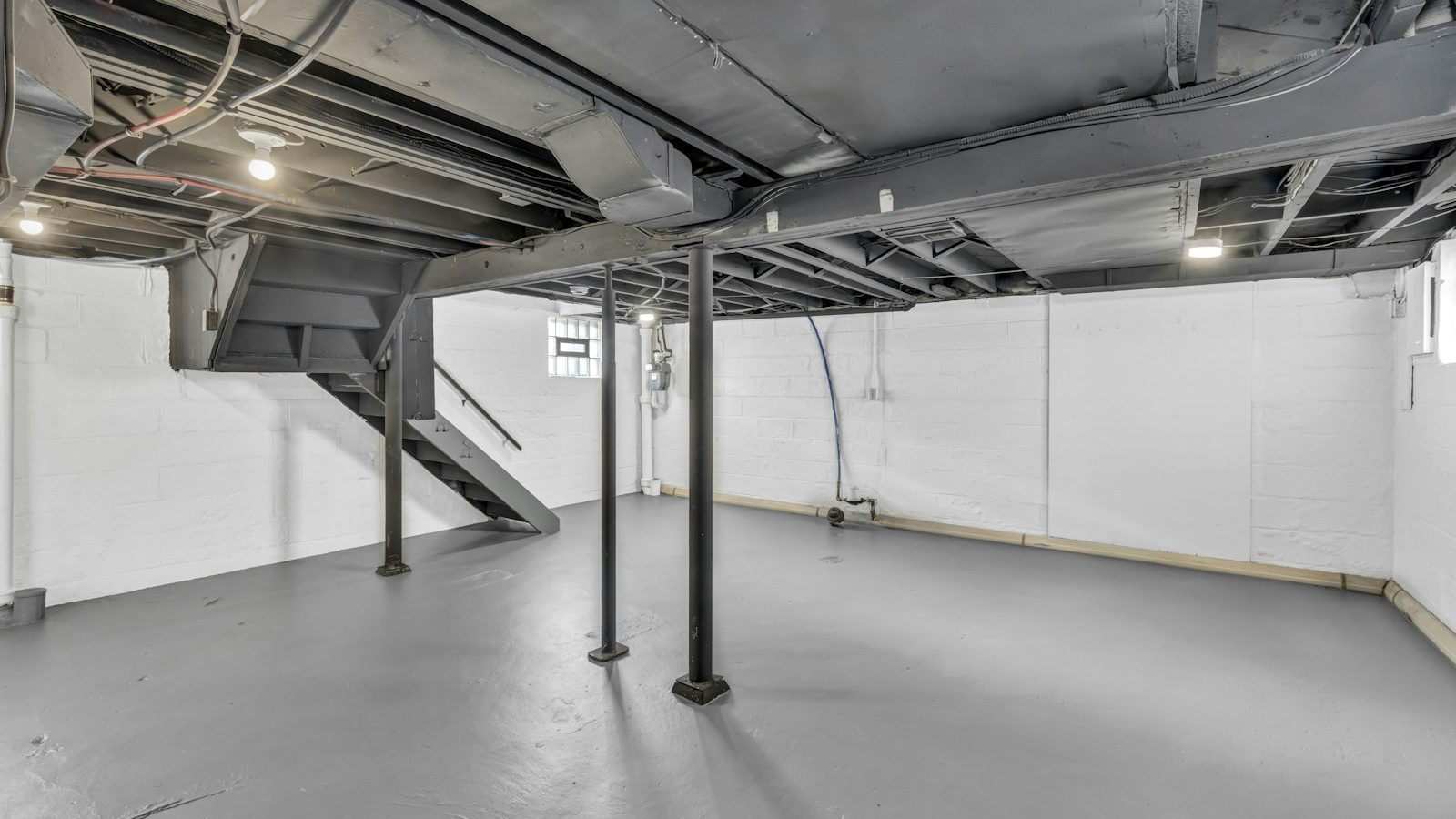
A heat pump water heater does what your fridge does, in reverse, and cuts the bill by hundreds a year
Instead of heating water with a hot element, a heat pump water heater pulls heat from the air around it and moves it into the tank. ENERGY STAR estimates a family of four can save about $550 a year compared with a standard electric water heater. The catch: it needs space, air and a spot that doesn’t get too cold.
A heat pump water heater (HPWH) is a tank water heater with a small heat pump on top. It uses a fraction of the electricity of a standard electric tank, typically paying back its higher price in a few years, as long as you have enough surrounding air and a space that stays roughly 40°F or warmer.
It cools and dehumidifies the room it’s in, which is a bonus in a hot garage or damp basement and a drawback in a small heated closet. New 120-volt plug-in models make it easier to swap one in without an electrical upgrade. 💡
Water heating is one of the biggest energy uses in most homes. The US Department of Energy says it accounts for nearly 20 percent of the average home’s energy use. For homes with a standard electric tank, that’s a lot of electricity going into a metal element that just gets hot.
A heat pump water heater, often shortened to HPWH or called a “hybrid” water heater, does the same job with far less electricity. It’s the same idea as the heat pump that heats and cools a house, just pointed at a tank of water. And it’s about to become much more common. Federal efficiency standards taking effect in 2029 will push most common-sized electric tank water heaters toward heat pump technology.
This guide explains how HPWHs work, what they really save, where they fit and where they don’t, and what to check before you buy one.
What’s in this guide
- How a heat pump water heater works
- What it actually saves
- HPWH vs. electric, gas and tankless
- Where it fits, and where it doesn’t
- Operating modes, and which to use
- Electrical, drainage and installation
- The 2029 federal standard
- Paying for one in 2026
- 6 mistakes buyers make
- Frequently asked questions
- Your final checklist
Alt text: “Heat pump water heater installed in a basement utility room with condensate drain”
How a heat pump water heater works
You already own something that works a lot like a heat pump water heater: your refrigerator. A fridge pulls heat out of the inside of the box and dumps it out the back into your kitchen. A heat pump water heater does the reverse. It pulls heat out of the air in the room and puts it into the water.
On top of the tank sits a small fan, a compressor and a coil. The fan draws room air across the coil, where refrigerant absorbs its heat. The compressor concentrates that heat and passes it into the water tank. The air comes back out cooler and drier.
Because it’s moving heat rather than making it, it’s much more efficient. Water heaters are rated with a number called Uniform Energy Factor, or UEF. A standard electric tank is rated a bit under 1. Heat pump models are commonly rated somewhere above 3, and some reach around 4. Our review of the Rheem ProTerra hybrid covers one model rated up to 4.07.
Almost every HPWH also has regular electric elements inside, just like a standard tank. They act as backup when you need a lot of hot water fast, or when the air around the tank gets too cold for the heat pump to work well. That’s why it’s often called a “hybrid” water heater. For more on the basic cycle, see our guide to how heat pumps work.
Water heaters are rated with Uniform Energy Factor, a different test from the SEER2 and HSPF2 ratings used for heating and cooling equipment. Compare water heaters with water heaters.
A standard electric water heater makes heat. A heat pump water heater moves it. Moving heat is simply cheaper.
— The whole idea in one line
What it actually saves
ENERGY STAR’s figures for a typical family of four, compared with a standard electric resistance water heater:
- About $550 a year in energy savings
- More than $5,600 over the water heater’s lifetime
- A payback of about 3 to 6 years on the extra upfront cost
Your savings will be bigger if you use a lot of hot water or pay high electricity rates, and smaller if you live alone or have cheap power. The biggest savings are when you’re replacing a standard electric tank. If you’re replacing a gas water heater, the savings depend on your local gas and electricity prices, so run the numbers for your area.
There’s a hidden bonus for some households. HPWHs cool and dehumidify the space around them. In a hot garage in a southern climate, or a damp basement, that’s genuinely useful. ENERGY STAR notes the water heater can help cool and dehumidify the space it’s installed in during hot, humid weather.
A heat pump water heater is a great partner for rooftop solar, especially if it can be scheduled to heat water during sunny hours. Our guide to pairing heat pumps with solar covers the timing tricks.
HPWH vs. electric, gas and tankless
| Type | Efficiency (typical UEF) | Running cost | Watch out for |
|---|---|---|---|
| Heat pump (hybrid) tank | ~3 to 4+ | Lowest for most electric homes | Space, air volume, cold rooms, condensate drain |
| Standard electric tank | Just under 1 | Highest | Being phased down for common sizes from 2029 |
| Gas tank | Well under 1 | Depends on gas prices | Venting, combustion safety |
| Gas tankless | Roughly 0.8 to 0.95+ | Moderate | Venting, gas line sizing, upfront cost |
| Electric tankless | Close to 1 | High | Very large electrical demand |
ENERGY STAR also points out that HPWHs hold their own on hot water availability. It lists typical first-hour delivery for heat pump models at roughly 60 to 100 gallons, compared with about 55 to 72 gallons for standard electric tanks and 60 to 85 for gas tanks. “First-hour rating” is how much hot water a tank can deliver in an hour starting full, and it’s the number to check for busy households.
Two 50-gallon tanks can deliver different amounts of hot water in a busy hour. Match the first-hour rating to your household’s morning rush.
Where it fits, and where it doesn’t
This is the most important part of the decision. A heat pump water heater needs air to pull heat from, and the room needs to be warm enough for it to work well.
Air volume. Requirements vary by model. ENERGY STAR guidance ranges from at least 450 cubic feet of surrounding air for some newer models, roughly an 8-by-8-foot utility closet, up to about 700 to 1,000 cubic feet recommended for others. That’s roughly a 10-by-10-foot room. Check the specific model’s installation manual. If the space is smaller, some models can work with a louvered door or ducting.
Temperature. ENERGY STAR recommends installing HPWHs in interior spaces that stay between about 40°F and 90°F year-round. Below that range, the heat pump can’t do much and the unit relies on its backup electric elements, which cuts your savings.
| Location | Good fit? | Why |
|---|---|---|
| Basement | Usually excellent | Plenty of air, stays above 40°F, bonus dehumidifying |
| Garage in a warm climate | Often excellent | Warm air to pull from, cools the garage in summer |
| Garage in a cold climate | Maybe | May drop below 40°F in winter; backup elements take over |
| Large utility room | Good | If it has enough air volume |
| Small closet in living space | Tricky | Too little air; needs louvered door or ducting; cools the house in winter |
| Unheated crawlspace or attic | Usually poor | Too cold in winter or too hot in summer, and hard to service |
Noise. HPWHs have a fan and compressor, so they’re not silent like a standard tank. Many owners compare the sound to a dehumidifier or a refrigerator. In a basement or garage, it rarely matters. Next to a bedroom, it might.
Height. The heat pump sits on top, so these units are often taller than a standard tank. Measure your ceiling height and doorways before you buy.
Write down the ceiling height, doorway widths and the distance to the nearest drain before you visit a store or call a plumber. It rules out models that won’t fit.
If the water heater is in a heated part of the house, it pulls heat from your living space all winter, which your home heating then has to replace. In a basement or garage that’s usually fine. In a closet off the hallway, factor it in.
Operating modes, and which to use
Most heat pump water heaters let you choose how they work. Names vary by brand, but you’ll typically see:
- Heat pump only (or efficiency mode): Uses only the heat pump. Cheapest to run, but slower to recover after heavy use.
- Hybrid (or energy saver): Uses the heat pump most of the time and brings in electric elements when demand is high. The best everyday setting for most households.
- Electric (or high demand): Runs like a standard electric tank. Handy for a houseful of guests, but you lose most of the savings.
- Vacation: Keeps the water from getting cold while you’re away and uses almost nothing.
ENERGY STAR notes that in colder environments with colder incoming water, HPWHs may need to temporarily go into backup electric mode. That’s normal. Start in hybrid mode and switch to heat pump only if you find you have enough hot water.
Some heat pump water heaters connect to Wi-Fi and let you schedule heating, or join a utility demand-response program. Ask whether your utility offers one.
Electrical, drainage and installation
ENERGY STAR puts typical unit prices at about $1,500 to $3,000, with installation often adding $1,000 to $3,000 depending on what needs to change. Here’s what drives that cost.
Electrical. Standard HPWHs need a dedicated 240-volt circuit, the same kind a standard electric tank uses. If you’re replacing an electric tank, that circuit is usually already there. Newer 120-volt plug-in models are now available in many markets and can plug into a standard outlet on a dedicated circuit. That can avoid an expensive panel upgrade, which is especially useful when replacing a gas water heater.
Condensate drain. Pulling moisture out of the air produces water, so the unit needs a drain line to a floor drain, a sink, or a small condensate pump. No nearby drain adds cost.
Replacing gas? You’ll need an electrical circuit that may not exist yet, and the old gas line and vent will need to be capped properly. That’s more work than a like-for-like electric swap.
When a gas water heater comes out, the gas line has to be capped and the vent dealt with correctly by a qualified professional. Never leave either open.
Timing. Most water heaters get replaced in an emergency when the old one leaks. Heat pump models aren’t always in stock at the local store. If your current tank is getting old, typically 8 to 12 years or more, plan ahead so you’re not forced into a standard tank on a Sunday night.
Alt text: “Control panel of a heat pump water heater showing heat pump, hybrid and electric modes”
The 2029 federal standard
In April 2024, the US Department of Energy finalized new efficiency standards for residential water heaters, with compliance required starting in 2029. The standards apply to the most common sizes of electric storage water heaters. DOE expects them to push more than half of newly made electric storage water heaters to use heat pump technology, compared with about 3 percent at the time of the announcement. DOE estimates households replacing common-sized electric tanks with heat pump models meeting the new standards would save about $1,800 on average over the life of the appliance.
What that means for you: you can still buy a standard electric tank today. But heat pump models are the direction the market is heading, and buying one now gets you the savings years earlier.
Paying for one in 2026
You’ll still see ENERGY STAR and manufacturer pages mentioning a 30 percent federal tax credit for heat pump water heaters. That credit, Section 25C, ended for equipment placed in service after December 31, 2025, so it doesn’t apply to a 2026 installation. Our explainer on what replaced the federal credit covers the details.
What may still be available:
- Utility rebates. ENERGY STAR notes utility and municipal incentives typically range from about $300 to $1,000. Some utilities go higher, and some offer instant discounts at participating retailers.
- Federally funded, state-run rebates (HEEHR). The statute allows up to $1,750 toward a heat pump water heater for income-qualified households. Under 2026 guidance, the program focuses on upgrading electric equipment rather than switching from gas, and availability depends on your state.
- State programs. Some states offer their own rebates or financing.
Our heat pump rebates guide explains how to find programs in your area, and ENERGY STAR’s rebate finder lets you search by ZIP code.
A few utilities offer instant discounts on heat pump water heaters at participating retailers, while mail-in rebates need your receipt and model number. Our guide to claiming a heat pump rebate covers the paperwork.
6 mistakes buyers make
❌ Mistake 1: Putting it in a tiny closet
Without enough air, the heat pump struggles and the backup elements take over.
❌ Mistake 2: Installing it somewhere that freezes
A garage or crawlspace that drops below about 40°F in winter cuts the heat pump’s contribution sharply.
❌ Mistake 3: Forgetting the condensate drain
The unit produces water, and without a drain you get puddles.
❌ Mistake 4: Leaving it in electric mode
Some units get switched to electric mode for a busy weekend and never switched back.
❌ Mistake 5: Waiting until the old tank fails
Emergency replacements often mean taking whatever standard tank is in stock.
❌ Mistake 6: Budgeting for the old federal credit
Plenty of pages still quote the 30 percent credit.
Frequently asked questions
How much does a heat pump water heater save?
ENERGY STAR estimates a family of four can save about $550 a year compared with a standard electric water heater, and more than $5,600 over the unit’s lifetime, with a typical payback of 3 to 6 years. Savings depend on how much hot water you use and your electricity rate.
Do heat pump water heaters work in cold climates?
Yes, as long as they’re installed indoors in a space that stays roughly 40°F or warmer, like a basement. The outdoor climate matters less than the temperature of the room the unit sits in.
How much space does a heat pump water heater need?
It depends on the model. Some newer units need at least 450 cubic feet of surrounding air, while ENERGY STAR guidance for others recommends around 700 to 1,000 cubic feet, roughly a 10-by-10-foot room. Check the installation manual, and consider a louvered door or ducting for smaller spaces.
Are heat pump water heaters noisy?
They make a steady hum from the fan and compressor, which many owners compare to a dehumidifier or refrigerator. In a basement or garage, it’s rarely an issue. Avoid installing one right next to a bedroom.
Can I plug a heat pump water heater into a regular outlet?
Some newer models can. 120-volt plug-in heat pump water heaters are now available in many markets and can avoid an electrical panel upgrade. Standard models need a dedicated 240-volt circuit. Check the model’s electrical requirements before buying.
Is there still a tax credit for heat pump water heaters?
No. The federal 25C credit ended for equipment placed in service after December 31, 2025. Utility rebates, typically $300 to $1,000 according to ENERGY STAR, state programs and the income-limited HEEHR rebates may still help.
Your final checklist
✅ Your heat pump water heater checklist
- Check your current tank’s age — plan ahead if it’s 8 to 12+ years old
- Measure the space — air volume, ceiling height and doorway width
- Check the temperature — the room should stay roughly 40°F to 90°F
- Plan the condensate drain — floor drain, sink or pump
- Check the electrical — 240V circuit, or consider a 120V plug-in model
- Compare first-hour ratings — especially for busy households
- Think about noise — keep it away from bedrooms
- Find rebates before buying — utility, state and HEEHR programs
- Budget without the federal credit — it ended after 2025
- Set it to hybrid mode — and switch back after any high-demand weekend
See how one popular model performs in our Rheem ProTerra review. Considering a heat pump for heating and cooling too? Start with is a heat pump right for my home?
Sources

Heat Pump Reviews Editorial Team
Our editors research heat pumps full time: manufacturer specifications, AHRI and ENERGY STAR listings, published cold-climate performance data, warranty terms, installer feedback and owner reviews. We do not accept payment for placement, and every rating follows our published methodology.